48 Amp Home EV Charger: A Complete Guide for Faster Residential Charging
As electric vehicles become more common in households around the world, homeowners are searching for charging solutions that are faster, smarter, and more convenient than standard wall outlets. While Level 1 chargers remain useful for light daily driving, many EV owners eventually upgrade to Level 2 charging systems for shorter charging times and improved efficiency. Among the most popular high-performance residential options is the 48 amp home EV charger.
A 48 amp charger offers an excellent balance between speed and practicality. It delivers significantly more power than entry-level chargers while remaining suitable for residential use when properly installed. For drivers with longer commutes, larger battery vehicles, or multiple EVs in the household, a 48 amp charging station can transform the ownership experience.
This type of charger is typically hardwired into the home's electrical system and installed on a dedicated 60-amp circuit. Because it can provide up to approximately 11.5 kW of charging power, it is capable of adding substantial driving range every hour. Many homeowners choose 48 amp chargers because they reduce overnight charging time and help ensure the vehicle is ready whenever needed.
This article explores how a 48 amp home EV charger works, installation requirements, benefits, limitations, costs, smart features, safety considerations, and how to choose the right unit for your home.
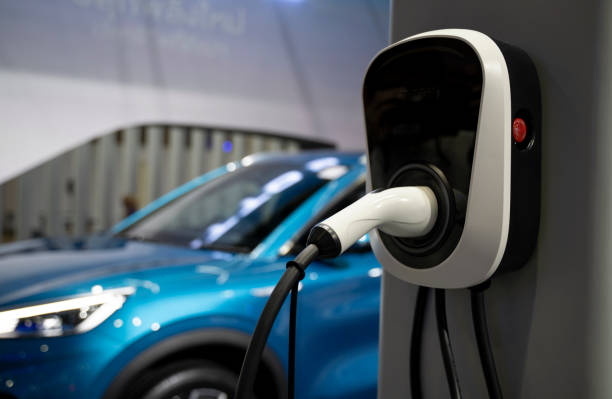
A 48 amp EV charger is a Level 2 charging station designed for residential or light commercial use. It uses a 240-volt electrical supply and delivers up to 48 amps of continuous current to the vehicle.
Compared with Level 1 charging from a standard household outlet, which can take many hours or even days for a full recharge, a 48 amp charger dramatically reduces charging time.
A properly installed 48 amp charger can provide:
- Up to 11.5 kW of charging power
- Approximately 35 to 44 miles of range per hour of charging (vehicle dependent)
- Full overnight charging for many EVs
- Dedicated hardwired installation
- Reliable daily charging for high-mileage drivers
Charging performance varies depending on battery size, vehicle efficiency, onboard charger capacity, weather conditions, and battery temperature.
As EV battery capacities grow larger, many drivers need faster home charging than lower-powered Level 2 units can provide.
For example:
- A compact EV with a smaller battery may charge sufficiently on 16A or 32A charging
- A midsize EV may benefit from 40A charging
- A large SUV, truck, or long-range EV often benefits from 48A charging
This makes 48 amp chargers highly attractive for households that want faster recovery times without needing expensive commercial DC fast charging.
A home 48 amp charger supplies alternating current from the home electrical system to the vehicle. The EV's onboard charger then converts AC power into DC power for battery storage.
The charging station manages communication and safety functions such as:
- Confirming connection with the vehicle
- Monitoring temperature
- Controlling current flow
- Ground fault protection
- Stopping charging when full
- Scheduling charging sessions
Because EV charging often lasts several hours continuously, quality equipment and professional installation are essential.
Unlike portable plug-in chargers that use a receptacle, most 48 amp home chargers require hardwired installation.
This means the charger is permanently connected to the home's electrical system rather than plugged into an outlet.
Many electrical codes limit plug-in receptacles to lower continuous loads. Since 48 amps is a high continuous load, hardwiring is often the safest and code-compliant solution.
Hardwired installation offers several benefits:
- Improved electrical reliability
- Reduced overheating risk at plugs
- Better weather resistance
- Cleaner wall-mounted appearance
- Higher allowable charging output
- More secure long-term connection
Electrical safety codes generally require continuous loads to use only 80% of circuit capacity. Because EV charging is considered a continuous load, a 48 amp charger usually requires a 60 amp circuit.
Standard Setup Includes:
Double-pole 60 amp breaker
- Proper conductor sizing
- Dedicated circuit
- Grounding system
- Approved disconnects where required
- Code-compliant mounting location
Always follow local regulations and national electrical codes.
Because of the high current involved, thicker copper wiring is typically required.
Many installations use:
- 6-gauge copper wire (common in many cases)
- Alternative sizing depending on distance, conduit type, insulation rating, and local code
Longer wire runs may require upsizing conductors to minimize voltage drop and maintain efficiency.
This is why a licensed electrician should evaluate the full installation rather than relying on a one-size-fits-all approach.
Although some homeowners have electrical experience, installing a 48 amp charger is not a casual DIY project.
Level 2 charging involves:
- High continuous current
- Dedicated breaker panel work
- Load calculations
- Permit requirements
- Safety inspections
- Grounding compliance
- Outdoor weatherproofing when applicable
Improper installation can create serious risks such as overheating, nuisance breaker trips, equipment damage, or fire hazards.
A certified electrician ensures:
- Correct breaker sizing
- Safe conductor installation
- Proper torque on terminals
- Compliance with code
- Reliable long-term operation
Professional installation also protects warranty coverage for many charger brands.
The biggest advantage is speed. A 48 amp charger can replenish energy far faster than Level 1 charging.
Instead of waiting all day, many EVs can fully recharge overnight.
Drivers who travel significant daily mileage can recover range quickly after returning home.
SUVs, trucks, and long-range vehicles often have bigger battery packs. Higher charging power helps manage these capacities efficiently.
As battery sizes increase, a higher-capacity charger can remain useful for future vehicles.
You spend less time worrying about charging and more time enjoying vehicle availability.
Not every household needs maximum charging speed.
If you drive only 20 to 30 miles daily, a lower-output charger may already meet your needs.
Examples:
- 16A charger for short commutes
- 24A or 32A charger for average households
- 40A charger for moderate/high usage
- 48A charger for maximum practical residential speed
Choosing the right charger depends on real lifestyle needs rather than simply buying the highest number.
Before buying a 48 amp charger, confirm your EV can actually accept 48 amps AC charging.
Some vehicles have onboard chargers limited to:
- 16A
- 32A
- 40A
- 48A
- Higher in some premium models
If your vehicle accepts only 32 amps, a 48 amp station may still work, but the car will charge at its own maximum rate.
This means compatibility checks are essential.
Another major consideration is whether your main service panel can support a new 60 amp circuit.
Homes with:
- 100 amp service
- Multiple HVAC systems
- Electric ovens
- Water heaters
- Dryers
- Solar backfeed systems
may need a professional load calculation before installation.
Possible solutions include:
- Load management devices
- Panel upgrades
- Subpanel expansion
- Smart chargers with adjustable amperage
Many modern chargers allow users to set lower charging currents such as:
- 16A
- 24A
- 32A
- 40A
- 48A
This flexibility is valuable because it allows:
- Matching available panel capacity
- Reducing electricity demand
- Managing shared circuits
- Future upgrades later
Adjustable chargers provide long-term versatility.
Today's premium home chargers often include advanced technology.
Common Features
- Wi-Fi connectivity
- Mobile app control
- Charging schedules
- Energy tracking
- Utility rate integration
- Remote start/stop
- Firmware updates
- Voice assistant compatibility
- Access control
- Solar charging integration
These functions help reduce charging costs and improve convenience.
Electricity prices in many areas vary by time of day. A smart charger can automatically charge during cheaper nighttime hours.
Benefits include:
- Lower monthly utility bills
- Reduced grid stress
- Better energy efficiency
- Cleaner charging if renewables dominate overnight supply
This can create substantial savings over time.
A 48 amp charger can often be installed indoors or outdoors depending on enclosure rating.
Ideal for:
- Garages
- Covered parking
- Protected walls
Requires:
- Weatherproof enclosure
- UV-resistant cable
- Proper mounting height
- Drainage considerations
- GFCI/code compliance
Always verify environmental ratings before outdoor use.
Many buyers overlook charging cable length.
A cable that is too short can become frustrating daily.
Consider:
- Vehicle parking orientation
- Garage layout
- Charge port location on vehicle
- Future vehicle changes
Choosing adequate cable reach improves convenience significantly.
Total cost depends on:
- Charger brand
- Wire run distance
- Electrical panel location
- Permit fees
- Panel upgrades
- Wall mounting complexity
- Indoor/outdoor placement
Typical Cost Components
- Charger hardware
- Breaker and materials
- Wiring and conduit
- Labor
- Inspection fees
Homes with panels near the garage usually cost less than detached garages or long trenching projects.
To ensure safe long-term charging:
- Use professional installation
- Inspect cables regularly
- Keep connectors clean and dry
- Do not use adapters unless approved
- Avoid crushing charging cables
- Keep ventilation around equipment
- Update firmware if applicable
- Follow manufacturer instructions
Safe charging starts with quality equipment and proper setup.
32 Amp Charger
Good for many average households and lower installation costs.
40 Amp Charger
Strong middle-ground option with faster charging.
48 Amp Charger
Best for homeowners wanting maximum common residential performance.
80 Amp Chargers
Less common, may require more expensive infrastructure and vehicle support.
A 48 amp charger is ideal for:
- Long-distance commuters
- Multi-EV households
- Large battery vehicle owners
- Drivers wanting fast overnight charging
- Homes preparing for future EV upgrades
- Users with favorable electrical capacity
You may not need 48 amps if:
- Daily driving is low
- Vehicle battery is small
- Electrical panel capacity is limited
- Installation cost is high
- Lower current charging already meets needs
Right-sizing your charger can save money.
Residential EV charging is evolving quickly.
Future trends include:
- Dynamic load balancing
- Solar-integrated charging
- Battery storage pairing
- Vehicle-to-home power export
- AI charging optimization
- Smarter utility demand response systems
A quality 48 amp charger can be part of this connected energy future.
Before installation, build a charging plan based on:
- Daily mileage
- Vehicle battery size
- Number of EVs in household
- Panel capacity
- Electricity rates
- Future home electrification plans
- Solar or battery additions
This prevents overspending and ensures long-term satisfaction.
A 48 amp home EV charger is one of the best solutions for drivers who want fast, reliable, and future-ready residential charging. With up to 11.5 kW of power, it can add meaningful driving range every hour and recharge many EVs overnight.
Because it requires hardwired installation, a dedicated 60 amp circuit, and proper conductor sizing, professional installation is strongly recommended. When correctly installed, a 48 amp charger offers excellent convenience, improved daily readiness, and strong long-term value.
For homeowners with larger EV batteries, long commutes, or plans to expand electric transportation, upgrading to a 48 amp charger can be a smart investment that makes EV ownership easier, faster, and more enjoyable.