
EV Charging Cable
Charging cables are essential components used to connect electric vehicle (EV) charging devices to the charging infrastructure, allowing electricity to be transmitted to the vehicle. These cables typically include various signal lines, control lines, and power supply auxiliary lines to ensure that the entire charging process is accurately controlled and operates safely without errors. Charging cables are commonly used in locations such as charging stations, parking lots, hotels, residential districts, and garages. Additionally, portable charging cables can be conveniently stored inside the vehicle for easy access.
As a leading manufacturer in China, we offer a range of IEC 62196 EV charging cables at wholesale prices, ensuring affordability without compromising on quality. Our products are designed for safety with an IP55 insulation rating, making them suitable for all environments where it might be exposed to dust and water spray. We specialize in OEM and ODM services, providing the flexibility to customize every detail to meet your specific needs. With our efficient manufacturing process, we keep production costs low, passing the savings on to you.
EV Charging Cable Product List
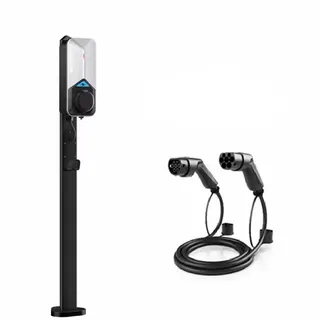
50A EV Charging Cable, Single-Phase, Type 2, 240V, IP55
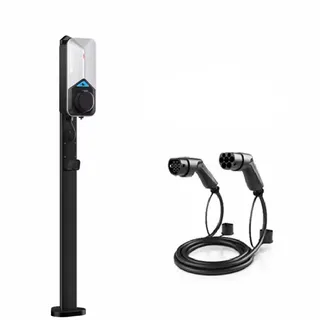
IEC 62196 EV Charging Cable, 48A, 240V, Single-Phase, Type 2
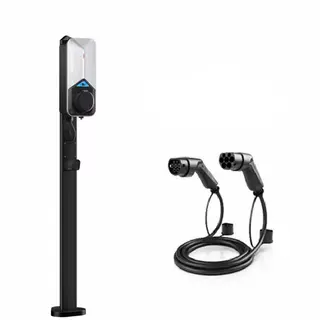
EV Charging Cable, Single-Phase, 40A, 240V, IP55, IEC 62196
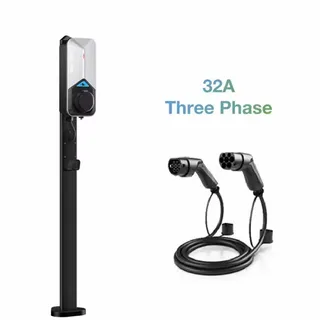
3 Phase Portable EV Charging Cable, IEC 62196 Plugs, Type 2
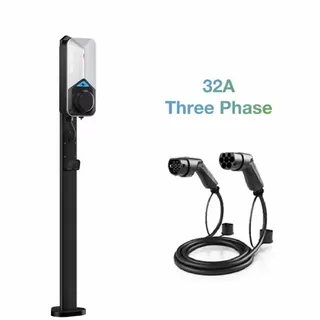
32A Portable EV Charging Cable, 3 Phase, 400V, Type 2, 5M
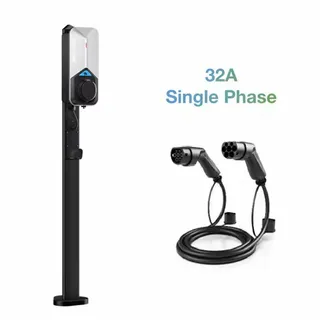
Single Phase EV Charging Cable, 32A, 250V, Customized Length
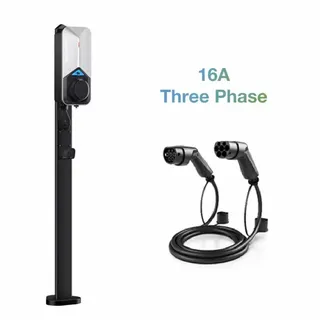
3 Phase Portable EV Charging Cable, Type 2, 16A, 400V, IP55
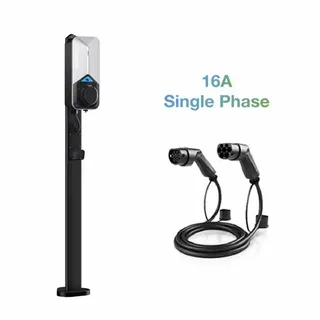
Portable EV Charging Cable, 5M, Type 2 to Type 2, 16A, 250V
An EV charging cable is a crucial component in the process of charging an electric vehicle (EV). These cables are specifically designed to safely transfer power from a power source, such as a wall outlet or charging station, to your EV. Charging cables ensure the safe and efficient delivery of electricity to the vehicle’s battery. Some charging stations come with cables already attached (referred to as "tethered charging stations"), while others require you to bring your own charging cable.
While there are several types of charging cables available on the market, they are typically categorized by the plug type and the charging mode. These distinctions help ensure compatibility with your vehicle and charging infrastructure.
The Type 1 plug is a single-phase plug commonly used for charging at power levels up to 7.4 kW (230 V, 32 A). This plug is primarily found in electric vehicles from the Asian market, such as early models of Nissan, Mitsubishi, and others. Type 1 plugs are less common in Europe, and as a result, there are fewer public charging stations equipped with this type of plug. Typically, Type 1 cables are used for home charging, but their use is declining in favor of the more universal Type 2.
The Type 2 plug is the most widely used charging plug, especially in Europe. It supports three-phase charging, allowing for power levels of up to 22 kW in private settings and up to 43 kW at public charging stations (400 V, 63 A, AC). Most public charging stations feature Type 2 sockets, and it is compatible with both Mode 3 charging cables and vehicles using either Type 1 or Type 2 plugs. Type 2 plugs are commonly used in most new electric vehicles, offering faster charging times and a more widespread availability of charging stations.
The Combined Charging System (CCS) is an advanced plug designed to handle both AC and DC fast charging, allowing for faster charging times. CCS plugs are often used for public fast-charging stations, enabling power delivery at rates of up to 350 kW. This system integrates the Type 2 plug with two additional DC pins, allowing for both level 2 and level 3 fast charging.
The CHAdeMO plug is a DC fast charging system, primarily used by Japanese car manufacturers, such as Nissan and Mitsubishi. This system allows for rapid charging at stations equipped with CHAdeMO connectors, delivering up to 62.5 kW of charging power. However, the use of CHAdeMO is becoming less common as CCS has gained popularity due to its higher charging speeds and compatibility across a broader range of vehicles.
Tesla's proprietary Supercharger network uses a modified Type 2 Mennekes plug to deliver fast charging to Tesla vehicles. The Tesla Supercharger network can recharge Tesla vehicles to 80% capacity in around 30 minutes, making it one of the fastest EV charging methods available. Currently, Tesla Superchargers are only compatible with Tesla vehicles, though the company has announced future plans to open up its charging network to other EV manufacturers.
For most modern electric vehicles, Type 2 charging cables are the standard. This plug is compatible with the majority of new EV models, including those from European and American manufacturers. However, some older Asian electric vehicle models still use the Type 1 plug. It’s important to select an EV charging cable with amp and kilowatt ratings that match or exceed the capacity of your vehicle's onboard charger. Using an undersized cable may result in slower charging times or potential safety issues.
EV charging cables are essential for efficient and reliable charging. Key advantages include:
Designed to work seamlessly with various charging stations, these cables ensure wide-ranging adaptability, whether at home, work, or public facilities.
Supporting high power capacities, they enable faster charging for EVs, reducing wait times and enhancing convenience.
Open-ended designs allow for customization to suit specific requirements, making them ideal for diverse EV setups or integration with different charging systems.
Built to withstand extreme weather conditions, these cables deliver reliable performance in both indoor and outdoor environments, ensuring durability and longevity.
EV charging cables come in four different modes, each designed for a specific type of charging. It’s important to understand the distinction between these modes as they do not directly correlate to the “levels” of charging, which refer to the speed or capacity at which the vehicle is charged.
Mode 1 cables are typically used for charging from a standard household outlet (110V in most regions). These cables are typically limited to low charging speeds and are not commonly used for EVs anymore due to safety concerns.
Mode 2 cables allow for charging from a standard outlet but include an additional control box for safety and monitoring. These cables are often used for home charging when a dedicated EV charging circuit is unavailable.
Mode 3 cables are used for public charging stations and often come with a Type 2 or CCS plug. These cables are designed for higher power delivery and safety during fast charging.
Mode 4 cables are reserved for DC fast charging stations, allowing for the fastest charge times. These cables typically use either CCS or CHAdeMO plugs, and the charging power can exceed 150 kW at some stations.
Choosing the right EV charging cable depends on several factors, including your vehicle’s charging plug type, the charging station’s specifications, and the charging speed you require. Whether you're using a Type 1, Type 2, CCS, or CHAdeMO cable, understanding these differences is crucial for ensuring efficient and safe charging. For most new electric vehicles, the Type 2 cable is the standard, but it’s always important to verify compatibility with your specific vehicle model. As the EV market continues to grow, charging infrastructure will evolve, providing more efficient and accessible charging options for electric vehicle owners worldwide.