
Advantages of Floor Mounted AC EV Charger: A Key Solution for Modern EV Charging Infrastructure
As the global electric vehicle (EV) market continues to expand rapidly, the demand for reliable, scalable, and efficient charging infrastructure has become more critical than ever. While DC fast charging stations often attract the most attention due to their high power output and speed, AC EV chargers—especially floor mounted AC EV chargers—play an equally important role in supporting daily charging needs across residential, commercial, and public environments.
Floor mounted AC EV chargers are widely deployed in parking lots, commercial buildings, shopping centers, hotels, workplaces, and residential complexes. Their freestanding structure, flexible installation, and cost-effectiveness make them one of the most practical solutions for large-scale EV charging deployment.
This article explores the key advantages of floor mounted AC EV chargers, their applications, technical benefits, and their growing importance in the future of EV infrastructure development.
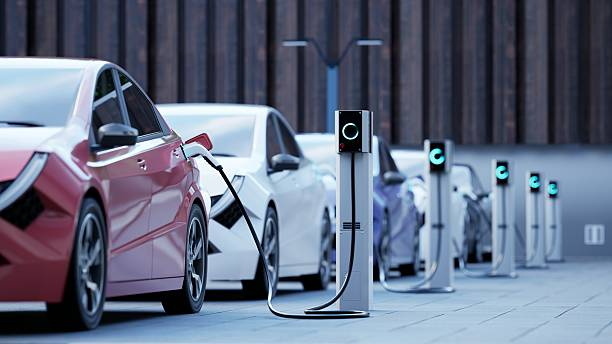
A floor mounted AC EV charger is a standalone charging unit installed directly on the ground or on a dedicated pedestal. Unlike wall-mounted chargers, which require structural support from a building wall, floor mounted units are independent and can be installed almost anywhere with proper electrical access.
These chargers typically operate on AC (alternating current) power and are commonly available in power ratings such as 7kW, 11kW, and 22kW. They are ideal for slow to medium-speed charging, making them suitable for long-duration parking scenarios such as workplace charging or overnight charging.
Key structural components usually include:
- Charging cabinet (metal or stainless steel enclosure)
- Control board and smart management system
- Charging gun (Type 1 or Type 2 connector)
- Protection systems (overvoltage, leakage, short circuit)
- User interface (LCD screen, RFID, or mobile app connectivity)
- Floor-mounted base or pedestal structure
One of the biggest advantages of floor mounted AC EV chargers is their installation flexibility.
Unlike wall-mounted chargers, which depend on building structures, floor mounted chargers can be installed in:
- Outdoor parking lots
- Underground garages
- Commercial complexes
- Highway service areas
- Industrial parks
- Residential communities
This flexibility allows operators to design charging layouts based on traffic flow, parking density, and electrical access, rather than structural limitations.
In large parking environments, multiple floor mounted chargers can be arranged in rows or clusters, enabling scalable deployment for growing EV demand.
Floor mounted AC chargers are particularly well-suited for public and semi-public charging environments, where durability, accessibility, and visibility are important.
Typical applications include:
- Shopping malls
- Hotels and resorts
- Office buildings
- Airports and train stations
- Fleet parking areas
Their freestanding structure makes them highly visible and easy to access for users, improving customer experience and encouraging EV adoption.
In commercial environments, they also serve as a value-added service, attracting EV-driving customers who prefer locations where they can charge while shopping, working, or relaxing.
Compared with DC fast charging systems, floor mounted AC EV chargers are significantly more cost-efficient, making them ideal for large-scale deployment.
Cost advantages include:
- Lower equipment cost compared to DC chargers
- Reduced grid upgrade requirements
- Simpler installation process
- Lower maintenance costs
Because AC chargers typically operate at lower power levels, they place less stress on the electrical grid, reducing the need for expensive transformer upgrades or high-capacity power lines.
This makes floor mounted AC chargers an attractive option for budget-conscious EV infrastructure expansion, especially in developing markets or large parking facilities.
Another key advantage is scalability. Floor mounted AC EV chargers can be deployed in a modular manner, allowing operators to expand charging capacity gradually based on demand.
For example:
- Phase 1: Install 10 chargers
- Phase 2: Expand to 30 chargers
- Phase 3: Scale to 100+ chargers
This phased approach helps reduce upfront investment while ensuring infrastructure grows in line with EV adoption rates.
In addition, smart energy management systems can be integrated to distribute power efficiently across multiple chargers, preventing overload and optimizing energy usage.
Most floor mounted AC EV chargers are designed for outdoor installation, meaning they are built with robust enclosures that meet high protection standards such as IP54, IP65, or higher.
Key durability features include:
- Waterproof and dustproof design
- Anti-corrosion coatings
- Impact-resistant housing
- Temperature tolerance for extreme weather
These features ensure reliable operation in various environments, including rain, snow, heat, and dust-heavy industrial zones.
For long-term infrastructure investments, durability is critical to minimize downtime and maintenance costs.
Modern floor mounted AC EV chargers are not just power supply units—they are intelligent energy devices equipped with smart charging technology.
Common smart features include:
- Mobile app control
- RFID authentication
- Remote monitoring and diagnostics
- Load balancing
- Energy usage tracking
- OCPP (Open Charge Point Protocol) compatibility
These features allow operators to manage charging networks efficiently, monitor energy consumption, and provide users with seamless digital experiences.
Smart charging also enables integration with renewable energy systems and energy storage solutions, improving sustainability and grid efficiency.
Floor mounted AC chargers are designed with user convenience in mind. Their ergonomic structure ensures that charging ports are easily accessible from multiple parking positions.
User-friendly benefits include:
- Clear interface screens
- Simple plug-and-charge operation
- RFID or app-based activation
- LED indicators for charging status
- Accessible cable length for different vehicle types
In public environments, ease of use plays a major role in customer satisfaction. A well-designed floor mounted charging station enhances the overall EV ownership experience.
Delivery companies, logistics providers, and corporate fleets increasingly rely on AC charging infrastructure for overnight or shift-based charging.
Floor mounted AC EV chargers are particularly useful for:
- Depot charging stations
- Last-mile delivery fleets
- Corporate EV parking lots
- Ride-hailing vehicle hubs
Fleet operators benefit from controlled charging schedules, lower electricity costs, and efficient space utilization.
When combined with smart load management systems, multiple vehicles can be charged simultaneously without exceeding grid capacity.
Safety is a critical aspect of EV charging infrastructure. Floor mounted AC EV chargers are equipped with multiple protection systems, including:
- Overcurrent protection
- Overvoltage and undervoltage protection
- Leakage current protection
- Ground fault detection
- Emergency stop functions
These features ensure safe operation for both users and vehicles, minimizing electrical risks and equipment damage.
Advanced models also include temperature monitoring and automatic shutdown systems, further improving operational safety.
As the energy industry shifts toward sustainability, EV charging infrastructure is increasingly integrated with renewable energy sources such as solar and wind power.
Floor mounted AC EV chargers can be combined with:
- Solar panel systems
- Energy storage batteries
- Smart grid systems
This integration allows charging stations to reduce dependence on fossil-fuel-generated electricity and lower operational carbon emissions.
In commercial environments, renewable integration also helps companies meet ESG (Environmental, Social, and Governance) goals.
Another significant advantage of floor mounted AC EV chargers is their low maintenance demand, which makes them highly suitable for large-scale and long-term deployment in commercial, public, and fleet charging environments.
Compared with DC fast chargers, floor mounted AC EV chargers have a simpler internal structure and operate at lower power levels. As a result, they generate less heat during operation, which helps reduce overall thermal stress on internal electrical components. This lower thermal load significantly extends the service life of key parts and minimizes the risk of overheating-related failures.
In addition, the reduced complexity of power conversion components leads to less mechanical and electrical wear over time, improving long-term system stability. Since AC chargers do not require heavy-duty cooling systems like liquid cooling or advanced forced-air systems used in high-power DC chargers, they also benefit from fewer cooling system requirements, further reducing potential maintenance points.
Routine maintenance for floor mounted AC EV chargers is generally straightforward and cost-effective. It typically includes periodic software updates, charging cable inspections, connector checks, and external enclosure cleaning to ensure safe and efficient operation.
Overall, these characteristics contribute to lower lifecycle operating costs, improved reliability, and reduced downtime, making floor mounted AC EV chargers an economical and dependable choice for EV infrastructure operators.
The global demand for AC EV charging infrastructure continues to grow rapidly due to:
- Increasing EV adoption rates
- Government incentives for charging networks
- Expansion of public charging infrastructure
- Growth in commercial EV fleets
Floor mounted AC chargers are expected to remain a core segment of the EV charging market, especially in urban and suburban environments where long-duration parking is common.
Their balance of affordability, scalability, and functionality makes them a long-term solution for mass EV adoption.
Floor mounted AC EV chargers play a crucial role in the development of modern electric vehicle infrastructure. Their flexible installation, cost efficiency, scalability, durability, and smart functionality make them ideal for a wide range of applications, from public parking areas to commercial fleets and residential complexes.
While DC fast chargers dominate headlines due to their speed, AC floor mounted chargers provide the backbone of everyday EV charging—supporting long-duration, stable, and cost-effective energy delivery.
As EV adoption continues to accelerate globally, floor mounted AC EV chargers will remain an essential component of the charging ecosystem, enabling cities, businesses, and fleet operators to build reliable and future-ready infrastructure.
