
Can I Install a Home EV Charging Station in My Home?
As electric vehicles (EVs) continue to grow in popularity, more homeowners are exploring the convenience and efficiency of installing a home EV charging station. Unlike public charging stations, a home setup provides the comfort of charging your vehicle overnight, avoiding waiting in queues, and potentially reducing electricity costs by taking advantage of off-peak rates.
However, installing a home EV charger is not simply a matter of plugging in a device. Homeowners must consider electrical capacity, safety regulations, permitting, installation costs, and future-proofing their infrastructure. Understanding these factors before starting the installation process ensures a smooth, safe, and cost-effective experience.
This guide provides a comprehensive overview of what it takes to install a home EV charging station, including permit requirements, cost considerations, technical requirements, safety tips, and emerging trends in home EV charging.
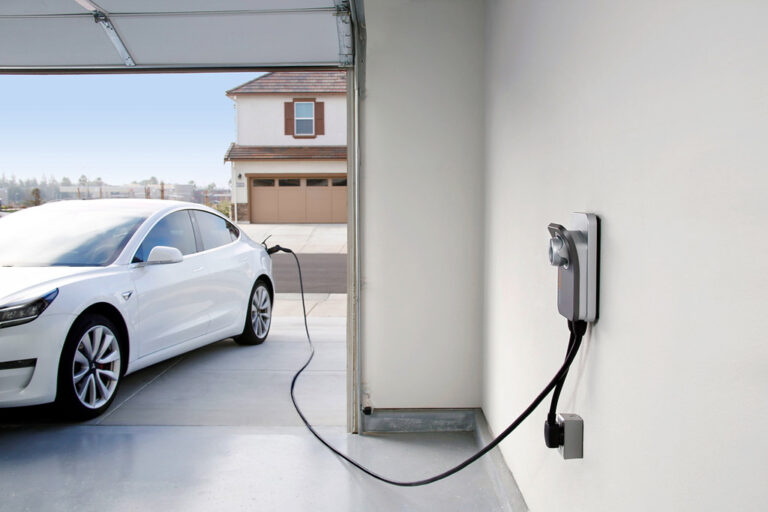
Most jurisdictions require an electrical permit for installing a new EV charger circuit at home. These permits exist to ensure that all electrical installations comply with the National Electrical Code (NEC) and local building codes, which aim to prevent electrical hazards such as overheating, short circuits, or fire risks.
While some locations may allow installation using an existing compatible 240V outlet, this is often limited to certain configurations and older homes. Homeowners must verify local rules because compliance requirements can differ significantly depending on state, county, or city regulations.
The typical permitting process includes the following steps:
- Application Submission: Homeowners or their electricians submit detailed plans describing the proposed installation. This includes the type of charger, wiring route, and panel specifications.
- Approval: The local authority reviews the application to ensure compliance with electrical codes and safety standards.
- Installation: A licensed electrician completes the installation according to approved plans.
- Inspection: After installation, a municipal or state inspector evaluates the work to confirm compliance. Only after passing inspection is the system officially approved.
This structured approach mitigates risks, ensures insurance coverage, and documents compliance for future home sales.
Obtaining a permit for your home EV charger installation offers multiple advantages:
- Insurance Coverage: Most homeowner insurance policies require compliance with building codes. A permitted installation ensures that insurance coverage remains valid in case of electrical incidents.
- Resale Value: A permitted installation adds verified value to your home. Future buyers can be assured that your EV infrastructure was professionally installed and meets local codes.
- Safety: A permitted installation reduces risks such as electrical fires, damage to home wiring, or malfunctioning chargers.
- Legal Compliance: Avoid potential fines, penalties, or mandatory retrofits that can result from non-permitted installations.
Skipping a permit may seem convenient but carries significant safety and legal risks. Licensed electricians can help navigate this process efficiently.
Installing a home EV charging station involves several cost components. Understanding each component helps homeowners plan an effective budget.
The primary hardware cost typically ranges from $500 to $1,000 for Level 2 chargers, which are the standard for home use. Factors influencing price include:
- Brand and Reliability: Reputable brands often provide better warranties, performance, and safety certifications.
- Power Capacity: Chargers with higher amperage provide faster charging but may require electrical upgrades.
- Smart Features: App connectivity, energy monitoring, load balancing, and Wi-Fi integration can increase costs.
It's important to remember that the cheapest hardware isn't always the best long-term investment. Reliability, efficiency, and durability should guide your selection.
Many homes may require panel upgrades or new circuits to accommodate EV chargers. Typical costs include:
- Panel Upgrades: $550–$3,000 depending on existing capacity, labor, and materials.
- Standard Panels: $250–$450 for the panel itself.
Dedicated Circuit Installation: Ensures safety and code compliance.
Homes with older electrical systems may need significant upgrades to handle the additional load safely. Planning for future needs, such as multiple EVs or solar integration, can minimize repeated costs.
For chargers exceeding 60 amps, the NEC mandates an emergency shut-off switch. Even for lower-amperage chargers, installing a shut-off switch is highly recommended. Typical costs for this feature are under $200, providing an essential layer of safety for maintenance or emergencies.
Other optional enhancements include:
- Surge Protection: Protects both the charger and the home from electrical surges.
- Circuit Monitoring: Alerts homeowners to unusual power usage or faults.
- Load Management Systems: Especially valuable for households with solar panels or multiple EVs.
These upgrades enhance safety, reliability, and efficiency while extending the life of both your electrical system and your EV charger.
Selecting an ideal location for your EV charger is crucial for convenience, safety, and longevity.
Proximity to the Vehicle
Place the charger near your primary parking space to minimize the cable reach and avoid extension cords, which are unsafe for high-power charging.
Access to Electrical Panel
A charger installed closer to your electrical panel reduces the need for extensive wiring, lowering both labor and material costs.
Weather Protection
Outdoor installations must be rated for environmental exposure. Look for weatherproof enclosures and consider positioning to avoid excessive sunlight, rain, or snow accumulation.
Cable Management
Proper cable management reduces hazards and extends cable life. Options include:
- Wall-mounted hooks or reels
- Retractable cables
- Cable conduits for outdoor protection
Hiring a licensed electrician is highly recommended. Professional installation ensures:
- Code Compliance: Ensures installation meets all NEC and local standards.
- Safety: Reduces risk of fires, shorts, or damage to existing wiring.
- Efficiency: Experienced electricians complete installations faster and with fewer errors.
- Warranty Protection: Many charger manufacturers require professional installation to maintain warranty coverage.
When choosing an electrician, verify their experience with EV charger installations, licensing, and insurance coverage.
Installing a home EV charger involves more than connecting a device—it requires planning, safety awareness, and attention to detail. Start by evaluating your home's electrical system: check your panel's capacity and determine whether a dedicated circuit or panel upgrade is needed. Always hire a licensed electrician for installation, even if your home has a compatible outlet, to ensure compliance with the National Electrical Code (NEC) and local regulations.
Choose the optimal location for your charger near your primary parking spot, ensuring the cable reaches your vehicle without creating trip hazards. For outdoor installations, select a weatherproof enclosure and consider sun or rain exposure when positioning the unit. Proper cable management is crucial: use retractable reels, wall hooks, or conduits to prevent wear and keep the area organized.
If your charger exceeds 60 amps, install an emergency shut-off switch for added safety, and consider surge protection or smart load management features to safeguard both your home and EV. Additionally, plan for the future: anticipate potential needs for multiple EVs, solar integration, or higher-capacity chargers to minimize future upgrades. Regular inspections and maintenance will ensure long-term reliability and safe operation of your home charging station.
Homeowners should consider future-proofing their EV infrastructure. Planning ahead can prevent expensive upgrades later:
- Multiple EVs: Homes with more than one EV may require higher-capacity chargers or additional circuits.
- Solar Panels or Energy Storage: Integration with solar or battery systems can reduce grid dependence and improve efficiency.
- Smart Charging: Chargers with app connectivity allow scheduling, load balancing, and energy monitoring.
By anticipating future needs, homeowners can avoid repeated disruptions and costs.
Numerous programs can help offset installation costs:
- Federal Tax Credits: Cover a portion of charger hardware and installation expenses in some countries.
- Utility Rebates: Many utility providers offer incentives for Level 2 chargers or energy-efficient installations.
- State and Local Programs: Grants, subsidies, or rebates for residential EV infrastructure.
Exploring available incentives early can significantly reduce out-of-pocket costs.
Ensuring a safe installation is crucial. Key tips include:
- Avoid DIY Installation for High-Power Chargers: Only licensed electricians should handle Level 2 or higher amperage chargers.
- Use Certified Equipment: Choose chargers with safety certifications (UL, ETL, or CE).
- Regular Inspections: Periodically check connections, wiring, and the charger itself for wear or damage.
- Emergency Shutdown Access: Ensure the emergency switch is easily accessible in case of fire or electrical fault.
Proper planning, installation, and maintenance reduce hazards and protect both your home and EV.
The home EV charging industry is rapidly evolving:
- Smart Charging Systems: These allow energy management, scheduling, and remote monitoring through apps.
- Integration with Renewable Energy: EV chargers can be paired with solar panels and battery storage for green, cost-efficient charging.
- Vehicle-to-Home (V2H) Technology: Future chargers may allow EVs to supply power back to the home during peak hours or outages.
- Faster Charging Options: Emerging high-capacity Level 2 chargers reduce charging time for larger EV batteries.
Staying informed about technological advancements ensures your home charger remains effective and future-ready.
Installing a home EV charging station offers convenience, efficiency, and long-term value for EV owners. While the process involves careful planning around permits, electrical capacity, costs, and safety considerations, the benefits far outweigh the challenges.
By selecting quality hardware, hiring licensed electricians, and considering future needs, homeowners can enjoy reliable, safe, and efficient charging at home. Proper planning, compliance with local codes, and incorporation of safety features provide peace of mind while supporting the transition to electric mobility.
Home charging is not just a convenience—it's an investment in sustainability, efficiency, and long-term home value. As EV adoption continues to rise, a home charging station positions homeowners at the forefront of the energy transition, combining environmental responsibility with modern convenience.
