
Dual EV Charger vs Single Charger: Which EV Charging Solution Is Best
As electric vehicles become more common worldwide, the demand for practical, efficient, and scalable charging solutions continues to grow. Whether for homeowners, apartment complexes, workplaces, retail centers, or fleet operators, choosing the right charger configuration is a critical decision. One of the most common comparisons today is dual EV charger vs single charger.
A single EV charger is the traditional setup, designed to charge one vehicle at a time. It is often the most affordable and straightforward option for residential users or locations with limited charging demand. In contrast, a dual EV charger can charge two vehicles simultaneously from one charging station, making it an increasingly popular choice for multi-EV households and commercial properties.
While both systems serve the same basic purpose—recharging electric vehicles—their installation requirements, charging speed, convenience, energy management, and long-term value can differ significantly.
This article explores the differences between dual EV chargers and single EV chargers, including how they work, their benefits, drawbacks, ideal applications, and key factors to consider before making an investment.
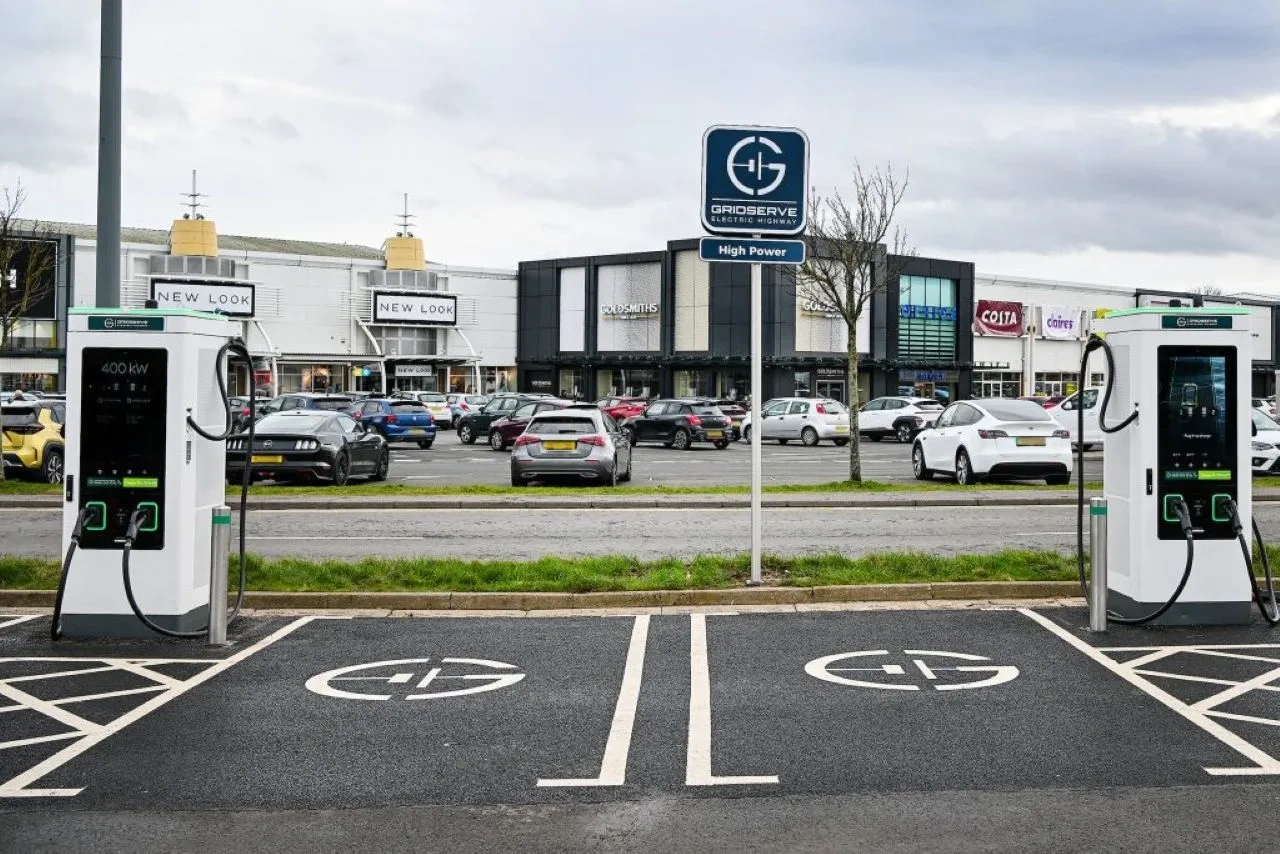
A dual EV charger is a charging station equipped with two separate charging connectors or ports, allowing two electric vehicles to charge at the same time. Instead of installing two individual chargers, users can rely on one centralized unit with built-in load balancing and smart power distribution.
Dual chargers are commonly found in:
- Multi-car households
- Apartment complexes
- Hotels
- Office buildings
- Public parking lots
- Fleet depots
- Commercial garages
Most dual chargers are Level 2 AC chargers, operating on 208V or 240V power supplies. Depending on model and electrical capacity, they can provide charging outputs ranging from 7kW to 22kW, shared or split between two vehicles.
For example:
- 22kW total output may deliver 11kW to each car simultaneously
- If one vehicle finishes charging, the second may receive the full 22kW
- Smart chargers automatically adjust power based on vehicle demand
This makes dual chargers efficient and flexible for locations where multiple EVs need access throughout the day.
The most obvious advantage is the ability to charge two EVs at once. This is ideal for households owning two electric cars or businesses serving multiple drivers.
Instead of mounting two separate chargers, one dual charger often uses less wall or pedestal space.
Although the charger itself costs more than a single unit, it may reduce:
- Wiring costs
- Trenching expenses
- Breaker panel upgrades
- Mounting hardware
- Labor costs
One installation can serve two parking spaces.
Many dual chargers include dynamic load balancing. This feature distributes available electricity safely and efficiently between connected vehicles.
Drivers do not need to wait for another vehicle to finish charging before plugging in.
Businesses can monetize charging sessions more efficiently by serving two customers from one station.
A single EV charger has one charging connector and charges one electric vehicle at a time. It remains the most common charger type for residential garages and small businesses.
Single chargers are available in:
- Level 1 portable chargers (120V)
- Level 2 home chargers (240V)
- DC fast chargers with one connector
For most homes, Level 2 single chargers are preferred because they can recharge a vehicle overnight much faster than standard wall outlets.
Typical output ranges include:
- 3.7kW
- 7kW
- 11kW
- 22kW (three-phase in some regions)
Single chargers are simple, cost-effective, and ideal when only one EV needs regular charging.
Single chargers generally cost less to purchase than dual-port systems.
Because only one connector is supported, electrical design is often simpler.
Unlike dual chargers that may split power, a single charger sends all available energy to one car.
Wall-mounted residential units are often sleek and space-saving.
If only one EV is owned, a single charger usually provides everything needed.
Dual Charger:
Charges two vehicles simultaneously.
Single Charger:
Charges one vehicle at a time.
Winner: Dual charger for multi-car use.
Charging speed depends on total power capacity.
Example:
A 22kW single charger may deliver full 22kW to one EV.
A 22kW dual charger may provide:
- 11kW + 11kW to two cars
- Dynamic sharing depending on need
If only one car is connected, many dual chargers can allocate full power to one vehicle.
Winner: Single charger for fastest charging to one car.
Single Charger:
Lower upfront equipment and installation costs.
Dual Charger:
Higher equipment cost but may reduce the need for installing two separate chargers.
Winner: Depends on scenario.
One EV = Single charger cheaper
Two EVs = Dual charger may be better value
Single Charger:
Requires separate units if charging two cars.
Dual Charger:
One charger often serves two adjacent spaces.
Winner: Dual charger.
Modern dual chargers often include advanced software such as:
- Load balancing
- OCPP networking
- RFID access
- Billing systems
- Remote monitoring
- Fleet management
Single chargers can also offer smart functions, but dual units often prioritize commercial applications.
Winner: Dual charger in commercial environments.
For future EV growth, dual chargers can better support expanding demand.
Winner: Dual charger.
Residential Homes with Two EVs
As more families own two electric vehicles, dual chargers eliminate scheduling conflicts.
Example:
- Car A charges overnight
- Car B charges simultaneously
- No need to swap cables at midnight
Apartment Complexes
Property owners can serve more tenants with fewer charging stations.
Workplaces
Employees appreciate shared charging access during office hours.
Hotels and Retail Centers
Two guests or customers can charge simultaneously, improving convenience.
Fleets
Taxi, delivery, municipal, and company fleets often need multiple vehicles charged daily.
Homes with One EV
A single Level 2 charger is usually sufficient.
Small Offices
If only one employee or company car requires charging.
Limited Electrical Capacity
Where panel upgrades are expensive, one charger may be more practical.
Budget-Conscious Buyers
Single chargers reduce upfront spending.
Electrical capacity is one of the most important factors when choosing between dual and single chargers.
Example Home Scenario
A home has a 100A service panel.
Installing:
One 40A single charger may be simple
Two separate chargers may overload capacity
One smart dual charger with load sharing may be ideal
Example Commercial Scenario
A parking lot with limited transformer capacity may install multiple dual chargers instead of many individual units.
This improves charger count without requiring major utility upgrades.
Load balancing allows chargers to automatically adjust power based on real-time demand.
Example:
Two EVs plugged into a 14kW dual charger:
- Car 1 requests 7kW
- Car 2 requests 7kW
If Car 1 reaches full battery:
- Car 2 may receive full 14kW
This increases efficiency and avoids wasted power.
Single Charger Costs
Typical residential Level 2 charger:
- Lower hardware cost
- Lower installation cost
- Lower maintenance complexity
Dual Charger Costs
- Higher charger purchase price
- Slightly more complex installation
- Better cost per charging port
For businesses, dual chargers often produce better ROI over time.
Single Charger
- Fewer components
- Easier troubleshooting
- Lower replacement costs
Dual Charger
- More connectors
- More electronics
- More user traffic in public areas
However, quality commercial-grade chargers are built for heavy-duty use.
Single Charger
Good when only one vehicle requires charging.
Dual Charger
Much more convenient when two vehicles need energy regularly.
No cable swapping, no scheduling conflicts, no waiting.
Dual chargers may reduce total material usage versus installing two separate units:
- Fewer enclosures
- Shared electronics
- Shared pedestal
- Less conduit and cabling
They can also optimize power demand through software control, helping reduce peak electricity loads.
EV ownership continues to rise. Many households that own one EV today may own two in the future.
Installing a dual charger now may help avoid:
- Future electrical rework
- Additional permits
- Extra installation labor
- Parking redesign later
Similarly, commercial properties can attract more tenants and customers by offering multi-vehicle charging.
Not necessarily. It depends on total power output and how power is shared.
High-capacity dual chargers can still charge vehicles quickly.
Yes, but it may require:
- More wiring
- Larger electrical service
- More wall space
- Higher total cost
If you own two EVs or expect to soon, often yes.
Yes. They maximize charger availability and user convenience.
Whether single or dual, always choose chargers with:
- Certified electrical safety standards
- Ground fault protection
- Weatherproof enclosure for outdoor use
- Overcurrent protection
- Smart temperature monitoring
- Professional installation
A poor installation matters more than charger type.
The market is moving toward:
- Dual-port workplace chargers
- Smart home chargers with power sharing
- Solar-integrated charging systems
- Dynamic billing software
- Fleet energy management
- App-based charger reservations
Dual chargers are increasingly favored where utilization is high.
Choose a Single Charger If:
- You own one EV
- Budget is limited
- Space is small
- You want fastest charging for one vehicle
- Future expansion is unlikely
Choose a Dual Charger If:
- You own two EVs
- Multiple drivers need access
- You manage apartments or offices
- You want long-term scalability
- Shared charging convenience matters
There is no universal winner—only the best solution for your needs.
A single EV charger is affordable, simple, and ideal for homes with one electric vehicle. It delivers full power to one car and remains the easiest starting point for new EV owners.
A dual EV charger offers greater flexibility, higher utilization, and stronger long-term value for households with two EVs or businesses serving multiple drivers. By charging two vehicles simultaneously and intelligently sharing power, it solves many of the limitations of single-port systems.
As EV adoption accelerates, charger selection should focus not only on today’s needs but tomorrow’s demand. In many cases, investing in a scalable dual charging solution now can save time, money, and effort later.
The comparison between dual EV chargers and single chargers comes down to charging demand, budget, electrical capacity, and future planning.
Single chargers remain excellent for simple one-vehicle applications. Dual chargers excel where convenience, shared access, and growth potential matter most.
Whether for a garage, apartment complex, business, or fleet yard, selecting the right charger today helps ensure efficient, reliable, and future-ready EV charging for years to come.
