
How Smart EV Charging Reduces Costs and Improves Grid Stability
The rapid growth of electric vehicles (EVs) is transforming the global transportation industry. Governments, businesses, and consumers are increasingly embracing cleaner transportation technologies to reduce carbon emissions and dependence on fossil fuels. However, as EV adoption accelerates, the demand for efficient, reliable, and affordable charging infrastructure continues to rise. This growing demand has created significant pressure on electricity grids, energy providers, and charging networks worldwide.
One of the most effective solutions to address these challenges is smart EV charging. Smart charging technology enables electric vehicles to charge intelligently based on electricity demand, energy prices, grid conditions, and user preferences. Unlike traditional charging methods that simply deliver electricity immediately after plugging in, smart charging optimizes when and how charging occurs.
Smart EV charging is becoming a key component of modern energy management systems. It helps reduce charging costs, improves grid stability, enhances renewable energy integration, and provides a more convenient experience for EV drivers. As charging infrastructure continues to evolve, smart charging technologies are expected to play a vital role in supporting the future of sustainable transportation.
This article explores the concept of smart EV charging, its working principles, major technologies, benefits, challenges, applications, market trends, and future developments shaping the global EV industry.
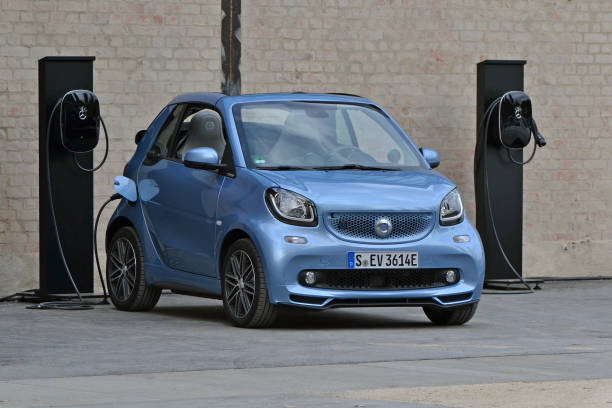
Smart EV charging refers to a charging system that uses digital communication, automation, and energy management technologies to optimize the charging process of electric vehicles. Smart charging systems can communicate with the vehicle, charging station, electricity grid, and software platforms to determine the best charging schedule.
Instead of charging immediately at maximum power, smart charging can automatically adjust charging speed and timing according to various factors, including:
- Electricity prices
- Grid demand
- Renewable energy availability
- User charging preferences
- Battery condition
- Peak and off-peak periods
For example, an EV owner may plug in a vehicle at 6 PM but only require a full battery by 7 AM the next morning. A smart charging system can delay charging until overnight hours when electricity demand is lower and energy costs are cheaper.
This intelligent charging approach helps create a more balanced and efficient electricity network while reducing operating costs for EV owners.
Smart charging systems combine hardware, software, and communication technologies to manage energy flow between the charging station and the electric vehicle.
A smart charger communicates with several connected systems:
- Electric vehicle
- Charging management software
- Utility companies
- Power grid operators
- Renewable energy systems
- Mobile applications
These systems exchange real-time information to optimize charging schedules and energy usage.
Load balancing is one of the most important smart charging functions. It prevents electrical overload by distributing available power among multiple chargers or devices.
For example, in a residential building with several EV chargers, the system can reduce charging speed for some vehicles to avoid exceeding the building’s electrical capacity.
Electricity prices often vary throughout the day. Smart chargers automatically schedule charging during low-cost periods, helping users save money.
This process is commonly called time-of-use optimization.
Utilities can communicate with smart chargers to temporarily reduce charging demand during periods of grid stress or high electricity consumption.
This demand response capability helps stabilize the electricity network and reduces the need for expensive infrastructure upgrades.
Smart charging systems can coordinate EV charging with renewable energy production, such as solar or wind power.
For example, a home EV charger connected to rooftop solar panels may prioritize charging during daylight hours when solar generation is highest.
Smart Charging Station
The charging station is equipped with communication modules, sensors, software, and energy management capabilities.
Features often include:
- Wi-Fi or cellular connectivity
- RFID authentication
- Mobile app control
- Real-time monitoring
- Remote diagnostics
- Energy usage tracking
Charging Management Software
Software platforms manage charging schedules, user authentication, billing, energy optimization, and analytics.
These systems allow operators to monitor and control charging stations remotely.
Cloud Connectivity
Cloud-based systems store charging data and enable real-time communication between vehicles, chargers, and grid operators.
Cloud integration supports:
- Firmware updates
- Predictive maintenance
- Data analysis
- Remote management
Mobile Applications
Many smart chargers include smartphone applications that allow users to:
- Start or stop charging
- Schedule charging sessions
- Monitor charging status
- Track electricity costs
- Receive notifications
Smart Meters
Smart meters provide accurate electricity consumption data and support dynamic pricing models.
They help utilities and charging operators optimize energy distribution.
Residential smart chargers are designed for home installations and provide convenient overnight charging.
Common features include:
- Scheduled charging
- Solar integration
- Energy monitoring
- App-based control
- Dynamic load balancing
Home smart charging is becoming increasingly popular as more EV owners seek lower charging costs and better energy efficiency.
Commercial charging systems are used in workplaces, retail centers, hotels, apartment complexes, and parking facilities.
These systems often support:
- Multiple users
- Payment processing
- Fleet management
- Energy optimization
- Usage reporting
Public charging operators use smart charging technology to manage large charging networks efficiently.
Network operators can:
- Monitor charger availability
- Adjust charging speeds
- Balance grid demand
- Implement dynamic pricing
- Manage energy consumption remotely
Fleet operators rely heavily on smart charging to manage large numbers of electric vehicles efficiently.
Smart fleet charging systems help businesses:
- Reduce electricity costs
- Prevent power overload
- Optimize vehicle availability
- Improve operational efficiency
Fleet charging is particularly important for:
- Delivery vehicles
- Electric buses
- Logistics companies
- Ride-sharing fleets
- Municipal transportation
One of the most significant advantages of smart charging is cost reduction.
By charging during off-peak hours when electricity prices are lower, EV owners can substantially reduce energy expenses.
Dynamic pricing systems also encourage more efficient electricity usage across the grid.
Smart charging automates the charging process.
Drivers simply plug in their vehicles and allow the system to manage charging schedules automatically based on user preferences.
This eliminates the need for manual scheduling or monitoring.
Electricity demand can fluctuate significantly throughout the day. Uncontrolled EV charging may place excessive strain on power grids during peak periods.
Smart charging helps distribute demand more evenly, reducing stress on grid infrastructure.
Renewable energy sources such as solar and wind are variable by nature.
Smart charging allows EVs to charge when renewable electricity production is highest, improving clean energy utilization.
Without smart charging, utilities may need to invest heavily in new transformers, substations, and transmission systems.
Smart energy management helps maximize the use of existing infrastructure.
Smart charging systems can optimize charging speed and battery management, potentially extending EV battery lifespan.
Controlled charging reduces excessive heat generation and battery stress.
Operators can remotely manage charging stations, diagnose problems, and perform software updates.
This reduces maintenance costs and improves system reliability.
What Is Vehicle-to-Grid (V2G)?
Vehicle-to-grid technology allows electric vehicles to send electricity back to the grid when needed.
Instead of functioning only as electricity consumers, EVs can act as mobile energy storage systems.
How V2G Works
During periods of high electricity demand, utilities can draw energy from connected EV batteries.
When electricity demand decreases, vehicles recharge again.
This two-way energy flow creates new opportunities for energy balancing and grid stabilization.
Benefits of V2G
Vehicle-to-grid technology offers several important advantages:
- Improved grid reliability
- Increased renewable energy integration
- Additional income opportunities for EV owners
- Reduced peak electricity demand
- Enhanced energy storage capacity
Although V2G technology is still developing, it is expected to become a major part of future smart charging ecosystems.
Solar-Powered Smart Charging
Many homeowners and businesses are integrating EV chargers with solar energy systems.
Smart charging software can prioritize solar electricity for vehicle charging, reducing dependence on grid power.
Wind Energy Integration
Smart charging can also align charging schedules with periods of high wind power generation.
This supports more stable renewable energy consumption patterns.
Energy Storage Integration
Battery energy storage systems can work together with smart charging infrastructure.
Stored renewable energy can be used later for EV charging during high-demand periods.
Grid Capacity Limitations
Although smart charging improves efficiency, some regions still require substantial grid upgrades to support widespread EV adoption.
Aging electrical infrastructure may struggle to handle growing electricity demand.
Cybersecurity Risks
Connected charging systems rely heavily on digital communication networks.
Cybersecurity threats may include:
- Data breaches
- Unauthorized access
- Software manipulation
- Payment fraud
Strong cybersecurity protections are essential for safe smart charging operation.
Lack of Standardization
Different charging protocols, software systems, and hardware platforms can create compatibility challenges.
Industry-wide standards are necessary to improve interoperability.
High Initial Investment
Smart charging infrastructure may involve higher upfront costs than traditional chargers.
Expenses can include:
- Advanced hardware
- Software platforms
- Network connectivity
- Installation upgrades
However, long-term energy savings often offset these initial investments.
Consumer Awareness
Many consumers still have limited understanding of smart charging benefits and technologies.
Education and awareness campaigns are important for wider adoption.
Workplace Charging
Companies increasingly provide EV charging for employees.
Smart charging helps businesses:
- Manage energy costs
- Avoid peak demand charges
- Support sustainability goals
- Enhance employee benefits
Retail and Hospitality
Shopping centers, hotels, and restaurants use smart charging to attract EV drivers.
Charging systems can integrate with customer loyalty programs and payment systems.
Logistics and Transportation
Commercial fleets require reliable charging management to maintain operational efficiency.
Smart charging helps optimize fleet availability while minimizing energy expenses.
Industrial Facilities
Factories and industrial sites are adopting electric vehicles for material handling, transportation, and logistics.
Smart charging enables efficient energy management within industrial operations.
Governments worldwide are introducing policies to support smart charging infrastructure development.
Financial Incentives
Many countries offer:
- Tax credits
- Rebates
- Grants
- Infrastructure subsidies
These incentives encourage businesses and consumers to install smart chargers.
Grid Modernization Programs
Utilities and governments are investing in smart grid technologies to support EV integration.
Emissions Reduction Targets
Many nations have established aggressive carbon neutrality goals, accelerating EV adoption and smart charging deployment.
Building Regulations
Some regions now require new buildings to include EV-ready electrical infrastructure and smart charging capabilities.
Artificial Intelligence
AI-powered charging systems can predict electricity demand, optimize charging schedules, and improve energy efficiency.
Machine learning algorithms analyze user behavior and grid conditions in real time.
Blockchain Technology
Blockchain may improve charging security, billing transparency, and peer-to-peer energy trading.
Wireless Charging
Wireless EV charging technology is evolving rapidly.
Future smart charging systems may enable automatic charging without physical cables.
Ultra-Fast Smart Charging
High-power charging systems combined with intelligent energy management can significantly reduce charging times while protecting grid stability.
Bidirectional Charging
Bidirectional charging allows electricity to flow both to and from the vehicle, supporting advanced energy management applications.
The future of smart charging is closely tied to the continued expansion of electric mobility and renewable energy systems.
Several major trends are expected to shape the industry:
Expansion of EV Adoption
As EV sales continue growing globally, demand for smart charging infrastructure will increase dramatically.
Smart Cities Development
Smart charging will become a critical component of smart city infrastructure.
Integrated transportation and energy systems will improve urban sustainability and efficiency.
Renewable Energy Integration
Future charging networks will increasingly rely on solar, wind, and energy storage technologies.
Advanced Grid Management
Utilities will use real-time energy management systems to coordinate millions of EV chargers efficiently.
Autonomous Vehicles
Self-driving electric vehicles may automatically locate charging stations and optimize charging schedules without human intervention.
The global smart EV charging market is experiencing rapid growth due to:
- Rising EV adoption
- Government incentives
- Renewable energy expansion
- Grid modernization initiatives
- Growing environmental awareness
Major industry participants are investing heavily in:
- Charging hardware
- Software platforms
- Cloud services
- Energy management systems
- Fast charging technologies
Regions leading smart charging development include:
- Europe
- North America
- China
- Japan
- South Korea
China remains one of the largest EV and charging infrastructure markets globally, with extensive investment in intelligent charging networks and renewable energy integration.
Smart EV charging plays a crucial role in achieving long-term sustainability goals.
By improving energy efficiency, supporting renewable energy, and reducing grid strain, smart charging helps create a cleaner and more resilient transportation system.
The technology also encourages broader EV adoption by reducing charging costs and improving convenience for drivers.
As countries work toward decarbonization and energy transition goals, smart charging infrastructure will become increasingly essential.
Smart EV charging is transforming modern electric vehicle infrastructure by optimizing energy use, reducing charging costs, and improving convenience for drivers. It also supports grid stability and renewable energy integration, making transportation more sustainable.
Emerging technologies such as vehicle-to-grid systems, artificial intelligence, wireless charging, and bidirectional energy flow are further enhancing smart charging capabilities. Despite challenges including infrastructure investment, cybersecurity, and standardization, the future of smart EV charging remains highly promising as global EV adoption continues to grow.
