ISO 15118 EV Charging Standard Explained: Plug & Charge, V2G, and the Future of Smart Charging
Electric mobility is rapidly transforming the global transportation landscape. But as the world transitions from internal combustion engines to electric vehicles (EVs), the infrastructure supporting EV adoption must evolve just as quickly — and intelligently. A central piece of this transformation is ISO 15118, an international communication standard that governs how EVs and charging stations "talk" to each other. Once a niche technical specification, ISO 15118 is now at the heart of regulatory mandates, technological innovation and massive infrastructure investments around the world.
From Plug & Charge convenience to smart charging for grid efficiency and bidirectional energy exchange (V2G), ISO 15118 is reshaping the EV charging experience for drivers, operators and energy systems alike. This article explores why this standard matters, how it works, current regulatory shifts (especially in the European Union and the United States), industry adoption challenges, and what the future holds for EV charging interoperability and energy integration.
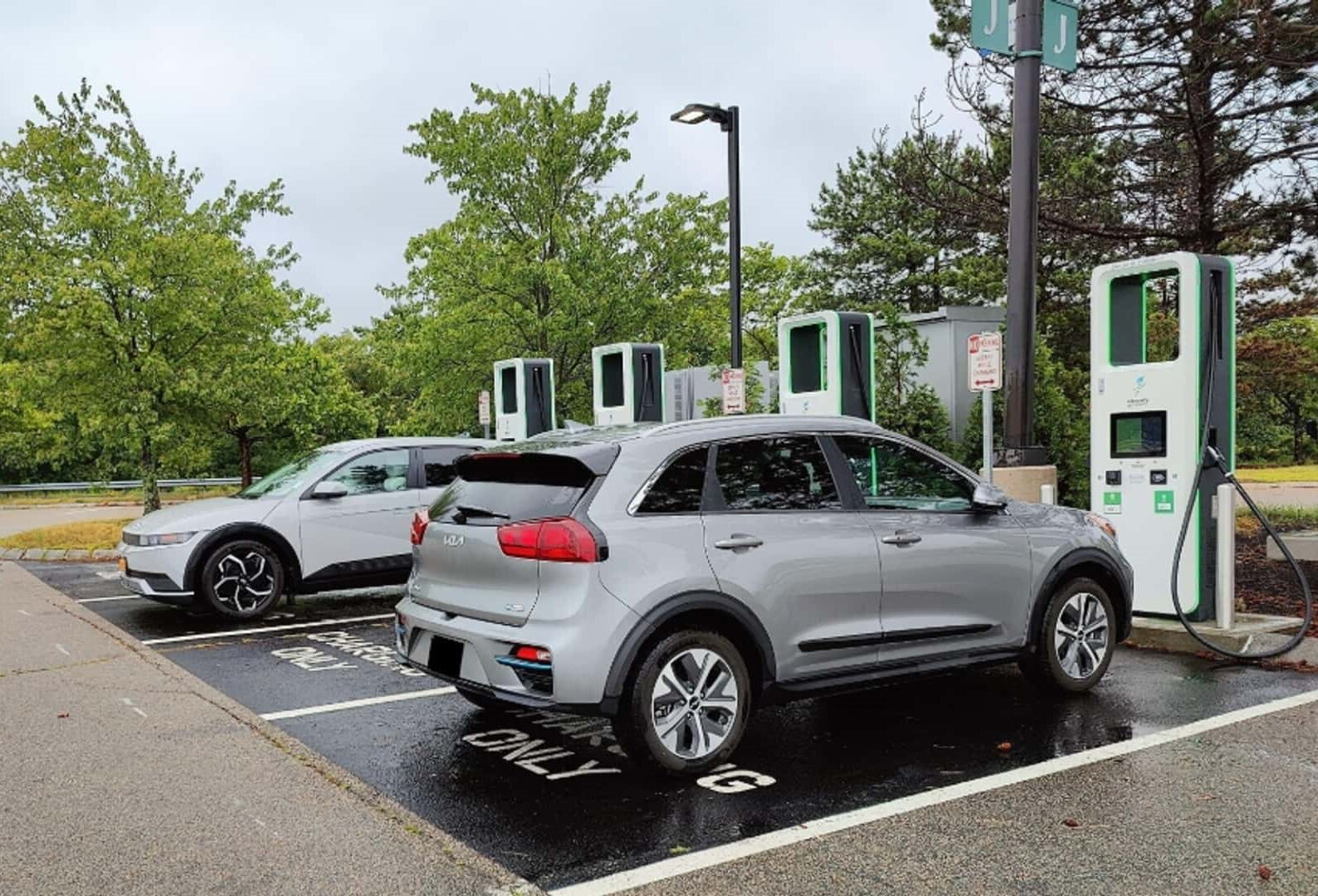
At its core, ISO 15118 is an international standard that defines the communication interface between an electric vehicle and a charging station (EVSE — Electric Vehicle Supply Equipment). Developed by the International Organization for Standardization (ISO) in collaboration with the International Electrotechnical Commission (IEC), the standard specifies how data is exchanged, how security is managed, and how charging parameters are negotiated during the charging session.
Unlike basic charging protocols that simply supply current and voltage, ISO 15118 enables digital communication between EVs and charging points, allowing software-driven interaction rather than manual steps. This digital layer forms the basis for several "next-generation" charging experiences:
ISO 15118 enables a seamless "Plug & Charge" user experience. When an EV is plugged into a compatible charging station, the vehicle and charger automatically authenticate each other using encrypted digital certificates, and the charging session starts without requiring any additional authentication steps — no RFID cards, mobile apps, or manual payment inputs.
This function mirrors the simplicity of smartphone charging: plug in and go. For drivers, this means less friction, fewer apps to manage, and a more intuitive process.
Beyond convenience, ISO 15118 unlocks communication that allows chargers and vehicles to negotiate charging parameters. This capability enables smart charging that considers grid conditions, electricity pricing, and renewable energy availability.
For example:
- An EV could delay or adjust its charging rate during peak grid demand.
- Charging can be scheduled when electricity prices are lowest.
- Renewable energy sources (like solar or wind) can be prioritized.
- This transforms EVs from simple electrical loads into intelligent grid participants.
Perhaps the most transformative feature enabled by ISO 15118 is V2G, which allows energy to flow both to and from the EV. In this scenario, EVs can act as mobile energy storage units that feed power back to a home, building, or even the broader electrical grid during peak demand. This capability can support grid stability, emergency backup power, or even new revenue streams for EV owners.
Together, these capabilities embody a shift from traditional EV charging to connected, automated, and energy-aware charging ecosystems.
Historically, ISO 15118 was an optional standard used primarily in pilot projects and early adopter markets. Recent policy developments — especially in the European Union (EU) — have changed that.
The EU's Alternative Fuels Infrastructure Regulation (AFIR) has enshrined ISO 15118 as a mandatory standard for EV charging infrastructure across member states. Under the latest authorized regulation (EU 2025/656), the implementation timeline is clear and structured:
January 8, 2026: All newly installed or refurbished public EV charging stations must comply with the ISO 15118-1 through -5 series (covering physical, data link, network and application layers).
January 1, 2027: A more stringent phase kicks in — all new public and private charging stations (AC and DC) must comply with EN ISO 15118-20:2022, the second-generation communication standard. Charging points offering Plug & Charge must support both ISO 15118-2:2016 and 15118-20 to ensure secure authorization and interoperability.
This phased rollout means that by 2027, ISO 15118 will be the de facto communication protocol for EV charging across the EU, elevating interoperability, user convenience and future-ready capabilities across tens of thousands of charging sites.
Consequently, charging hardware manufacturers and network operators face a technology upgrade imperative. Devices without ISO 15118 compliance will increasingly be unable to secure regulatory approval or government funding, significantly narrowing market access for non-compliant products.
The United States also is embracing ISO 15118 through its National Electric Vehicle Infrastructure (NEVI) program. Proposed NEVI guidelines recommend that federal charging infrastructure projects implement international standards such as ISO 15118 and the Open Charge Point Protocol (OCPP) to qualify for funding. This requirement aims to ensure that federally supported chargers are interoperable, secure, and user-friendly — aligning America's EV ecosystem with global best practices.
At the same time, the Bipartisan Infrastructure Law allocates billions to build out EV charging networks (targeting 500,000 chargers by 2030), and standards compliance is central to unlocking federal and state investment.
ISO 15118's transition from concept to mainstream deployment is gathering pace. Multiple industry players, from charging hardware vendors to EV manufacturers and fleet operators, are integrating the standard into their offerings.
Leading EV charging network operators — such as ChargePoint — have publicly declared that all new charging stations will support Plug & Charge functionality, acknowledging its importance for streamlined charging experiences and future fleet electrification.
Meanwhile, EV manufacturers are increasingly equipping models with ISO 15118-compatible communication stacks. While adoption varies by brand and model year, the tide is shifting toward broader inclusion, especially for vehicles targeting European markets where compliance is soon mandatory.
Hardware manufacturers are responding to regulatory and market demands. For example, companies like Xiamen Giant Technology have secured ISO 15118 certification from industry testing bodies, demonstrating compliance across the vehicle-to-grid communication ecosystem, including Plug & Charge and V2G features.
Various third-party testing and certification entities also are expanding services to support ISO 15118 compliance, offering interoperability testing, conformance reports, and certification frameworks for both AC and DC charging infrastructure.
Commercial fleet operators see particular value in ISO 15118's automation and data features. For large EV fleets — such as logistics vehicles, buses or shared mobility services — Plug & Charge and advanced data exchange eliminate manual driver account management and provide real-time charging scheduling and grid interaction capabilities.
ISO 15118's impact extends far beyond user convenience. The standard introduces robust security and interoperability mechanisms that underpin reliable and scalable EV charging.
Security is a core requirement of ISO 15118. The standard mandates the use of Transport Layer Security (TLS) and Public Key Infrastructure (PKI) to protect all communication between the EV and the charger. This level of encryption and certificate-based authentication guards against unauthorized access, data tampering, and potential breaches of payment information.
Enhanced security is especially critical as EV charging becomes more integrated with payment systems, fleet management platforms, and smart grid operations.
One of ISO 15118's foundational goals is to enable EVs from any manufacturer to connect to any compliant charging station, regardless of network operator. By defining standardized data formats, communication layers, and authorization methods, ISO 15118 minimizes fragmentation in charging protocols and fosters a more unified global charging ecosystem.
This interoperability is a cornerstone for expanding public charging infrastructure while avoiding proprietary silos that would limit customer choice.
ISO 15118's support for smart charging and V2G creates opportunities for active participation in electricity markets. EVs can charge when renewable energy is abundant, discharge during peak demand, and provide grid services that stabilize frequency or voltage.
In future energy systems dominated by variable renewables, this vehicle-as-energy-resource paradigm could be transformative, reducing reliance on peaking plants and lowering energy costs for consumers.
Despite its benefits, ISO 15118 adoption has not been without challenges. These include technical, operational, and ecosystem complexity issues.
Implementing ISO 15118 requires more than just firmware updates. Charging stations — both AC and DC — need hardware capable of digital communication (often using power-line communication or alternative physical layers), secure certificate handling, and support for encryption and network protocols. For some legacy infrastructure, this means significant redesign and investment.
On the vehicle side, OEMs must integrate the communication stack into onboard systems, manage certificates securely, and ensure compatibility with a wide range of EVSE implementations.
ISO 15118's security model relies on certificate exchange between vehicles, charging stations and backend authorization systems. Managing these cryptographic certificates at scale — across millions of vehicles and hundreds of thousands of chargers — requires global PKI infrastructure, trusted authorities, and robust lifecycle management. Errors or delays in certificate provisioning have the potential to disrupt charging authorization.
In many regions, older charging standards — such as DIN 70121, CAN-based protocols, or early ISO 15118 variants — are still prevalent. Achieving a smooth transition to ISO 15118 — especially across mixed infrastructure — remains a logistical challenge. Operators must balance backward compatibility with forward-looking capabilities.
Not all regions have adopted ISO 15118 mandates to the same extent. While the EU is setting strict regulatory deadlines, other regions — such as parts of Asia, North America, and Latin America — have more voluntary or evolving requirements. This patchwork can complicate global product strategies for OEMs and charging hardware manufacturers.
While ISO 15118 establishes a communication foundation, innovation is flourishing on top of it.
Academic work suggests enhancements to the Plug & Charge authorization model using modern web protocols like OAuth2 and OpenID Connect (OIDC), which could simplify credential installation, support fine-grained authorization (e.g., time-limited or cost-based permissions), and improve user flexibility.
Emerging research proposes architectures where charging sessions host value-added services, such as vehicle software updates, real-time analytics, or integrated cybersecurity monitoring. These services run securely over the charging communication channel, enhancing both user experience and operational efficiency.
Recent studies indicate that ISO 15118-20 V2G solutions can achieve high bidirectional charging efficiency — up to 97% for charging and 93% for discharging — when implemented in advanced chargers under controlled conditions. This suggests real-world potential for using EVs as distributed energy resources with minimal loss.
ISO 15118 is no longer a specialized technical specification; it has become a strategic pivot point for global EV charging infrastructure. Its adoption is being shaped by regulation, market demand, technological innovation, and energy system transformation.
As countries expand their EV charging networks, compliance with ISO 15118 will be increasingly tied to funding, regulatory approval, and customer expectations. The era of smart, secure and seamless EV charging has begun, and ISO 15118 is at its heart.
In the near future, we can expect several trends to accelerate:
- Ubiquitous Plug & Charge: Standardization of automatic authorization across public and private chargers.
- Grid-Responsive Charging: Dynamic interaction between EVs and energy markets, lowering costs and improving renewable integration.
- Widespread V2G Services: Consumers and utilities leveraging EV batteries for energy flexibility and resilience.
- Global Harmonization: Increasing alignment of standards across regions, reducing market fragmentation and enhancing interoperability.
EV adoption continues to grow, and the charging paradigm is evolving from static power delivery to dynamic, data-driven energy exchange. With its emphasis on security, interoperability, and future-ready features, ISO 15118 provides the common language that will enable this transition — integrating transportation and energy systems like never before.