400 kW DC Fast Chargers for Heavy-Duty Electric Vehicle Charging
The rapid expansion of the electric vehicle industry is transforming transportation, logistics, and energy infrastructure worldwide. As electric passenger cars, buses, trucks, and commercial fleets continue to grow in number, the demand for high-power charging infrastructure has become more important than ever. Among the latest advancements in charging technology, the 400 kW DC fast charger has emerged as a critical solution for reducing charging time and improving operational efficiency.
A 400 kW EV charger is specifically designed for applications where charging speed directly impacts productivity and profitability. In logistics centers, public transportation systems, commercial fleet depots, and highway charging stations, vehicles must spend as little time as possible connected to charging equipment. Fast energy replenishment helps operators maintain schedules, reduce downtime, and maximize asset utilization.
Unlike conventional AC charging systems, a 400 kW DC fast charger delivers high-voltage direct current directly to the vehicle battery. This bypasses the onboard charger and enables extremely rapid charging performance. The system is engineered to support heavy-duty electric vehicles with large battery capacities, including electric buses, mining vehicles, long-haul trucks, and industrial machinery.
Modern 400 kW charging systems combine intelligent energy management, liquid-cooled charging technology, and advanced communication protocols to ensure safe and stable high-power delivery. Fully compliant with OCPP 1.6J standards and designed with IP54 protection, these chargers are suitable for demanding outdoor installations in industrial parks, transportation hubs, commercial charging networks, and urban infrastructure projects.
As governments and industries accelerate the transition toward sustainable transportation, 400 kW DC fast chargers are becoming a cornerstone of modern EV charging infrastructure.
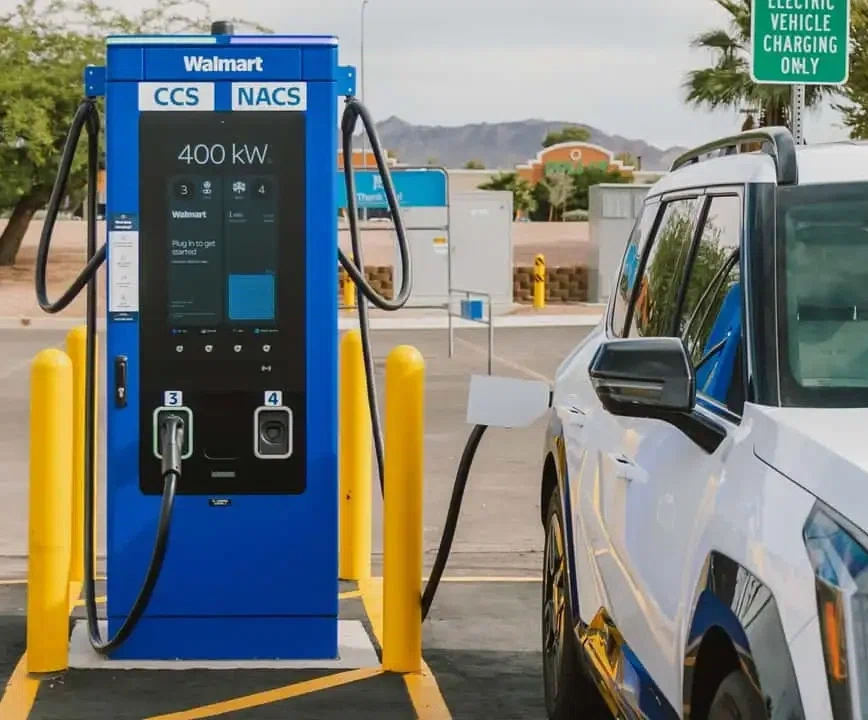
The global electric vehicle market has evolved far beyond passenger cars. Commercial transportation, logistics fleets, port equipment, and heavy industrial vehicles are increasingly shifting toward electrification. However, larger vehicles require significantly larger battery packs, which also demand higher charging power.
Traditional charging methods are no longer sufficient for many commercial operations. A standard AC EV charger may require several hours to fully recharge a heavy-duty electric vehicle, creating operational bottlenecks. Even lower-power DC chargers may struggle to keep pace with the demanding schedules of modern transportation systems.
Ultra-fast charging technology addresses these challenges by dramatically reducing charging times. A 400 kW DC charger can provide substantial battery replenishment within a short period, enabling vehicles to return to service quickly.
For fleet operators, this means:
- Reduced operational downtime
- Improved vehicle utilization
- Higher transportation efficiency
- Lower labor and waiting costs
- Better route scheduling flexibility
- Increased profitability
Public charging operators also benefit from ultra-fast charging systems. High-power chargers allow stations to serve more vehicles each day, improving revenue generation and reducing congestion during peak hours.
As EV adoption accelerates worldwide, the deployment of high-power charging infrastructure is becoming essential for supporting future transportation demands.
DC fast charging differs significantly from conventional AC charging systems. In an AC charger, alternating current from the electrical grid is converted into direct current by the vehicle's onboard charger before entering the battery. This process is limited by the capacity of the onboard conversion system.
A DC fast charger performs the AC-to-DC conversion internally within the charging station itself. The charger then supplies direct current directly to the vehicle battery at high voltage and high current levels.
This approach enables much faster charging speeds because the station is capable of handling far greater power output than the vehicle's onboard charging equipment.
A 400 kW charger typically operates using advanced power modules that distribute energy efficiently while maintaining stable output characteristics. Intelligent monitoring systems continuously regulate voltage, current, and temperature during charging sessions to ensure safety and battery protection.
Key components of a 400 kW DC fast charger include:
- High-efficiency power conversion modules
- Liquid-cooled charging cables
- Intelligent charging controllers
- Human-machine interface displays
- Network communication systems
- Thermal management systems
- Safety protection mechanisms
- Energy monitoring units
Together, these components create a charging platform capable of delivering reliable ultra-fast charging performance under demanding operating conditions.
The primary advantage of a 400 kW EV charger is its exceptional charging capability. Large battery packs can receive significant energy replenishment within minutes rather than hours.
This rapid charging performance is especially important for:
- Commercial fleets
- Electric buses
- Highway service stations
- Taxi fleets
- Port vehicles
- Distribution centers
- Industrial transport equipment
Fast charging minimizes idle time and helps operators maintain continuous workflow efficiency.
Heavy-duty electric vehicles require much larger battery capacities than passenger EVs. A city bus or logistics truck may carry battery systems several times larger than standard electric cars.
A 400 kW charging system is designed specifically to support these large-capacity batteries while maintaining stable energy delivery throughout the charging cycle.
The charger can handle high-voltage architectures commonly used in modern heavy-duty EV platforms, ensuring compatibility with future vehicle technologies.
Fleet operations depend heavily on time management. Long charging delays reduce productivity and increase operational costs.
Ultra-fast charging infrastructure enables fleets to:
- Complete more routes per day
- Reduce charging queue times
- Simplify vehicle scheduling
- Optimize energy management
- Increase return on investment
As fleet electrification expands, fast charging systems are becoming an essential operational asset.
Delivering 400 kW of charging power generates significant heat. Effective cooling systems are therefore essential for maintaining stable performance and protecting equipment.
Liquid-cooled charging cables and thermal management systems help prevent overheating during continuous high-power operation. This ensures reliable charging performance even in demanding climates and intensive commercial environments.
Modern DC chargers support intelligent communication and remote management capabilities. OCPP 1.6J compliance allows operators to integrate chargers into centralized management platforms for monitoring, diagnostics, billing, and maintenance.
Smart charging functions may include:
- Remote monitoring
- Dynamic load balancing
- Energy optimization
- User authentication
- Mobile payment integration
- Fault diagnostics
- Software updates
- Usage analytics
These features improve operational efficiency and simplify large-scale charger deployment.
One of the defining features of advanced 400 kW charging systems is liquid-cooled cable technology.
Traditional air-cooled charging cables become heavy and difficult to manage at extremely high current levels. Excessive heat buildup can also reduce charging performance and shorten equipment lifespan.
Liquid cooling solves these challenges by circulating coolant through the charging cable assembly. This removes heat efficiently and allows the system to maintain high current output continuously.
Benefits of liquid-cooled charging include:
- Higher charging efficiency
- Reduced cable size and weight
- Improved user handling
- Stable continuous operation
- Enhanced safety performance
- Longer equipment lifespan
- Better reliability in hot environments
Liquid-cooled systems are especially valuable in commercial and industrial charging applications where chargers operate continuously for extended periods.
Safety is a critical consideration in high-power EV charging infrastructure. A 400 kW charger operates with extremely high voltage and current levels, requiring multiple protection systems to ensure safe operation.
Modern charging stations incorporate comprehensive safety technologies such as:
Overvoltage Protection
Protects both the vehicle and charger from excessive voltage conditions that may damage sensitive electrical components.
Overcurrent Protection
Automatically limits current flow if abnormal operating conditions are detected.
Short Circuit Protection
Rapidly disconnects power during electrical faults to prevent equipment damage or fire hazards.
Ground Fault Protection
Detects electrical leakage and prevents electric shock risks.
Temperature Monitoring
Continuously monitors critical system temperatures and adjusts output power when necessary.
Emergency Stop Systems
Allows operators or users to immediately shut down charging operations during emergencies.
Insulation Monitoring
Ensures safe electrical isolation throughout the charging process.
These safety mechanisms are essential for maintaining reliable long-term operation in public and industrial charging environments.
Fleet depots are among the most important applications for ultra-fast charging systems. Delivery vehicles, logistics trucks, and commercial transport fleets often operate on tight schedules and require rapid turnaround times.
A 400 kW charger allows operators to recharge vehicles efficiently during short breaks or shift changes.
Public transportation systems increasingly rely on electric buses to reduce emissions and improve urban air quality.
Fast charging infrastructure enables buses to recharge quickly at terminals or route endpoints without disrupting service schedules.
Long-distance EV travel requires reliable high-speed charging infrastructure along major highways and transportation corridors.
Ultra-fast chargers reduce travel interruptions and improve convenience for EV drivers.
Ports, warehouses, and industrial facilities are adopting electric transport equipment to reduce operating costs and environmental impact.
High-power charging systems support continuous operation for heavy-duty industrial vehicles and machinery.
Urban charging hubs with multiple high-power chargers can serve a large number of vehicles efficiently, reducing waiting times and improving customer experience.
Open Charge Point Protocol (OCPP) is one of the most important communication standards in the EV charging industry. OCPP 1.6J compliance allows chargers from different manufacturers to communicate with centralized management systems.
This interoperability provides flexibility for charging network operators and infrastructure developers.
Benefits of OCPP integration include:
- Remote charger control
- Real-time status monitoring
- User management
- Payment integration
- Load management
- Firmware updates
- Predictive maintenance
- Energy reporting
Smart charging platforms also support integration with renewable energy systems and smart grids, improving energy efficiency and sustainability.
Many charging stations operate in challenging outdoor environments. Exposure to rain, dust, humidity, heat, and temperature fluctuations can affect equipment reliability if proper protection measures are not implemented.
An IP54-rated charger offers protection against:
- Dust ingress
- Water splashes
- Outdoor weather exposure
- Industrial environmental conditions
This durability makes 400 kW chargers suitable for:
- Public charging stations
- Highway rest areas
- Logistics parks
- Construction sites
- Transportation terminals
- Industrial facilities
Robust enclosure design and corrosion-resistant materials further enhance long-term operational reliability.
Deploying high-power charging infrastructure requires careful energy planning. A 400 kW charger places significant demand on electrical distribution systems, especially when multiple chargers operate simultaneously.
Modern charging systems often incorporate intelligent energy management technologies to optimize power usage and minimize grid impact.
These technologies may include:
- Dynamic power allocation
- Peak shaving
- Battery energy storage integration
- Renewable energy support
- Smart load balancing
- Demand response control
Effective energy management helps reduce operational costs while improving overall grid stability.
As renewable energy adoption increases, smart charging infrastructure will play an increasingly important role in balancing electricity supply and demand.
The future of electric mobility depends heavily on continued improvements in charging speed, infrastructure scalability, and energy efficiency.
As battery technologies advance, vehicle charging acceptance rates will continue to increase. Future electric trucks, buses, and industrial vehicles may support charging capacities exceeding today's standards.
At the same time, charging infrastructure manufacturers are developing even more powerful systems capable of delivering megawatt-level charging for heavy commercial transportation.
Several industry trends are shaping the future of high-power charging:
The next generation of commercial EV charging will likely exceed 1 MW charging capacity for long-haul trucks and industrial equipment.
Charging stations will increasingly integrate solar power, battery storage, and smart energy management systems.
AI-driven monitoring systems will improve charger reliability and optimize maintenance scheduling.
Future chargers may support bidirectional energy flow, allowing EVs to supply electricity back to the power grid.
Governments and private companies worldwide are investing heavily in nationwide charging networks to support mass EV adoption.
High-power DC charging will remain a key component of this global transition toward electrified transportation.
The expansion of EV charging infrastructure contributes directly to global sustainability goals. Electric transportation helps reduce greenhouse gas emissions, improve air quality, and decrease dependence on fossil fuels.
Fast charging infrastructure accelerates EV adoption by making electric transportation more practical and convenient for consumers and businesses.
Environmental benefits include:
- Reduced carbon emissions
- Lower urban air pollution
- Improved energy efficiency
- Support for renewable energy usage
- Reduced noise pollution
- Lower fuel consumption
When combined with renewable electricity generation, electric transportation can significantly reduce the environmental impact of global mobility systems.
Despite its many advantages, deploying 400 kW charging infrastructure also presents several challenges.
Ultra-fast charging systems require significant investment in electrical infrastructure, transformers, grid upgrades, and construction.
Some locations may lack sufficient electrical capacity to support multiple high-power chargers.
Maintaining safe temperatures during continuous high-power operation requires sophisticated cooling technologies.
Ensuring compatibility across different vehicle platforms and charging standards remains an ongoing industry challenge.
Large charging stations may require substantial physical space for equipment installation and vehicle access.
Addressing these challenges will be essential for supporting future EV infrastructure expansion.
The 400 kW DC fast charger represents a major advancement in electric vehicle charging technology. Designed for high-performance commercial and industrial applications, these chargers deliver ultra-fast charging speeds while maintaining safety, durability, and intelligent energy management.
As transportation systems worldwide continue transitioning toward electrification, high-power charging infrastructure will become increasingly important for supporting fleet operations, public transportation, logistics networks, and long-distance travel.
With advanced liquid-cooled technology, OCPP 1.6J compliance, IP54 environmental protection, and smart connectivity features, modern 400 kW chargers provide a reliable foundation for next-generation EV infrastructure.
The continued development of high-power charging solutions will play a critical role in accelerating global EV adoption, improving operational efficiency, and supporting a cleaner, more sustainable transportation future.