
Benefits of EV Charging at the Airport for Travelers and Operators
Airports are more than transportation hubs. They are places where journeys begin, reunions happen, and business opportunities take shape. For many travelers, the airport experience can determine the mood of an entire trip. Convenience, speed, and reliability are now expected by passengers who want a seamless travel experience from the moment they leave home until they board their flight.
As electric vehicles become increasingly common, airports face a new responsibility: supporting EV drivers with reliable charging infrastructure. Travelers who drive electric cars often think carefully about battery range, charging opportunities, and the availability of stations at their destination. Without airport charging, concerns about battery levels can create unnecessary stress before a trip even begins.
Installing EV charging stations at airports solves this problem while also creating new business opportunities. Charging infrastructure can attract customers, increase parking revenue, support airport sustainability goals, and help power electric fleets operating on-site. From long-term parking garages to drop-off zones and rental car centers, EV chargers can improve efficiency across the entire airport ecosystem.
As more countries push toward cleaner transportation, airports that invest in EV charging today position themselves as future-ready transportation centers. This article explores the major benefits of EV charging at airports, the best charger types for airport environments, and why charging infrastructure is becoming essential for modern aviation facilities.
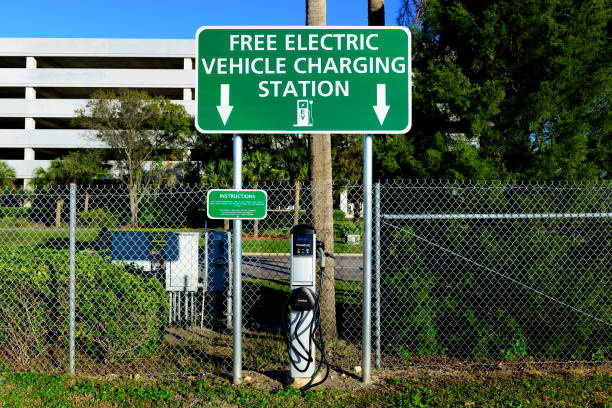
Electric vehicles are no longer a niche technology. Millions of drivers worldwide now rely on EVs for daily commuting, business travel, and family trips. As adoption continues to grow, travelers increasingly expect charging access wherever they go—including airports.
Airports serve a unique transportation role because they combine long parking durations, high traffic volume, commercial fleets, and premium customer service expectations. This makes them one of the ideal locations for EV charging deployment.
Passengers may leave their vehicles parked for hours, days, or even weeks. During this time, their cars can charge slowly and efficiently. Business travelers may need a quick top-up before heading to meetings after landing. Ride-share drivers, taxis, and shuttle buses often require fast charging between trips. Airport employees also need dependable workplace charging during long shifts.
Because airports operate around the clock, EV charging stations can enjoy high utilization rates. Chargers installed in the right locations can serve multiple user groups and generate continuous value.
Convenience is one of the most valuable services an airport can offer. Travelers already manage luggage, schedules, security lines, and time pressure. Worrying about vehicle battery levels adds another layer of stress.
Airport charging stations remove this concern. Drivers can park, plug in, and board their flight knowing their vehicle will be ready upon return. This peace of mind significantly improves customer satisfaction.
Benefits for passengers include:
- Returning to a fully charged vehicle after travel
- Eliminating the need to search for charging stations after landing
- Reducing range anxiety during trips
- Saving time after arrival
- Improving confidence in choosing EVs for airport travel
A positive parking experience can strongly influence whether passengers choose the same airport again in the future.
As EV ownership rises, charging access becomes a competitive advantage. Airports that fail to provide charging may frustrate travelers who actively seek EV-friendly facilities.
Many passengers compare airports based on convenience factors such as parking availability, terminal access, and amenities. EV charging is quickly joining that list.
Travelers may choose airports that offer:
- Reliable chargers in long-term parking
- Fast charging near terminals
- Easy mobile payment systems
- Real-time charger availability apps
- Reserved premium EV parking spaces
Providing charging demonstrates that the airport understands evolving customer expectations.
EV charging is not just a service—it can also be a profitable business model.
Airports can generate revenue through multiple pricing structures:
- Pay-per-kWh charging fees
- Per-minute charging fees
- Flat session charges
- Premium parking plus charging packages
- Monthly subscription plans for employees
- Fleet charging contracts
Fast chargers near terminals often command higher pricing because of convenience and urgency. Long-term parking chargers may create bundled pricing opportunities.
For example, travelers may willingly pay extra for a reserved parking space with guaranteed charging. Over time, these premium offerings can significantly increase parking income.
Parking facilities are valuable airport assets. EV charging helps maximize their attractiveness and occupancy rates.
When travelers know they can charge while parked, they may prefer airport parking over ride-share services or off-site lots. This can increase:
- Long-term parking bookings
- Premium garage usage
- Repeat customer visits
- Longer parking durations
- Customer loyalty program participation
Charging-enabled spaces often outperform standard parking spaces in demand, especially in regions with high EV adoption.
Many airports have announced carbon reduction targets and environmental strategies. EV charging aligns directly with these initiatives.
Transportation to and from airports contributes significantly to emissions. Encouraging EV use helps reduce local air pollution and greenhouse gases.
Environmental benefits include:
- Lower CO2 emissions from passenger vehicles
- Reduced emissions from airport fleets
- Improved air quality near terminals
- Support for renewable energy integration
- Stronger ESG performance reporting
Airports that invest in visible sustainability projects also strengthen their public image and appeal to eco-conscious travelers.
Airports operate many vehicles beyond passenger cars, including:
- Shuttle buses
- Security vehicles
- Maintenance trucks
- Baggage support vehicles
- Passenger assistance carts
- Ground operations equipment
As these fleets transition to electric power, charging infrastructure becomes essential.
Electric fleet benefits include:
- Lower fuel costs
- Reduced maintenance expenses
- Quieter operation
- Lower emissions
- Better long-term operating efficiency
Installing centralized charging depots allows airports to manage fleet energy needs more effectively.
Many rental companies are expanding EV offerings. Airports with rental car centers are ideal locations for fleet charging.
Rental operators need chargers to:
- Recharge returned vehicles quickly
- Prepare EVs for the next customer
- Maintain fleet availability
- Reduce fuel handling costs
- Meet corporate sustainability goals
Airports that support rental EV charging can attract partnerships with major mobility brands.
Modern travelers notice infrastructure upgrades. EV charging stations send a clear message that the airport is innovative, customer-focused, and environmentally responsible.
This can improve reputation among:
- Leisure travelers
- Corporate clients
- Airlines
- Government agencies
- Investors
- Local communities
Visible charging stations also create strong media and marketing opportunities tied to sustainability achievements.
Not every charger serves the same purpose. Airports need a mix of charging speeds depending on user behavior.
AC chargers are ideal for vehicles parked for several hours or days.
Typical users:
- Long-term parking travelers
- Airport employees
- Overnight staff vehicles
Advantages:
- Lower installation cost
- Efficient use for long dwell times
- Suitable for large parking lots
- Easier scaling across many spaces
Power levels commonly range from 7 kW to 22 kW.
If a traveler parks for a week, even moderate AC charging can fully replenish the battery many times over.
DC fast chargers are useful when drivers need energy quickly.
Typical users:
- Business travelers
- Ride-share drivers
- Rental car fleets
- Passenger pickup vehicles
Advantages:
- Charging in roughly 30 minutes to 2 hours
- High customer convenience
- Premium pricing potential
- Faster turnover per charger
Fast charging near terminals or transportation centers can serve high-demand traffic efficiently.
Ultra-fast chargers deliver the fastest charging available for compatible vehicles.
Typical users:
- Taxis
- Airport shuttle fleets
- Delivery vehicles
- Time-sensitive travelers
Advantages:
- 20% to 80% charge in around 20–30 minutes
- Supports continuous fleet operations
- Ideal for quick turnaround zones
- Strong commercial value in busy hubs
These chargers are best placed in short-stay areas with excellent traffic flow.
Successful deployment depends on charger placement.
Long-Term Parking Lots
Perfect for AC chargers because vehicles remain parked for extended periods.
Short-Term Parking Areas
Good for DC fast chargers where users need quick charging while waiting.
Employee Parking Zones
Reliable workplace charging improves staff satisfaction and supports commuting electrification.
Rental Car Facilities
Dedicated charging hubs help rotate EV fleets efficiently.
Taxi and Ride-Share Staging Areas
Fast charging minimizes downtime for commercial drivers.
Service Vehicle Depots
Fleet charging stations support airport operations vehicles.
Modern charging systems offer more than electricity. Smart software increases efficiency and profitability.
Useful features include:
- Mobile reservations
- Contactless payment
- Real-time availability updates
- Dynamic pricing
- Remote diagnostics
- Load balancing
- Usage analytics
- Energy reporting
- Fleet scheduling tools
These technologies help airports optimize charger utilization and maintenance.
Although benefits are significant, planning is essential.
Large airports may need grid upgrades or transformer expansion.
Chargers must be accessible without causing congestion.
Broken chargers damage customer trust, so uptime is critical.
Outdoor equipment should withstand rain, heat, and heavy use.
Infrastructure should allow future expansion as EV adoption grows.
The next generation of airport charging will likely include:
- Solar-powered parking canopies
- Battery storage systems
- AI-driven energy management
- Vehicle-to-grid integration
- Autonomous charging robots
- Wireless charging lanes
- Full electric shuttle networks
As airports modernize, EV charging will become a standard utility rather than a premium feature.
Airports that install chargers early gain several advantages:
- Stronger customer loyalty
- Better infrastructure planning
- Experience managing operations
- Revenue generation sooner
- Improved sustainability metrics
- Competitive leadership in regional markets
Waiting too long may mean rushed deployments and missed opportunities.
EV charging at airports delivers benefits far beyond simply powering cars. It enhances passenger convenience, reduces travel anxiety, creates new revenue streams, increases parking demand, supports sustainability goals, and enables fleet electrification. Because airports serve travelers, employees, rental operators, and transportation fleets simultaneously, they are among the most strategic locations for charging infrastructure investment.
A balanced mix of AC, fast DC, and ultra-fast chargers allows airports to meet the needs of every user group. With smart management systems and scalable planning, charging networks can become valuable long-term assets.
As electric mobility continues to expand worldwide, passengers will increasingly expect charging access as a normal part of airport services. Airports that act now will be better prepared for the future, more competitive in the present, and more attractive to the growing community of EV drivers.
