Complete Guide To Type 2 EV Chargers And Charging Standards
As electric vehicles continue to gain global popularity, EV charging infrastructure has become one of the most important technologies supporting the transition toward sustainable transportation. Among the many charging standards used worldwide, the Type 2 EV charger has emerged as the dominant charging solution across Europe and many international markets. Its flexible design, compatibility with both residential and commercial power systems, and support for fast and efficient charging have made it the preferred charging interface for modern electric vehicles.
Type 2 EV charging systems are now widely installed in homes, workplaces, shopping centers, public parking facilities, highways, hotels, and fleet depots. With increasing EV adoption, governments, automakers, and charging network operators are investing heavily in Type 2 EV charging infrastructure to ensure reliable and convenient access to charging services.
This article explores the Type 2 EV charger in detail, including its design, technical specifications, working principles, advantages, applications, installation requirements, safety features, and future development trends.
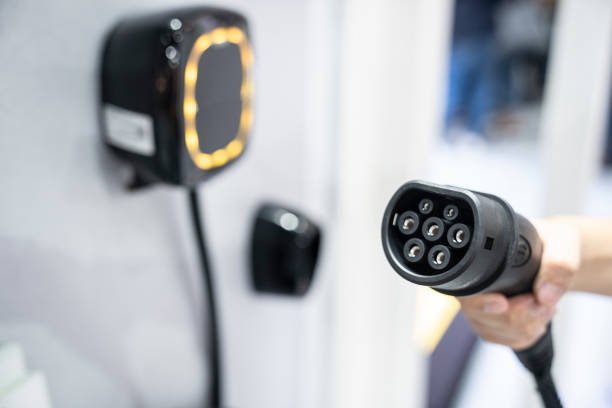
A Type 2 EV charger refers to an electric vehicle charging system that uses the Type 2 connector standardized under IEC 62196-2. Commonly known as the Mennekes connector, the Type 2 plug was originally developed in Germany and later adopted as the official charging standard across the European Union.
The Type 2 connector is designed primarily for alternating current (AC) charging and supports both single-phase and three-phase electrical systems. Its versatility allows it to be used in various charging environments ranging from slow residential charging to high-power public charging stations.
Today, nearly all electric vehicles and plug-in hybrid vehicles sold in Europe use the Type 2 charging interface. Many global automakers have also adopted Type 2 compatibility for vehicles sold outside Europe due to its widespread international acceptance.
The Type 2 connector contains seven pins that manage power delivery, communication, grounding, and safety monitoring between the vehicle and charging station.
The growth of electric mobility created the need for standardized charging connectors that could support interoperability between vehicles and charging stations. In the early stages of EV development, several charging connector types competed across different regions.
North America primarily adopted the SAE J1772 Type 1 connector, while Europe standardized around the Type 2 system. Meanwhile, DC fast charging technologies evolved separately with CCS, CHAdeMO, and GB/T standards.
The European Commission officially selected Type 2 as the standard AC charging connector because of its advantages:
- Support for single-phase and three-phase charging
- Higher power handling capabilities
- Robust safety mechanisms
- Better compatibility with public infrastructure
- Future scalability for smart charging technologies
As a result, Type 2 chargers rapidly became the foundation of Europe's EV charging ecosystem.
The Type 2 connector features a compact and ergonomic design suitable for daily use in various environments.
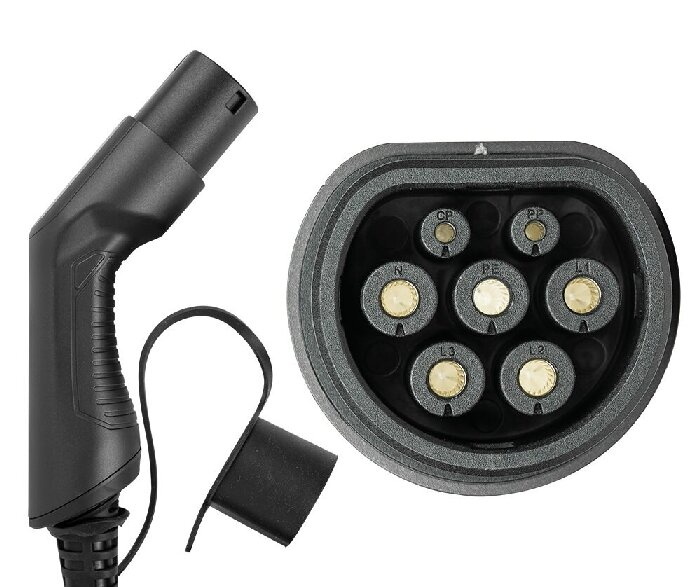
Seven-Pin Configuration
The connector includes seven electrical contacts:
- Three phase conductors
- One neutral conductor
- One protective earth conductor
- Two communication pins
These pins enable safe power transmission and communication between the vehicle and charger.
Locking Mechanism
Most Type 2 charging systems include an automatic locking mechanism that secures the connector during charging. This prevents accidental unplugging and improves user safety.
Durable Housing
The connector housing is typically manufactured from flame-retardant and weather-resistant materials designed for outdoor operation.
Communication System
The communication pins allow the charger and vehicle to exchange information regarding:
- Charging current limits
- Charging status
- Cable authentication
- Safety monitoring
- Smart charging control
Type 2 EV chargers are available in multiple power levels and configurations depending on charging requirements.
AC Charging Capabilities
Type 2 connectors are primarily designed for AC charging.
Single-Phase Charging
Single-phase charging is commonly used in residential installations.
Typical specifications include:
- Voltage: 230V
- Current: 16A to 32A
- Power output: 3.7 kW to 7.4 kW
Single-phase charging is suitable for overnight charging and daily commuting needs.
Three-Phase Charging
Three-phase charging is often used in commercial and public charging stations.
Typical specifications include:
- Voltage: 400V
- Current: 16A to 32A
- Power output: 11 kW to 22 kW
Three-phase systems provide significantly faster charging speeds compared to single-phase charging.
Although Type 2 itself is mainly an AC charging standard, it also serves as the basis for CCS (Combined Charging System) charging.
CCS combines the Type 2 upper connector with additional DC power pins to enable ultra-fast charging.
Modern CCS charging systems can deliver:
- 50 kW
- 150 kW
- 250 kW
- Up to 350 kW ultra-fast charging
This allows EV batteries to charge from 10% to 80% within approximately 20 to 40 minutes depending on vehicle battery size and charging power.
Type 2 charging systems support several charging modes defined by international standards.
Mode 1 Charging
Mode 1 charging involves direct connection to a standard electrical outlet without advanced communication or protection systems. This method is rarely used today due to safety limitations.
Mode 2 Charging
Mode 2 charging uses a portable charging cable with integrated protection devices. It is commonly used for residential charging from standard wall outlets.
Mode 3 Charging
Mode 3 charging is the most common Type 2 charging method. It uses dedicated EV charging stations with intelligent communication and safety systems.
Mode 3 charging supports:
- Smart charging
- Load balancing
- User authentication
- Remote monitoring
- Energy management
Mode 4 Charging
Mode 4 refers to DC fast charging using CCS technology.
The charging process involves several coordinated steps between the charger and the vehicle.
The user plugs the Type 2 connector into the vehicle charging port.
The charger and vehicle communicate to determine:
- Maximum charging current
- Battery condition
- Safety status
- Charging authorization
The system checks grounding, insulation, connector locking, and circuit integrity before power delivery begins.
Electricity flows from the charger to the vehicle battery through the onboard charger for AC charging.
Once charging is complete or interrupted, the charger safely disconnects power and unlocks the connector.
Type 2 chargers offer several important benefits that contribute to their widespread adoption.
Universal Compatibility
Most modern EVs sold in Europe support Type 2 charging, making it highly interoperable across different vehicle brands and charging networks.
Flexible Charging Power
Type 2 chargers support a wide range of charging speeds suitable for residential, workplace, and public charging.
Faster Charging Capability
Three-phase charging enables significantly faster charging compared to older charging systems.
Smart Charging Integration
Modern Type 2 chargers support intelligent energy management functions including:
- Dynamic load balancing
- Scheduled charging
- Renewable energy integration
- Remote diagnostics
- Mobile app control
Enhanced Safety
Advanced safety systems protect users, vehicles, and electrical infrastructure.
Future-Proof Design
The Type 2 platform supports future developments including smart grids and vehicle-to-grid technologies.
Type 2 chargers are widely used in residential environments because of their convenience and efficiency.
Home Wall Chargers
Wall-mounted Type 2 chargers provide faster and safer charging compared to standard household outlets.
Common residential charging powers include:
- 3.7 kW
- 7.4 kW
- 11 kW
Overnight Charging
Home charging allows EV owners to recharge vehicles overnight when electricity demand and energy costs are lower.
Smart Home Integration
Many modern chargers integrate with smart home systems for automated energy optimization.
Commercial charging infrastructure is expanding rapidly as businesses support EV adoption.
Workplace Charging
Employers install Type 2 chargers to provide convenient charging for employees and visitors.
Shopping Centers
Retail locations use EV chargers to attract customers and increase visit duration.
Hotels and Hospitality
Hotels increasingly provide EV charging amenities for guests traveling with electric vehicles.
Fleet Charging
Commercial fleets use Type 2 charging systems to manage electric delivery vans, taxis, and service vehicles.
Public Type 2 charging stations are essential for long-distance EV travel and urban mobility.
Urban Charging Networks
Cities install public chargers in parking lots, streets, and transportation hubs.
Highway Charging Corridors
Highway charging stations support long-distance travel by providing fast and convenient charging access.
Destination Charging
Tourist destinations, restaurants, and entertainment venues increasingly offer EV charging services.
Safety is one of the most important aspects of EV charging system design.
Ground Fault Protection
The charger continuously monitors leakage currents and disconnects power if abnormalities occur.
Overcurrent Protection
Circuit breakers and protection systems prevent excessive current flow.
Temperature Monitoring
Temperature sensors monitor connectors and cables to prevent overheating.
Waterproof Design
Outdoor chargers are designed with IP-rated enclosures to resist water and dust.
Automatic Shutoff
Charging automatically stops if faults or unsafe conditions are detected.
Smart charging is becoming a major feature of modern Type 2 charging systems.
Load Balancing
Load balancing distributes electricity efficiently among multiple chargers to avoid overloading electrical systems.
Time-Based Charging
Users can schedule charging during off-peak electricity hours to reduce energy costs.
Mobile Applications
Smartphone apps allow users to:
- Monitor charging status
- Start or stop charging remotely
- View charging history
- Receive notifications
Renewable Energy Integration
Type 2 chargers can integrate with solar power systems and energy storage solutions.
Proper installation is critical for safe and reliable operation.
Electrical Capacity Assessment
The building's electrical system must be evaluated to ensure sufficient capacity for EV charging.
Dedicated Circuits
EV chargers should use dedicated circuits with appropriate protection devices.
Cable Management
Proper cable routing reduces safety risks and improves user convenience.
Indoor and Outdoor Installation
Chargers must be selected according to environmental conditions and protection requirements.
Compliance with Regulations
Installations must comply with local electrical codes and international safety standards.
Despite rapid growth, several challenges remain.
Grid Capacity Limitations
Large-scale EV adoption increases electricity demand and may require grid upgrades.
Installation Costs
Commercial charging infrastructure can involve significant installation expenses.
Charging Speed Limitations
AC charging remains slower than DC fast charging for long-distance travel.
Standardization Across Regions
Different charging standards in different countries can complicate international EV travel.
The future of Type 2 EV charging technology continues to evolve rapidly.
Higher Charging Efficiency
Manufacturers are improving energy conversion efficiency to reduce charging losses.
Ultra-Smart Charging Networks
Artificial intelligence and cloud connectivity will optimize charging performance and energy usage.
Vehicle-to-Grid Technology
Future chargers may allow EVs to supply electricity back to the grid during peak demand periods.
Renewable Energy Integration
More charging stations will integrate directly with solar and battery storage systems.
Wireless Charging Development
Wireless EV charging technologies may complement traditional cable-based charging systems in the future.
Type 2 charging infrastructure supports global sustainability goals.
Reduced Carbon Emissions
Electric vehicles produce lower emissions compared to conventional internal combustion engine vehicles.
Improved Urban Air Quality
EV adoption helps reduce pollution in densely populated cities.
Support for Renewable Energy
Smart charging systems can maximize renewable energy usage during charging.
Sustainable Transportation Transition
Reliable charging infrastructure accelerates the shift toward cleaner transportation systems.
Selecting the appropriate charger depends on several factors.
Users should consider daily driving distance and required charging speed.
The charger must match the vehicle's charging capabilities.
Indoor or outdoor installation affects enclosure and protection requirements.
Users may prefer chargers with app connectivity and energy management functions.
Charging systems vary significantly in cost depending on power level and features.
Type 2 EV chargers have become one of the most important components of modern electric vehicle infrastructure. Their flexible design, compatibility with both single-phase and three-phase power systems, strong safety features, and support for smart charging technologies have made them the dominant charging standard across Europe and many international markets.
From residential wall chargers to large-scale commercial charging networks, Type 2 charging systems provide reliable, efficient, and user-friendly solutions for electric vehicle owners. As EV adoption continues to accelerate worldwide, the demand for advanced charging infrastructure will continue growing rapidly.
Future developments including smart grid integration, renewable energy compatibility, vehicle-to-grid technology, and ultra-fast charging capabilities will further strengthen the role of Type 2 EV chargers in the global transition toward sustainable transportation.
As a leading EV charger manufacturer in China, Topper continuously provides advanced Type 2 EV charging solutions designed for safety, reliability, high efficiency, and intelligent energy management to support the rapidly growing electric mobility industry worldwide.