
EV Charging Reliability Challenges and Industry Solutions in 2026
The global shift to electric mobility is accelerating as governments tighten emissions rules, automakers invest heavily in EVs, and consumers adopt cleaner transport. However, charging reliability remains a key factor affecting driver confidence and long-term EV adoption.
Although public EV charging reliability has improved, about 78%–80% of charging attempts are successful, meaning roughly one in five still fails due to issues like payment errors, damaged connectors, software glitches, or network outages.
DC fast chargers are especially critical for long-distance travel and fleets but often face inconsistent uptime, while integrated networks like Tesla's Superchargers show higher reliability through tighter system control and standardization.
The industry is shifting from simple uptime reporting toward real first-attempt charging success rates, as users and regulators demand more accurate performance metrics. Today's EV drivers expect charging to be as simple and dependable as refueling a gasoline car, making reliability essential for private users, fleets, and public transport systems alike.
As EV adoption grows, charging reliability is becoming a core factor in building trust, improving efficiency, and supporting the global transition to sustainable mobility.
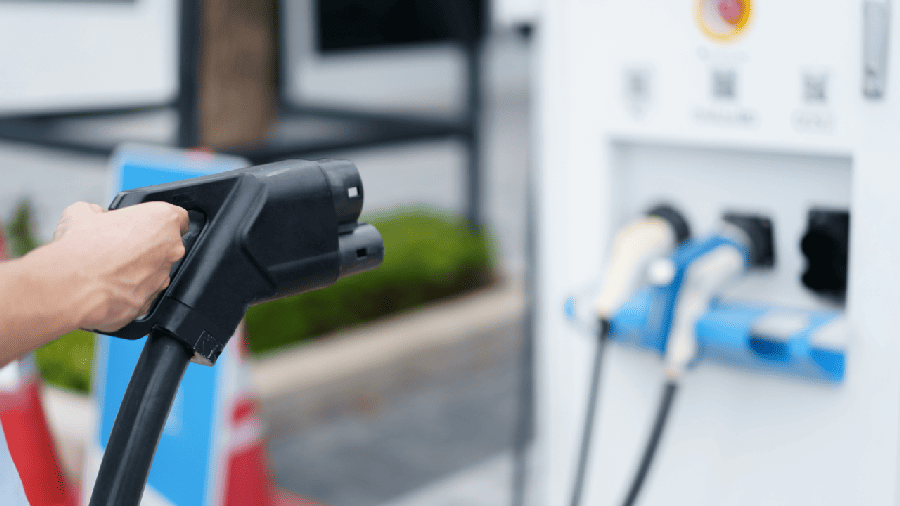
Reliability refers to the ability of a system to consistently perform its intended function without failure or interruption over a specified period of time. In the context of electric vehicle charging infrastructure, reliability describes the capability of charging stations to deliver safe, efficient, and uninterrupted charging services whenever users need them.
EV charging reliability encompasses several interconnected factors, including:
- Charger uptime and operational availability
- Successful charging session initiation
- Stable power delivery throughout charging
- Accurate payment processing
- Functional connectors and cables
- Software and network communication stability
- Consistent charging speed performance
- Remote monitoring and diagnostics capability
- Maintenance responsiveness
A reliable charging station should allow drivers to connect their vehicles, authenticate payment or access credentials, initiate charging quickly, and complete the charging session without interruption. Even minor failures can significantly affect customer satisfaction, especially when drivers have limited charging alternatives nearby.
For EV fleet operators, charging reliability is closely linked to business continuity. Delivery vehicles, buses, taxis, and logistics fleets rely on predictable charging schedules to maintain operations. Unexpected charger failures can disrupt transportation schedules, increase operational costs, and reduce vehicle utilization rates.
Reliability also affects public perception of electric vehicles. Many potential EV buyers remain concerned about charging availability and charging convenience. Frequent charging failures or inconsistent charging performance can reinforce consumer anxiety and slow EV adoption rates.
One of the biggest barriers to EV adoption has historically been range anxiety, the fear that a vehicle may run out of power before reaching a charging station. However, as battery ranges continue to improve, charging reliability is increasingly replacing range anxiety as the primary concern for many EV drivers.
Drivers are more likely to trust EVs when they know charging stations will function consistently. Reliable infrastructure encourages confidence in road trips, commuting, and daily transportation needs. Conversely, repeated charging failures can discourage consumers from transitioning away from internal combustion vehicles.
DC Fast Charging infrastructure plays a vital role in enabling long-distance EV travel. Unlike home charging, public fast chargers are often used under time-sensitive conditions, making reliability extremely important. A failed highway charger can create major inconvenience for travelers, especially in remote regions with limited charging alternatives.
Reliable fast-charging networks help eliminate travel uncertainty and improve the practicality of electric vehicles for broader consumer markets.
Commercial EV fleets depend heavily on dependable charging systems. Delivery companies, transit agencies, logistics providers, and ride-sharing services all require consistent charging access to maintain schedules and maximize vehicle productivity.
Charging disruptions can lead to:
- Delayed deliveries
- Reduced route efficiency
- Increased labor costs
- Additional backup vehicle requirements
- Customer dissatisfaction
For fleet operators, reliable charging infrastructure is directly tied to operational profitability.
Charging reliability is a critical factor influencing public EV adoption. Governments worldwide are investing heavily in charging infrastructure expansion, but infrastructure quantity alone is insufficient. Users must trust that charging stations will work properly when needed.
Improving reliability helps strengthen confidence among:
- Individual consumers
- Fleet operators
- Commercial property owners
- Transportation agencies
- Investors
- Automakers
Reliable infrastructure creates a positive ownership experience, which supports long-term market growth.
Although charging technology continues to improve, multiple technical and operational factors can reduce charging reliability.
Charging stations operate in a wide variety of environmental conditions and are exposed to heavy daily usage. Over time, components can wear out or become damaged.
Common hardware-related problems include:
- Broken charging connectors
- Damaged cables
- Faulty cooling systems
- Power module failures
- Display screen malfunctions
- Connector locking mechanism issues
Fast chargers are particularly vulnerable because they handle significantly higher power levels and thermal loads.
Modern EV chargers rely heavily on software for authentication, billing, communication, diagnostics, and power management. Software instability can create multiple operational issues.
Typical software problems include:
- Frozen user interfaces
- Failed charging session authorization
- Communication errors between charger and vehicle
- Network connectivity interruptions
- Firmware compatibility problems
- Cloud server outages
Even when hardware is fully functional, software glitches can prevent successful charging sessions.
Payment failures remain one of the most common customer complaints associated with public charging infrastructure. Drivers may encounter:
- Credit card reader failures
- Mobile app connection issues
- Subscription authentication errors
- Incompatible payment systems
- Delayed transaction approvals
Complex payment procedures can frustrate users and reduce the perceived reliability of charging networks.
Charging stations depend on stable electrical infrastructure. Power disruptions, voltage fluctuations, and local grid constraints can affect charging performance.
In some regions, aging electrical infrastructure may struggle to support growing fast-charging demand, particularly during peak electricity consumption periods.
Many charger reliability problems result from insufficient maintenance practices. Public charging stations require regular inspection, testing, cleaning, and software updates.
Without proactive maintenance:
- Minor defects may worsen over time
- Physical damage may remain unresolved
- Performance degradation can go unnoticed
- Fault detection may be delayed
Effective maintenance programs are essential for sustaining long-term reliability.
Charging network operators often advertise uptime percentages exceeding 90% or even 95%. However, reported uptime does not always reflect the actual user experience.
A charger may technically be considered operational even if:
- Payment systems are malfunctioning
- Charging speeds are significantly reduced
- Only one connector is functional
- Sessions frequently fail to initiate
- Communication errors interrupt charging
This distinction has led industry experts to emphasize first-attempt charging success rates rather than simple uptime metrics.
First-attempt success rate measures whether drivers can successfully start charging without encountering errors or requiring repeated attempts. This metric provides a more accurate representation of real-world reliability from the customer perspective.
Governments and regulatory agencies increasingly recognize the importance of these user-centered performance indicators.
DC Fast Charging infrastructure faces greater reliability challenges than Level 2 AC charging systems due to its complexity and higher operating demands.
DC fast chargers deliver substantially more power than standard AC chargers, often ranging from 50 kW to over 350 kW. These high-power systems generate significant heat and require advanced thermal management systems.
Cooling system failures can quickly reduce charger performance or force shutdowns to protect equipment.
Frequent cable handling, connector insertion, and outdoor exposure place considerable stress on fast-charging equipment. High-current connectors are larger, heavier, and more susceptible to wear.
Different EV models may have varying communication protocols, charging curves, and software requirements. Compatibility inconsistencies can sometimes cause charging session failures.
Although industry standardization continues to improve, interoperability remains an ongoing challenge.
Fast chargers located along highways or urban corridors often experience heavy utilization during peak travel periods. High usage rates accelerate equipment wear and increase maintenance demands.
Tesla's Supercharger network is frequently recognized as one of the most reliable public charging systems globally. Several factors contribute to its strong performance.
Tesla controls much of its charging ecosystem, including:
- Vehicle software
- Charging hardware
- Network management systems
- Payment integration
- User interface design
This integration allows for streamlined compatibility and faster troubleshooting.
Tesla charging sessions typically begin automatically when vehicles are connected, minimizing authentication and payment complexity.
Reducing user interaction steps helps decrease operational errors and session failures.
Tesla employs extensive remote monitoring systems that continuously track charger performance and identify faults quickly. Rapid maintenance response helps maintain higher operational availability.
Using standardized hardware and software architecture across the network improves consistency and simplifies maintenance procedures.
Other charging providers are increasingly adopting similar integrated operational strategies to improve reliability.
Governments worldwide are introducing stricter standards to improve public charging infrastructure performance.
United States NEVI Program
The National Electric Vehicle Infrastructure (NEVI) program in the United States requires federally funded charging stations to achieve at least 97% uptime.
The program also emphasizes:
- Open payment systems
- Interoperability standards
- Data reporting requirements
- Reliable maintenance practices
These standards aim to improve the overall charging experience and increase public confidence.
European Union Initiatives
European regulators are also strengthening reliability requirements through infrastructure regulations focused on:
- Transparent pricing
- Standardized connectors
- Real-time charger status information
- Network interoperability
The European Union continues to prioritize user convenience and infrastructure quality as EV adoption expands.
Asia-Pacific Developments
Countries including China, South Korea, and Japan are investing heavily in charging infrastructure modernization and reliability improvement programs. Advanced digital monitoring technologies and smart-grid integration are becoming increasingly important.
Predictive maintenance is emerging as one of the most effective strategies for improving charging reliability.
By using sensors, real-time diagnostics, and artificial intelligence, operators can detect potential failures before they occur.
Predictive maintenance systems monitor:
- Temperature fluctuations
- Power delivery stability
- Connector wear
- Cooling system performance
- Communication errors
- Energy consumption anomalies
This approach reduces unexpected downtime, lowers repair costs, and improves customer satisfaction.
Artificial intelligence and machine learning technologies are expected to play a larger role in future charging network management.
Modern charging networks increasingly rely on cloud-connected monitoring systems that provide real-time operational visibility.
Remote monitoring allows operators to:
- Detect failures immediately
- Restart systems remotely
- Diagnose software problems
- Monitor energy usage
- Schedule maintenance efficiently
- Analyze charger utilization trends
Smart diagnostics reduce repair response times and improve overall network efficiency.
Many next-generation charging stations now include self-diagnostic capabilities that automatically identify and report operational issues.
Interoperability refers to the ability of chargers, vehicles, software platforms, and payment systems to work seamlessly together.
Lack of interoperability can create reliability issues when:
- Vehicles cannot communicate properly with chargers
- Authentication systems fail
- Software platforms are incompatible
- Roaming agreements are limited
- Industry standards such as:
- OCPP (Open Charge Point Protocol)
- ISO 15118
- CCS (Combined Charging System)
are helping improve compatibility across the charging ecosystem.
Open standards encourage broader equipment compatibility and reduce vendor lock-in, ultimately supporting more reliable charging experiences.
Fleet charging infrastructure requires particularly high reliability because operational disruptions can affect large numbers of vehicles simultaneously.
Fleet operators often implement:
- Redundant charging systems
- Smart load management
- Dedicated maintenance teams
- Energy storage integration
- Predictive scheduling software
Depot charging systems must support high daily charging volumes while maintaining consistent performance.
As commercial electrification expands, fleet charging reliability will become increasingly important in sectors such as:
- Logistics
- Public transportation
- Ride-sharing
- School buses
- Municipal services
Charging reliability extends beyond technical performance. User experience also plays a major role in customer satisfaction.
Drivers expect:
- Easy charger location
- Accurate availability information
- Simple payment systems
- Clear instructions
- Reliable customer support
- Consistent charging speeds
Even minor usability issues can negatively affect perceptions of reliability.
Charging network operators are increasingly investing in:
- Improved mobile applications
- Contactless payment systems
- Real-time charger status updates
- Multilingual support
- Enhanced customer service platforms
A seamless user experience helps strengthen consumer trust in electric mobility.
As charging infrastructure becomes more connected, cybersecurity is emerging as an important reliability consideration.
Charging stations connected to cloud networks may face risks including:
- Unauthorized access
- Payment fraud
- Data breaches
- Malware attacks
- Remote system disruption
Cybersecurity failures can lead to charger downtime and reduced customer confidence.
To address these concerns, operators are implementing:
- Secure communication protocols
- Encryption technologies
- Authentication systems
- Continuous network monitoring
- Software security updates
Cybersecurity resilience is becoming an essential component of charging reliability management.
Several emerging technologies are expected to enhance charging reliability in the coming years.
Artificial Intelligence
AI-driven analytics can improve fault prediction, optimize maintenance scheduling, and enhance power management efficiency.
Modular Charger Design
Modular charging systems allow operators to replace individual power modules rather than entire chargers, reducing repair times and improving uptime.
Solid-State Components
Advanced solid-state power electronics may improve efficiency, thermal performance, and long-term durability.
Wireless Charging
Wireless EV charging technology could reduce mechanical wear associated with cables and connectors, potentially improving long-term reliability.
Vehicle-to-Grid Integration
Vehicle-to-grid (V2G) systems may help stabilize electrical grids and improve charging infrastructure resilience during periods of high demand.
Charging reliability directly affects the financial performance of charging network operators.
Reliable infrastructure can:
- Increase charger utilization
- Improve customer retention
- Reduce maintenance costs
- Enhance revenue generation
- Strengthen investor confidence
Conversely, unreliable chargers can lead to:
- Negative customer reviews
- Reduced station usage
- Increased operational expenses
- Brand reputation damage
As competition among charging providers intensifies, reliability is becoming a key differentiator in the market.
EV charging reliability is now a key factor shaping the success of electric mobility. Although public charging networks have improved, issues such as hardware failures, software glitches, payment errors, interoperability gaps, and maintenance limitations still impact user experience.
The industry is shifting from simple uptime metrics to more meaningful measures like first-attempt charging success rates, reflecting real-world performance. Governments and operators increasingly recognize that reliable charging infrastructure is essential for accelerating EV adoption.
DC fast charging networks face higher reliability demands due to heavy usage and technical complexity, but innovations such as predictive maintenance, remote diagnostics, AI monitoring, and modular hardware are helping improve performance.
Reliable charging benefits individual drivers, commercial fleets, public transport systems, and the wider energy ecosystem. As EV adoption grows, charging reliability will remain a top industry priority, supporting a cleaner, more dependable transportation future.
