
Portable Home EV Chargers: Flexible, Convenient Charging for Electric Vehicles
The electric vehicle (EV) revolution is transforming how we think about transportation, energy consumption, and mobility. As EV adoption grows globally, one of the most critical components of a seamless EV experience is access to reliable, convenient charging infrastructure. While public charging stations and home-installed Level 2 chargers play vital roles, portable EV chargers are becoming increasingly popular for drivers seeking flexibility, mobility, and convenience.
Portable EV chargers are compact, lightweight devices designed to provide electricity to an EV wherever it is needed. Unlike traditional charging stations that are permanently installed at specific locations, portable chargers allow users to charge their vehicles at home, at work, or even in remote outdoor locations. This mobility is particularly valuable for drivers who travel frequently, live in multi-unit dwellings without dedicated charging infrastructure, or want a backup solution in case of unexpected low battery situations.
By providing the ability to charge anywhere a compatible electrical outlet is available, portable EV chargers combine practicality with independence, offering drivers peace of mind and enabling a more flexible EV lifestyle.
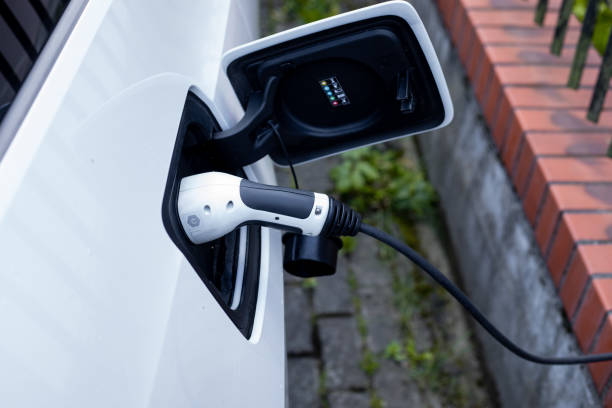
The most obvious advantage of portable chargers is their flexibility. Unlike fixed charging stations, which require installation and limited access, portable chargers can be carried in a car trunk or stored conveniently in a garage. This flexibility allows drivers to adapt to various charging scenarios, such as:
- Charging at a friend's or relative's home
- Plugging in at workplace parking lots
- Using a campsite or outdoor recreational area with available power
- Serving as a backup charger when traveling
For EV owners, this means fewer limitations on travel routes and fewer concerns about running low on battery power in unfamiliar locations. Portable chargers expand the potential for EV adoption by addressing one of the main barriers for new buyers: accessibility to reliable charging.
Even with an extensive network of public chargers, EV drivers may occasionally face situations where their battery is low, and a station is not nearby. Portable EV chargers act as a critical safety net, allowing drivers to recharge their vehicles using a standard electrical outlet. This capability can alleviate range anxiety and provide reassurance, particularly for drivers in suburban or rural areas where public infrastructure is still developing.
Installing a permanent Level 2 home charger can require electrical upgrades, professional installation, and substantial upfront costs. Portable EV chargers offer a more budget-friendly alternative, allowing EV owners to charge their vehicles using existing electrical outlets. While charging may be slower than a dedicated Level 2 station, it provides a practical option for daily use and long-distance travel planning without heavy installation expenses.
Selecting the right portable EV charger is crucial to ensure safety, efficiency, and compatibility. Drivers should consider several factors before making a purchase.
Charging speed is one of the most important factors to consider. Portable chargers vary widely in the amount of electrical current they can deliver, usually measured in amps. Higher amperage chargers provide faster charging times, reducing downtime for the vehicle.
For instance, a Level 2 portable charger delivering up to 32 amps can provide significantly faster charging than a standard 120V Level 1 charger. While slower chargers may be sufficient for overnight charging or short commutes, higher-powered chargers are recommended for drivers who require quicker turnaround times.
Ensuring that a portable charger is compatible with your EV is critical. Most portable chargers are designed to work with standard charging connectors, such as J1772 for most vehicles in North America or NACS for Tesla and other compatible models.
Drivers should verify that their charger supports their vehicle's charging protocol and voltage requirements. Many modern portable chargers come with adapters or built-in compatibility features, making them versatile across different EV brands and models.
Portable chargers are often used outdoors, exposing them to environmental factors such as rain, dust, and extreme temperatures. Selecting a charger with a robust, weather-resistant design ensures safe operation and long-lasting performance.
Features to look for include:
- IP-rated enclosures for water and dust protection
- Reinforced cables and connectors
- Heat-resistant housings for safe operation in hot climates
- Shock- and impact-resistant construction
A durable charger not only ensures safety but also protects your investment over time.
Portability is a defining feature of these chargers. Drivers should consider the weight, size, and storage convenience when selecting a unit. Compact chargers with manageable cables can easily fit in a trunk, garage shelf, or storage compartment without taking up excessive space.
Some models include carrying handles, cable management systems, or folding connectors to enhance portability and reduce clutter. A lightweight, easy-to-handle charger increases usability and encourages regular use.
Portable home EV chargers offer several unique benefits that fixed chargers cannot fully replicate.
Unlike stationary charging stations, portable chargers allow EV drivers to recharge virtually anywhere with access to compatible electrical outlets. This makes them ideal for road trips, vacation homes, or situations where a fixed charger is unavailable.
Portable chargers typically cost less than permanent Level 2 installations. They also reduce the need for costly electrical work, such as adding dedicated circuits or upgrading panels. This makes them a more affordable option for EV owners on a budget.
Apartment and condo residents often face difficulties installing fixed home chargers due to building restrictions or lack of dedicated parking. Portable chargers allow these residents to plug into existing outlets temporarily or use shared electrical infrastructure without violating property rules.
Portable chargers serve as a reliable backup in emergency situations, such as power outages at home or inaccessible public charging stations. Having a portable charger can prevent being stranded with a depleted battery.
For adventure-oriented drivers, portable chargers can be used at campsites, rural areas, or recreational facilities with electrical access. This flexibility expands EV usability in remote locations where traditional charging stations are unavailable.
Safety is a top priority when using any EV charging device. Portable chargers are equipped with multiple safety mechanisms to protect both the vehicle and the user.
High-quality portable chargers include overcurrent protection to prevent electrical overloads, which can damage the vehicle's battery or the charger itself.
Ground fault circuit interrupters (GFCI) are commonly integrated into portable chargers to prevent electrical shocks in wet or outdoor environments.
Some portable chargers include temperature sensors that monitor the device and cable during charging. If excessive heat is detected, the charger can automatically reduce power or shut down to prevent damage or fire risks.
Advanced portable chargers incorporate short-circuit detection to instantly halt power delivery if a fault is detected, ensuring both vehicle and user safety.
For daily commuting, a portable charger allows drivers to charge at home without committing to a permanent installation. This is particularly useful for renters or homeowners without garage access.
Employers can offer portable chargers for employees who need to recharge their vehicles during the day. Portable chargers can be easily shared among staff without permanent infrastructure changes.
Portable chargers are invaluable for long-distance travel. EV drivers can charge at hotels, rest stops, or other locations with accessible electrical outlets, extending their range and reducing reliance on public charging networks.
Keeping a portable charger in the trunk provides peace of mind in emergencies. Drivers can recharge wherever electricity is available, even during unexpected detours or situations where public chargers are unavailable.
Portable EV chargers are becoming increasingly sophisticated, with features that rival stationary charging stations.
Many portable chargers now include Wi-Fi or Bluetooth connectivity, allowing users to monitor charging status, schedule charging sessions, and receive alerts through mobile apps.
Modern chargers can automatically adjust current and voltage to optimize charging speed while protecting the vehicle's battery. This ensures efficient, safe, and compatible charging across multiple EV models.
Manufacturers continue to improve the portability of these devices, producing lightweight units with integrated cable management, ergonomic handles, and compact storage solutions.
Some chargers include multiple connector types, such as J1772, NACS, and CHAdeMO adapters, enabling drivers to charge different EV brands with a single device.
By supporting EV adoption, portable chargers contribute to lower emissions and cleaner air. They enable more people to rely on electric mobility, which reduces dependence on fossil fuels.
Portable chargers can reduce charging costs by enabling off-peak electricity usage, allowing drivers to take advantage of lower energy rates. Over time, this provides significant savings compared to fuel expenses or public charging fees.
The flexibility and convenience of portable chargers make EVs more accessible to a broader audience, particularly those in apartments, urban areas, or remote locations. By addressing charging infrastructure limitations, portable chargers accelerate the transition to sustainable transportation.
The market for portable EV chargers is expected to grow alongside the expanding EV industry. Key trends include:
Portable chargers are now available with higher amperage, reducing charging time while maintaining portability. Future devices may rival some stationary Level 2 chargers in speed.
Solar-powered portable chargers and battery storage solutions are emerging, allowing drivers to charge vehicles using renewable energy even in off-grid locations.
Smart chargers with app-based controls, real-time monitoring, and remote troubleshooting are becoming standard, improving user experience and reliability.
Governments worldwide are offering incentives, rebates, and grants for home and portable EV chargers, making them more accessible to consumers.
Portable home EV chargers provide unmatched flexibility, convenience, and peace of mind for electric vehicle drivers. By combining mobility, affordability, and advanced technology, they complement stationary charging infrastructure and expand EV usability in homes, workplaces, and remote locations.
Key benefits include rapid charging capabilities, compatibility with multiple EV models, durability for outdoor use, and portability for travel or emergencies. As EV adoption continues to rise, portable chargers will play an increasingly important role in the transition to sustainable transportation, enabling more drivers to embrace the electric mobility revolution without limitations.
From daily commuting to long-distance travel, emergencies, and recreational use, portable EV chargers are a versatile and indispensable tool for modern EV owners. Their continued evolution and adoption will be a critical driver in the growth of the global EV ecosystem, ensuring reliable, efficient, and flexible charging solutions for years to come.
