Why Off-Grid Mobile EV Chargers Are Essential for the Future of EV Charging
The rapid global transition toward electric mobility has created unprecedented demand for accessible and reliable charging infrastructure. While urban centers are rapidly expanding fixed EV charging networks, many regions still face challenges in deploying traditional charging stations. Grid limitations, high installation costs, permitting delays, and infrastructure constraints often slow the expansion of charging networks, especially in remote areas, temporary locations, or locations with fluctuating demand.
To address these challenges, the Off-Grid Mobile EV Charger has emerged as an innovative and practical solution. Combining advanced battery energy storage systems with high-performance DC fast-charging technology, off-grid mobile chargers provide flexible, portable, and independent charging capabilities without relying on permanent electrical grid connections.
Unlike traditional fixed charging stations that require extensive civil engineering and electrical infrastructure, mobile charging units can be transported, deployed, and activated quickly. They offer a flexible way to support electric vehicle drivers in a wide variety of scenarios, including roadside assistance, construction sites, large-scale events, remote industrial operations, and areas where the power grid is limited or unavailable.
As electric vehicles continue to grow in popularity worldwide, off-grid mobile EV chargers are becoming a key component in bridging infrastructure gaps while supporting the long-term development of sustainable transportation systems.
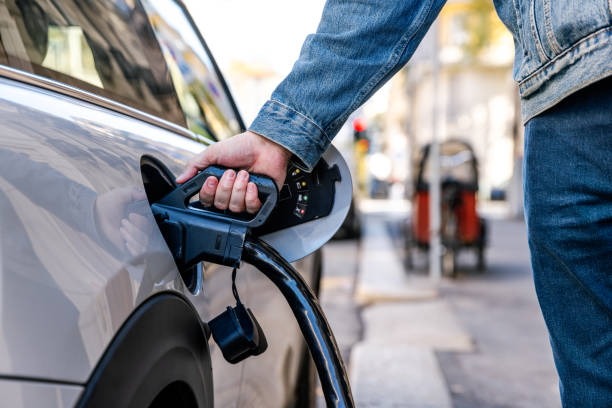
Off-grid mobile EV chargers combine energy storage and fast-charging capability in a compact, self-contained system. These EV chargers typically integrate high-capacity lithium battery packs, intelligent power management systems, and DC fast-charging modules, allowing them to deliver reliable charging performance wherever it is needed.
These solutions are particularly valuable in situations where conventional infrastructure is impractical or insufficient. Their unique advantages include independence, flexibility, rapid deployment, and energy optimization.
One of the most significant benefits of off-grid mobile EV chargers is their ability to operate independently from traditional electrical infrastructure. Since these units rely on pre-stored energy within onboard battery systems, they do not require a direct connection to the electrical grid during operation.
This independence makes them ideal for remote locations such as rural highways, construction zones, mining operations, disaster response areas, or developing regions where building a permanent charging station may be economically or technically challenging.
Additionally, off-grid systems provide a valuable backup solution in cases of power outages or grid instability, ensuring that electric vehicle users maintain access to charging even during emergency situations.
Another important advantage of mobile charging solutions is their flexibility. Unlike fixed charging stations that are permanently installed, off-grid chargers can be transported between locations depending on real-time demand.
Fleet operators, municipalities, event organizers, and charging service providers can move mobile charging units to areas where charging demand is temporarily high. For example, they can be deployed during festivals, sporting events, exhibitions, or seasonal tourism periods when local charging infrastructure may become overloaded.
Similarly, mobile chargers can support new EV markets by providing temporary infrastructure while permanent charging networks are being planned or constructed.
Traditional EV charging stations often require complex installation processes that involve trenching, electrical upgrades, permitting, inspections, and construction work. These steps can take months or even years before a charging station becomes operational.
Off-grid mobile EV chargers eliminate many of these barriers. Since the system is self-contained and pre-engineered, deployment can be completed within hours rather than months. In many cases, the charger simply needs to be transported to the desired location and activated.
This rapid deployment capability makes mobile charging particularly valuable for pilot programs, infrastructure testing, and emergency support situations where immediate charging availability is required.
Off-grid mobile charging systems also offer significant benefits in energy management. Many systems allow their internal batteries to be charged during off-peak hours when electricity prices are lower and renewable energy availability is higher.
Once the energy is stored, it can be delivered to EV users during peak demand periods. This approach helps reduce operating costs while supporting more efficient energy utilization.
In regions with high penetration of renewable energy sources such as solar or wind power, mobile charging systems can also integrate renewable generation to further enhance sustainability.
As electric vehicle adoption grows, power grids in some areas may struggle to accommodate sudden spikes in charging demand. Large numbers of fast chargers drawing power simultaneously can place significant stress on local electrical infrastructure.
Off-grid mobile chargers can help alleviate this pressure by acting as distributed energy resources. By storing energy in advance and delivering it when needed, they smooth demand peaks and reduce strain on the grid.
In dense urban environments where grid upgrades are expensive and time-consuming, mobile charging systems offer an effective method for expanding EV charging capacity without overloading existing infrastructure.
Off-grid mobile EV charging solutions prioritize practical usability over maximum charging speed. While some fixed charging stations can deliver extremely high power levels exceeding 350 kW, mobile systems focus on providing sufficient power to restore mobility quickly and efficiently.
Most mobile DC chargers deliver moderate fast-charging power levels, typically ranging from 20 kW to 120 kW depending on the system design and battery capacity.
This level of charging power is often sufficient to provide meaningful driving range within a short time, allowing drivers to continue their journey safely. In many roadside assistance scenarios, the goal is not necessarily to fully recharge a vehicle but to provide enough energy to reach the nearest charging station or return home.
By prioritizing restored mobility rather than maximum charging speed, mobile EV chargers deliver a practical and highly valuable service to EV drivers.
To achieve reliable performance and portability, off-grid mobile EV chargers integrate several advanced technologies into a single system.
At the heart of every off-grid mobile charger is a high-capacity battery energy storage system. These batteries store electrical energy that can later be delivered to electric vehicles through fast-charging connectors.
Lithium-ion batteries are commonly used due to their high energy density, long cycle life, and reliable performance. Depending on the system size, energy storage capacity can range from tens of kilowatt-hours to several hundred kilowatt-hours.
The charging module converts stored battery energy into a stable DC output suitable for electric vehicles. Most mobile chargers support widely used standards such as CCS or CHAdeMO connectors, ensuring compatibility with a wide range of EV models.
Advanced charging electronics ensure efficient power delivery while maintaining safe operating conditions for both the charger and the vehicle.
Smart control systems play a crucial role in managing battery health, charging efficiency, and system safety. The energy management system monitors battery state-of-charge, temperature, power output, and system performance in real time.
These intelligent systems optimize energy distribution while protecting the equipment from overheating, overcharging, or other operational risks.
Mobility is a defining feature of off-grid chargers. These systems are typically designed with integrated wheels, trailers, or containerized platforms that allow easy transportation using trucks or service vehicles.
Robust enclosures protect internal components from weather conditions, dust, and mechanical impacts, ensuring reliable operation in a wide range of environments.
Off-grid mobile charging solutions serve a wide variety of applications across both commercial and public sectors.
One of the most common applications is roadside assistance for electric vehicles that have run out of battery power. Service providers can dispatch a mobile charger to quickly restore enough energy for the vehicle to reach a nearby charging station.
This service helps reduce range anxiety and enhances overall confidence in electric mobility.
Mobile chargers are ideal for temporary locations where permanent charging infrastructure is not available. Construction sites, remote work locations, and temporary transportation hubs can benefit greatly from mobile charging capabilities.
Concerts, sporting events, and festivals often attract large numbers of visitors traveling by electric vehicles. Mobile chargers provide an effective way to increase charging capacity during these events without requiring permanent installations.
Logistics companies, delivery services, and public transportation fleets increasingly rely on electric vehicles. Mobile chargers can support fleet operations by providing flexible charging options during peak periods or when primary charging stations are under maintenance.
Governments and energy companies often use mobile chargers during early-stage EV infrastructure planning. These systems allow stakeholders to test demand patterns and optimal locations before investing in permanent charging installations.
Off-grid mobile EV chargers contribute significantly to environmental sustainability. By supporting the growth of electric vehicle infrastructure, they help accelerate the transition away from fossil fuel transportation.
Additionally, many mobile charging systems are designed to integrate renewable energy sources such as solar panels or renewable grid charging. This reduces the overall carbon footprint associated with EV charging operations.
Energy storage capabilities also enable better use of intermittent renewable energy by capturing excess generation and delivering it when needed.
The future of off-grid mobile EV charging is closely linked with advances in battery technology, smart energy management, and renewable integration.
Battery energy density continues to improve, allowing mobile charging systems to store more energy in smaller and lighter packages. This will enhance portability while extending operational capacity.
Artificial intelligence and cloud-based monitoring systems will also play an increasing role in optimizing charger deployment. Real-time data analysis can help operators position mobile chargers exactly where demand is highest.
Additionally, vehicle-to-grid (V2G) and vehicle-to-mobile charging technologies may eventually allow electric vehicles themselves to share stored energy, further expanding the flexibility of mobile charging ecosystems.
As electric vehicle adoption accelerates worldwide, the need for flexible and scalable charging solutions becomes increasingly important. While fixed charging stations will continue to form the backbone of EV infrastructure, they cannot address every scenario or location.
Off-grid mobile EV chargers provide a powerful complementary solution by delivering portable, independent, and rapidly deployable charging capabilities. Their ability to operate without grid connections, adapt to changing demand, and support emergency charging makes them an essential tool for expanding EV accessibility.
By combining battery energy storage, intelligent power management, and practical mobility, off-grid mobile charging systems help bridge infrastructure gaps while supporting the broader transition toward sustainable transportation.
As technology continues to evolve, these innovative charging solutions will play an increasingly important role in building a resilient, efficient, and user-friendly electric mobility ecosystem.