Across the United States, Europe, and Asia, employers large and small are increasingly viewing electric vehicle (EV) charging stations at the workplace not as a fringe amenity but as a strategic investment. Once seen primarily as a perk for eco-friendly employees, workplace EV chargers have now become central to corporate sustainability goals, employee recruitment and retention strategies, and broader efforts to electrify transportation infrastructure.
This transition is occurring against a backdrop of rapid EV adoption and a global EV charging market projected to expand dramatically in the coming decade. Market forecasts show that the global EV charging stations sector is poised to grow from roughly USD 27.9 billion in 2025 to over USD 106 billion by 2033, reflecting both rising demand for electric mobility and intensified investment in EV infrastructure worldwide.
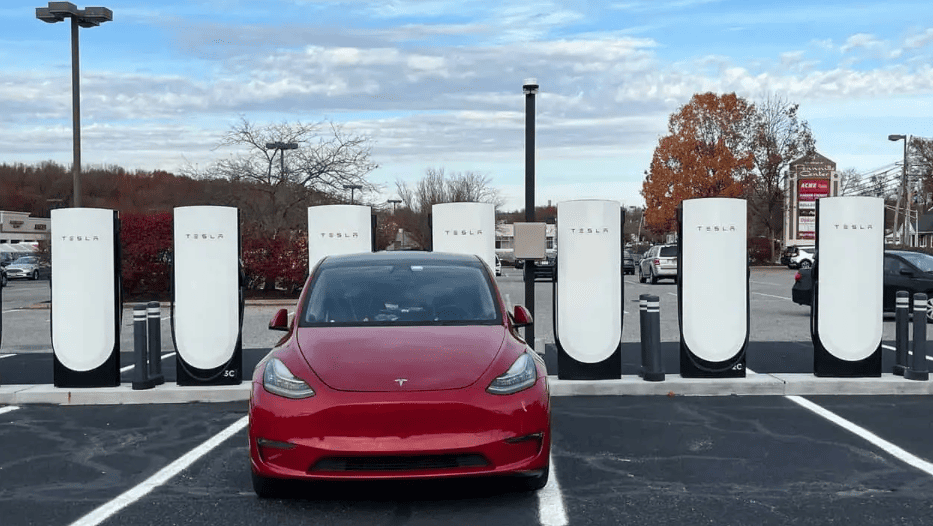
Electric vehicles are moving into the mainstream. With EV sales climbing steadily year-over-year and global targets pushing for reduced emissions, EV charging infrastructure is needed everywhere drivers go — not just at home or at public stations.
A key insight from Plug In America's 2023 EV driver survey shows that EV drivers value workplace charging highly: more than half use workplace chargers weekly, and a significant share do so daily.
This usage reflects both necessity and convenience. Many EV owners — especially those without off-street home charging — rely on workplace chargers to ensure their vehicle is topped up for the commute home and that range anxiety is minimized. Having access to charging during work hours can be decisive for EV ownership decisions, particularly in colder climates where battery efficiency drops and range shrinks.
Workplace EV charging stations have rapidly evolved into recruiting tools. As sustainability gains importance among job seekers, offering electric vehicle charging on site can make a company more attractive to top talent. Studies and corporate surveys increasingly show that prospective hires are more likely to choose employers with robust environmental and sustainability programs — with workplace charging often featured.
For example, many employers now include EV charging stations in corporate real estate strategies, particularly in markets with high EV adoption such as California, New York, and Washington. According to a report from real estate services firm CBRE, about 70% of prime U.S. office buildings now have charging ports, and more companies see these as desirable amenities that differentiate them from competitors.
Workplace charging delivers tangible benefits for employees: it reduces travel stress, cuts fuel costs, and enhances convenience. A report on the benefits of workplace EV chargers highlights how employees with access to charging at work enjoy more flexible routines and improved work-life balance, since they no longer need to depend on public chargers or worry about running low on battery during daily travel.
From the employer's perspective, this translates into higher satisfaction, reduced stress-related absenteeism, and increased productivity. Employees with EV charging access don't waste time and mental energy hunting for public chargers; instead, they arrive at work calm and focused, ready to perform.
Today's leading corporations are under intense pressure — from investors, customers, and regulators — to demonstrate genuine progress toward Environmental, Social, and Governance (ESG) commitments. Workplace EV charging plays directly into these sustainability narratives.
Installing EV chargers helps companies reduce carbon emissions indirectly by encouraging EV use among staff and reducing reliance on internal combustion engine vehicles. It also contributes toward green building certifications such as LEED (Leadership in Energy and Environmental Design), where EV charging infrastructure can earn valuable sustainability credits.
For organizations looking to build a culture of sustainability, workplace charging sends a visible signal to employees and stakeholders that environmental responsibility is not just rhetoric but action.
One of the strongest motivators for businesses to invest in workplace EV charging is the suite of financial incentives available. Federal, state, and local programs — particularly in the United States and Europe — offer substantial support, including:
For example, federal tax incentives in the U.S. can cover up to 30% of installation expenses, dramatically lowering upfront capital outlays and improving the payback period.
Properties equipped with EV chargers tend to attract higher tenant interest and achieve greater long-term value. With EV adoption continuing to outpace infrastructure, buildings capable of supporting employee EV charging offer a competitive edge in leasing and retention, particularly in tech-savvy and sustainability-minded markets.
In multi-tenant office parks, EV charging is often a draw for prospective tenants. It shows that property managers are forward-thinking and responsive to evolving transportation needs, strengthening the marketability of the space.
For organizations with company vehicles — whether delivery vans, sales cars, or employee fleet vehicles — workplace charging infrastructure doubles as fleet infrastructure. Integrating workplace chargers allows businesses to charge fleet vehicles overnight or during downtime, increasing utilization of existing infrastructure and reducing fleet operating costs.
Smart charging technologies, which manage load and schedule charging during cheaper utility rate windows, can further reduce electricity costs and flatten peak demand charges.
Despite the clear benefits, workplace charging also presents challenges. Installing EV chargers isn't as simple as plugging in a few outlets; it often requires electrical upgrades, coordination with utilities, and careful planning.
Companies seeking to deploy sizable charging installations may face long lead times for electrical service upgrades or transformer enhancements, particularly in older buildings not originally designed for high-power draws. Reports from industry practitioners reveal how grid interconnection issues and permitting delays can slow deployment timelines considerably.
This real-world challenge highlights the need for early engagement with utilities, electrical engineers, and planners to ensure sufficient capacity is available.
As adoption grows, some workplaces find that existing charging stations become congested, leading to informal "charger wars" where employees compete for limited stations. In some offices, charging is free, while others begin charging nominal fees — a shift that has resulted in mixed employee feedback.
To address this challenge, many organizations adopt policies such as reserved charging windows, reservation apps, or tiered access based on need. Some deploy networked chargers with user authentication to ensure fair use, while others ramp up capacity quickly as demand grows.
Another issue that officials and employers consider is safety. Workplace chargers must comply with local electrical codes and safety standards. Regular inspections and maintenance are mandatory — not only to protect users but to ensure liability and insurance compliance. For instance, some companies have even removed EV charging stations over fire safety concerns, triggering internal debates about risk management and employee perks.
Maintenance contracts with authorized installers and clear safety protocols become essential as workplace charging networks scale.
Public sector workplaces are also embracing innovative EV charging solutions. In early 2026, the New Jersey Department of the Treasury announced the purchase of multiple Beam Global EV ARC off-grid charging systems, designed to support resilient workplace electrification. These solar-powered, portable chargers provide reliable, utility-independent electricity, showcasing how agencies are integrating renewable energy and EV infrastructure to strengthen workplace resilience.
This project highlights a forward-looking approach that combines sustainability, emergency readiness, and workplace amenities — illustrating that workplace charging can extend beyond traditional grid-tied stations.
Across the Atlantic, Wales is seeing accelerated growth in workplace EV charging infrastructure, driven by rising EV adoption and net-zero commitments by regional governments, businesses, and institutions. Programs in Wales demonstrate how coordinated planning between public and private sectors can expand charging opportunities and support local economies.
This region's focus on workplace charging is part of a broader strategy to reduce emissions, meet climate goals, and ensure that EV drivers have charging options throughout their daily routines — including at work.
Governments haven't been silent observers. In the United States, the Department of Energy launched campaigns to educate employers about workplace charging benefits and resources available to implement programs successfully. Initiatives like Charge@Work provide planning tools, incentive information, and best-practice guidance to help organizations of all sizes deploy workplace EV charging.
These campaigns aim to make the business case straightforward and reduce the friction often associated with electric infrastructure planning.
Workplace EV charging isn't just about plugging in vehicles — it's about integrating intelligence. Smart charging systems now allow load balancing, dynamic pricing, grid interaction, and demand response participation. These technologies not only optimize energy use but can reduce utility costs and enhance sustainability reporting.
Research continues into advanced charging algorithms that reduce peak demand and operator costs at workplace sites, promising even greater efficiencies for businesses that adopt them.
With EV adoption projected to increase sharply over the next decade, charging infrastructure must scale accordingly. Industry data shows that workplace charging sessions grew faster than new installations in recent years — indicating that demand will continue to outpace supply if businesses don't accelerate their deployment plans.
By 2030, EV charging infrastructure at workplaces may become as ubiquitous as Wi-Fi in corporate parking lots — a fundamental part of a modern workplace ecosystem.
The explosion of EV adoption has transformed electric vehicle charging from an occasional convenience to a workplace necessity. Employers that invest in workplace charging infrastructure aren't just offering perks — they’re responding to shifting employee expectations, advancing corporate sustainability goals, and positioning themselves for a net-zero economy.
Despite challenges related to installation, grid integration, and utilization management, the benefits — from recruitment and retention to reduced emissions and operational efficiency — make workplace EV charging one of the most compelling corporate infrastructure trends of the decade.
As more companies recognize the value of workplace charging and implement thoughtful, scalable solutions, electric mobility will become woven into everyday life in ways that benefit employees, employers, communities, and the planet.