Mobile EV Charging Services: A Complete Guide to Portable Power Solutions
The rapid global adoption of electric vehicles (EVs) is transforming transportation, energy consumption, and infrastructure planning. As more drivers transition from gasoline-powered cars to battery-electric alternatives, the demand for reliable, accessible, and convenient charging solutions has grown exponentially. While fixed charging stations remain the backbone of EV infrastructure, they are not always available when and where drivers need them. This gap has paved the way for an emerging and highly practical solution: mobile EV charging.
Mobile EV charging represents a significant step forward in the evolution of electric mobility. Instead of requiring drivers to locate and travel to a stationary charging point, this service brings power directly to the vehicle's location. Whether an EV is parked at home, stranded roadside, stationed at a worksite, or attending a large-scale event, mobile charging units can deliver electricity on demand. By eliminating range anxiety and expanding charging accessibility, mobile EV charging is reshaping how drivers think about refueling their vehicles.
This article explores the concept of mobile EV charging, how it works, its technologies, benefits, challenges, applications, business models, and its growing role in the future of sustainable transportation.
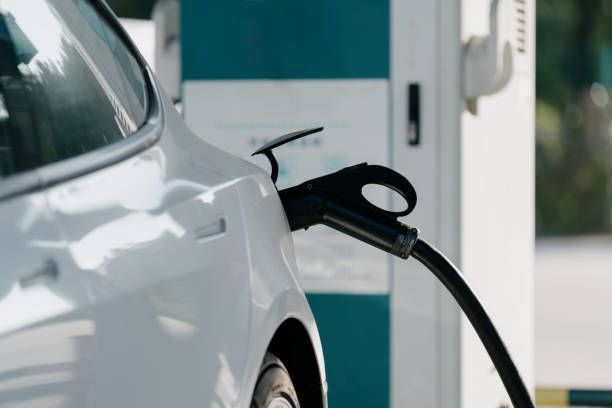
Mobile EV charging is an innovative service model in which electric vehicles are charged at their current location rather than at a permanent charging station. Instead of the vehicle traveling to power, power travels to the vehicle. This approach is particularly valuable in situations where fixed infrastructure is unavailable, inconvenient, or temporarily inaccessible.
Mobile charging solutions can take multiple forms. One common approach involves specially equipped vans or trucks fitted with high-capacity batteries and integrated charging systems capable of delivering electricity directly to EVs. Another method uses transportable charging stations that can be deployed temporarily in parking lots, construction sites, or remote areas. In some cases, battery-swapping systems are used, replacing a depleted battery with a fully charged one in minutes.
These flexible systems provide drivers with a convenient alternative to traditional charging, especially during emergencies or in regions where infrastructure is still developing.
The operation of mobile EV charging depends on the type of system deployed, but most solutions follow a similar workflow:
The driver requests a charge through a mobile app, website, or service hotline, specifying their location and vehicle type.
The service provider sends a mobile charging unit to the vehicle's location. Some systems use GPS tracking and route optimization to ensure fast response times.
Upon arrival, a technician connects the charger to the EV using a compatible connector.
Electricity is transferred from the mobile unit's battery or generator to the vehicle's battery. Charging speed varies depending on equipment capacity.
Once the vehicle reaches the requested charge level, the session ends and payment is processed digitally.
This streamlined process can often be completed within an hour, depending on the charging rate and battery size.
Mobile EV charging is not a single technology but rather a category of solutions designed for flexibility. The main types include:
These vehicles are equipped with large battery packs or power generation systems and one or more charging connectors. They function as mobile charging stations capable of serving multiple vehicles throughout a day. Many fleets use them for roadside assistance or fleet support.
Portable chargers are compact, transportable systems that can be delivered to a location and temporarily installed. They are commonly used at events, temporary parking areas, or construction sites.
Battery swapping replaces a depleted battery with a fully charged one. While not universally compatible across all EV models, it offers one of the fastest ways to restore driving range.
Some roadside assistance providers integrate chargers into tow trucks. If an EV runs out of power, the operator can provide a quick charge on site rather than towing the vehicle.
Experimental systems use robotic devices or autonomous delivery platforms to bring charging cables or battery packs to parked vehicles. Although still emerging, these technologies highlight the future potential of automation in mobile charging.
Mobile EV charging offers several significant benefits that enhance convenience, flexibility, and accessibility.
Drivers no longer need to search for a charging station or wait in line. Charging comes directly to their location, saving time and effort.
Running out of battery power can be stressful, especially in remote areas. Mobile charging provides a quick solution that eliminates the need for towing.
Permanent charging stations require permits, construction, and electrical upgrades. Mobile chargers can be deployed instantly without installation.
Festivals, exhibitions, construction projects, and outdoor gatherings often lack permanent charging infrastructure. Mobile units can provide temporary power for EVs and equipment.
Commercial fleets benefit from on-site charging services that keep vehicles operational without requiring them to leave their routes.
In areas where charging networks are still expanding, mobile services can bridge the gap until permanent stations are installed.
Several technological components enable mobile EV charging systems to function effectively:
Most mobile chargers rely on lithium-ion battery packs capable of storing large amounts of electricity. These batteries are charged beforehand and discharged into vehicles as needed.
Advanced converters regulate voltage and current to ensure compatibility with different EV models.
Mobile apps, cloud platforms, and GPS tracking allow users to request services and enable providers to manage fleets efficiently.
Cooling systems maintain optimal operating temperatures for batteries and power electronics.
Some mobile chargers are paired with solar panels or renewable energy sources to reduce carbon emissions.
Charging speed depends on several factors:
- Power output of the mobile charger
- Vehicle battery capacity
- Current state of charge
- Connector type
- Environmental conditions
Most mobile charging units provide Level 2 or moderate DC fast charging. While they may not always match the speed of high-power stationary fast chargers, they deliver sufficient energy to reach the next destination or resume normal driving.
Mobile charging is used in a wide range of scenarios across industries and everyday life.
Perhaps the most common application, roadside mobile charging helps drivers who miscalculate range or cannot reach a charging station.
Delivery companies, taxi services, and logistics providers use mobile chargers to keep vehicles operational without interrupting routes.
Electric construction vehicles and equipment often operate in areas without electrical infrastructure. Mobile chargers provide temporary power.
Large gatherings frequently attract EV drivers but lack adequate charging facilities. Mobile solutions ensure participants can recharge during the event.
Car dealerships can use mobile chargers to support test drives or demonstrate vehicles without installing permanent chargers.
During natural disasters or power outages, mobile charging units can supply electricity to vehicles used in rescue operations.
The mobile EV charging sector is evolving rapidly, and several business models have emerged.
Drivers request charging when needed and pay per session.
Frequent users subscribe to monthly services that include a certain number of charges.
Commercial fleet operators sign agreements with mobile charging providers for dedicated support.
Organizers rent mobile charging units for temporary use.
Some providers collaborate with parking facilities, shopping centers, or hotels to offer mobile charging services to customers.
The cost of mobile EV charging varies depending on service type, location, and energy delivered. Prices typically include:
- Service dispatch fee
- Electricity cost
- Time or convenience surcharge
While mobile charging is often more expensive than stationary charging, many users consider the convenience worth the additional cost, particularly in emergencies or time-sensitive situations.
From a provider's perspective, initial investment costs include vehicles, batteries, chargers, software systems, and maintenance. However, the growing EV market presents strong revenue potential.
Mobile EV charging can support sustainability goals, especially when powered by renewable energy. Benefits include:
- Reducing reliance on fossil fuels
- Supporting electric fleet adoption
- Lowering emissions from towing vehicles
- Encouraging EV ownership
However, environmental impact depends on how the mobile charging units themselves are powered. Systems that rely on clean energy sources offer the greatest ecological advantage.
Despite its many advantages, mobile EV charging faces certain challenges.
Limited Capacity
Mobile units carry finite energy, meaning they can only serve a limited number of vehicles before needing to recharge.
Charging Speed Constraints
Portable systems may not match the speed of large stationary fast chargers.
Operational Costs
Fuel, maintenance, and staffing can increase operational expenses for providers.
Geographic Coverage
Services may be concentrated in urban areas where demand is highest.
Compatibility
Different vehicles require different connectors and charging protocols, which mobile providers must accommodate.
Safety is a critical aspect of mobile EV charging operations. Providers must ensure:
- Proper insulation and grounding
- Certified connectors and cables
- Weather-resistant equipment
- Secure battery storage
- Compliance with electrical standards
Operators are typically trained to handle high-voltage systems and emergency procedures.
Mobile EV charging is increasingly integrated with digital platforms and smart technology.
Mobile Apps allow users to request service, track arrival time, and monitor charging progress.
Data Analytics help providers optimize routes, predict demand, and improve efficiency.
Artificial Intelligence can forecast peak usage times and dispatch units proactively.
Vehicle-to-Grid Compatibility may eventually allow mobile chargers to both deliver and receive electricity from vehicles, enabling dynamic energy management.
Mobile charging is not meant to replace permanent charging stations but rather to complement them. It acts as a flexible layer of support that fills infrastructure gaps and enhances reliability.
In regions where building permanent stations is difficult due to zoning restrictions or grid limitations, mobile solutions can provide interim access. They also serve as testing tools for planners evaluating where permanent stations should be installed based on demand patterns.
The future of mobile EV charging looks promising as technology advances and EV adoption continues to grow. Several trends are expected to shape the industry:
- Higher-Capacity Batteries: Increasing storage capacity will allow mobile units to serve more vehicles per trip.
- Faster Charging Rates: Improved power electronics will enable quicker charging sessions.
- Autonomous Delivery Systems: Self-driving charging vehicles may one day dispatch themselves to stranded EVs.
- Renewable Integration: Solar-powered and grid-connected mobile units will reduce environmental impact.
- Standardization: Greater compatibility among EV connectors and protocols will simplify service delivery.
- Urban Mobility Integration: Cities may incorporate mobile charging into smart transportation networks.
Feature | Mobile Charging | Fixed Charging |
Convenience | Comes to vehicle | Driver travels |
Installation | None required | Requires construction |
Availability | On demand | Location dependent |
Speed | Moderate | Often faster |
Cost | Usually higher | Typically lower |
Flexibility | Highly flexible | Fixed location |
Both options serve important roles in the EV ecosystem, and together they create a more resilient charging network.
One of the biggest barriers to EV adoption is range anxiety—the fear of running out of battery power without access to charging. Mobile charging directly addresses this concern by ensuring drivers always have a backup option. Knowing that help can come to them increases confidence and encourages more people to switch to electric vehicles.
Additionally, mobile charging supports early-stage markets where infrastructure is still developing. By providing immediate access to charging, it allows EV adoption to grow even before permanent networks are fully built.
Businesses across industries can benefit from mobile EV charging:
- Logistics companies can maintain fleet uptime.
- Rental agencies can recharge vehicles between customers.
- Hotels can offer charging services without installing permanent stations.
- Property managers can test demand before investing in infrastructure.
For many organizations, mobile charging provides a low-risk entry point into electrification.
Governments and regulatory bodies are beginning to recognize the value of mobile EV charging in supporting transportation electrification. Policies may include:
- Incentives for mobile charging providers
- Safety and certification standards
- Integration into emergency response systems
- Support for renewable-powered mobile units
Clear regulations will help ensure reliability, safety, and widespread adoption.
Mobile EV charging represents a transformative advancement in electric vehicle infrastructure, offering unparalleled flexibility, convenience, and accessibility. By bringing power directly to vehicles wherever they are located, it eliminates many of the limitations associated with fixed charging stations. From roadside assistance and fleet support to event services and remote operations, mobile charging is proving to be an essential complement to traditional infrastructure.
As technology continues to evolve, mobile charging systems will become more powerful, efficient, and widely available. Their role in reducing range anxiety, supporting early adoption, and enabling innovative business models makes them a critical component of the modern EV ecosystem.
In the coming years, the combination of stationary charging networks and mobile solutions will create a comprehensive, resilient, and user-friendly charging landscape—one that ensures electric vehicles remain practical, reliable, and convenient for drivers everywhere.