How to Choose a Level 2 EV Charger: A Complete Guide for EV Owners
As electric vehicles (EVs) become increasingly mainstream, one of the most critical decisions for any EV owner is choosing the right charger. While Level 1 charging—using a standard 120-volt household outlet—is sufficient for occasional top-ups, it's often too slow for daily commuting needs. This is where Level 2 EV chargers come into play. Providing a 240-volt connection, similar to what powers your electric dryer, Level 2 chargers can deliver a much faster charge, typically adding 12-35 miles of range per hour. For most EV owners, this means a full charge can be achieved in 4-10 hours rather than multiple days.
But selecting a Level 2 charger isn't just about speed. Modern chargers come with a variety of smart features, safety certifications, and installation requirements. This guide will explore everything you need to consider when choosing a Level 2 EV charger, from electrical specifications and installation options to smart features, certifications, and long-term benefits.
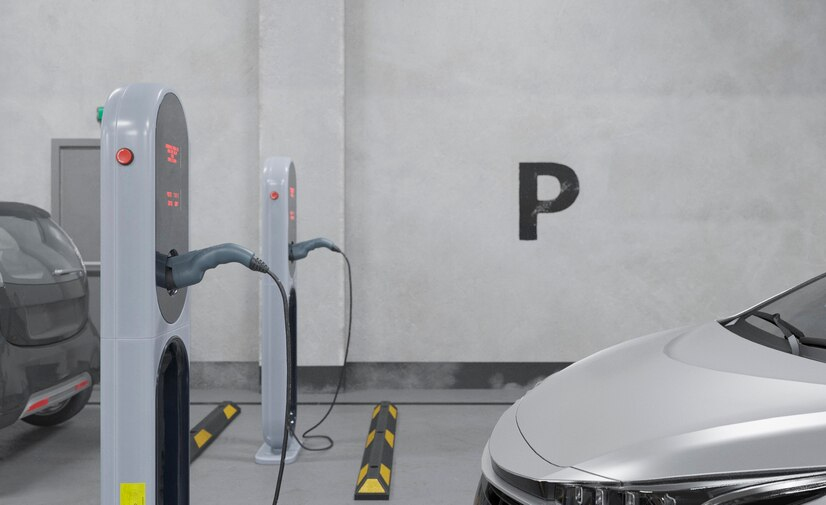
Before diving into specific chargers, it's important to understand what Level 2 charging actually means.
- Voltage and Power: Level 2 chargers operate at 240 volts, drawing higher amperage than standard outlets. Most chargers deliver between 16 to 80 amps, though residential models typically range from 16 to 40 amps. The higher the amperage, the faster your vehicle charges.
- Charging Speed: Depending on your EV's onboard charger and battery capacity, Level 2 units can provide 12-35 miles of range per hour. This is ideal for overnight home charging or for workplaces where EVs are parked for several hours.
- Connector Type: In North America, Level 2 chargers use the SAE J1772 connector, compatible with nearly all EVs except Tesla models, which require an adapter.
Understanding these basics ensures you choose a charger that aligns with your EV model and daily driving habits.
One of the first steps when considering a Level 2 charger is evaluating your home's electrical panel and capacity.
- Circuit Requirements: Most residential Level 2 chargers require a dedicated 240-volt circuit. For example, a 32-amp charger usually needs a 40-amp circuit breaker. It's crucial not to overload your panel, so consult a licensed electrician to verify compatibility.
- Panel Upgrade: Older homes may need electrical panel upgrades to accommodate higher amperage chargers. While this can be an upfront cost, it ensures your system is safe and future-proofed.
- Wiring Considerations: Proper wiring and grounding are essential to prevent overheating and potential hazards. Only professional installation ensures your Level 2 charger functions safely and efficiently.
By understanding your home's electrical capacity, you can select a charger that maximizes charging speed without compromising safety.
Many Level 2 chargers today come with smart capabilities that go beyond simply charging your vehicle. These features can improve convenience, save money, and even help you reduce your carbon footprint.
Smart chargers connect to your smartphone via apps, offering features such as:
- Remote Start and Stop: Begin charging even when you’re away from home.
- Notifications: Receive alerts when your EV is fully charged or if any issue occurs.
- Charging History: Track energy usage, efficiency, and costs over time.
Electricity rates often fluctuate throughout the day. With scheduled charging:
- Off-Peak Savings: Program your charger to operate during off-peak hours when electricity is cheaper.
- Optimized Energy Use: Reduce stress on the grid and potentially lower your utility bill.
For EV owners with solar panels, some Level 2 chargers can integrate directly, enabling:
- Clean Energy Use: Maximize the use of your own solar power to charge your vehicle.
- Reduced Carbon Footprint: Support renewable energy adoption while reducing reliance on grid electricity.
These smart features make Level 2 chargers not just faster, but more cost-effective and environmentally friendly.
When selecting a Level 2 charger, power output and compatibility are key factors.
- Amperage and Charging Speed: Residential chargers typically range from 16 to 40 amps. A 16-amp charger provides roughly 12 miles of range per hour, while a 40-amp charger can reach 35 miles per hour. Higher amperage is ideal if your daily driving distance is significant.
- EV Onboard Charger Limits: Your vehicle's onboard charger determines the maximum power it can accept. A high-power Level 2 charger will not increase speed if your EV can't handle the extra amperage. Check your EV manufacturer's specifications.
- Cable Length: Consider the distance from your electrical panel to your parking spot. Common cable lengths range from 12 to 25 feet, ensuring flexibility without needing extensions.
Selecting the right combination of charger amperage and cable length ensures convenience, efficiency, and maximum charging speed.
Safety is paramount when dealing with high-voltage chargers. Look for the following certifications:
Underwriters Laboratories (UL) certification is non-negotiable. A UL-certified charger has been independently tested for:
- Electrical Safety: Ensures safe operation under typical and fault conditions.
- Fire Prevention: Reduces the risk of overheating or fire hazards.
- Durability: Confirms that the charger can withstand long-term residential or commercial use.
Choosing a UL-certified charger provides peace of mind and compliance with local regulations.
For outdoor installations, the National Electrical Manufacturers Association (NEMA) rating indicates weather resistance:
- NEMA 3: Offers basic protection against rain and snow. Suitable for covered or sheltered outdoor installations.
- NEMA 4: Provides superior protection from windblown rain, corrosion, and dust. Ideal for exposed outdoor locations.
Investing in a higher NEMA rating may increase upfront cost slightly, but ensures long-term reliability, especially in harsh weather conditions.
Professional installation is highly recommended for Level 2 chargers. Key considerations include:
- Location: Choose a location that is convenient for daily charging and minimizes tripping hazards or cable wear.
- Mounting: Wall-mounted chargers are common for residential setups, while pedestal-mounted options may be required in larger driveways or shared spaces.
- Permit Requirements: Some municipalities require electrical permits for Level 2 charger installation. A licensed electrician will handle this process efficiently.
- Safety Features: Modern chargers include features such as ground fault protection, surge protection, and overcurrent protection to ensure safe operation.
Correct installation ensures both safety and optimal charging performance.
Level 2 chargers vary widely in price, typically ranging from $400 to $1,500 depending on features, power, and brand. While upfront cost may seem significant, consider long-term benefits:
- Faster Charging: Reduced downtime and increased convenience.
- Energy Savings: Smart features allow charging during off-peak hours, lowering electricity costs.
- Incentives: Many governments and utilities offer rebates or tax credits for residential EV charger installation. For example, in the U.S., the federal EVSE tax credit can cover up to 30% of the cost.
Weighing cost against long-term savings and convenience is crucial when choosing a Level 2 charger.
When shopping for a Level 2 charger, look for these key features:
- Power Adjustability: Ability to adjust charging current to match home electrical capacity.
- Weather Resistance: NEMA 4-rated units for exposed outdoor installations.
- Smart Connectivity: App-based control, energy monitoring, and scheduling.
- Safety Certifications: UL certification for electrical safety and reliability.
- Durable Cable and Connector: Ensure longevity and minimal maintenance.
- Warranty and Support: A robust warranty and responsive customer service enhance confidence in your purchase.
Selecting a charger that combines these features ensures a safe, convenient, and efficient charging experience.
Several trusted brands dominate the Level 2 EV charger market:
- ChargePoint: Offers networked smart chargers with app control and energy monitoring.
- JuiceBox (Enel X): Known for high amperage options, solar integration, and Wi-Fi connectivity.
- Tesla Wall Connector: Specifically designed for Tesla vehicles but compatible with other EVs using an adapter.
- ClipperCreek: Durable, reliable chargers without subscription fees, ideal for long-term residential use.
Comparing models based on amperage, smart features, and installation requirements helps narrow down the best choice for your needs.
Level 2 chargers are generally low-maintenance, but simple precautions can extend their lifespan:
- Regular Inspection: Check cables, connectors, and mounting hardware periodically.
- Weather Protection: For outdoor units, ensure no water intrusion or debris accumulation.
- Software Updates: Smart chargers may require firmware updates to maintain optimal performance.
- Professional Servicing: If you notice unusual noises, overheating, or error messages, contact the manufacturer or a licensed electrician.
Proper maintenance ensures your charger continues to deliver safe, reliable performance for years.
Installing a Level 2 charger also contributes to a cleaner, more sustainable future:
- Reduced Emissions: EVs powered by home chargers using renewable energy reduce greenhouse gas emissions.
- Integration with Solar: Charging during solar production hours maximizes use of clean energy.
- Support for Grid Efficiency: Smart charging during off-peak hours reduces demand on the electricity grid.
By choosing the right Level 2 charger, EV owners not only gain convenience but also participate in the global transition to sustainable energy.
Choosing a Level 2 EV charger involves more than selecting the fastest unit. Consider your home electrical capacity, smart features, safety certifications, NEMA ratings, installation requirements, and long-term cost benefits. With the right charger, you can enjoy faster, safer, and more efficient charging while integrating renewable energy sources and smart home technology.
For EV owners, investing in a high-quality, UL-certified, and properly installed Level 2 charger is essential to maximize convenience, efficiency, and environmental impact. Whether you drive daily for commuting or take long weekend trips, a well-chosen Level 2 charger transforms your EV experience.
By carefully evaluating your options and considering your unique needs, you can ensure your Level 2 charger will provide reliable performance for years to come.