Ultra-Fast EV Chargers: The Future of Electric Vehicle Charging
The electric vehicle (EV) revolution is no longer a distant vision—it's a rapidly growing reality. As more consumers and businesses switch to EVs, one of the biggest barriers to widespread adoption remains the availability and convenience of charging infrastructure. Traditional charging methods are often too slow to meet the needs of drivers who require a quick and efficient way to power their vehicles. Enter ultra-fast EV chargers—a cutting-edge technology designed to charge electric vehicles in a fraction of the time it takes with standard chargers.
Ultra-fast chargers represent a quantum leap forward in EV charging technology. By offering extremely high power output and reducing charging time significantly, these systems are positioned to be the cornerstone of the future EV ecosystem. This article delves into the mechanics, benefits, challenges, and future potential of ultra-fast EV chargers, and why they are considered a game-changer for electric mobility.
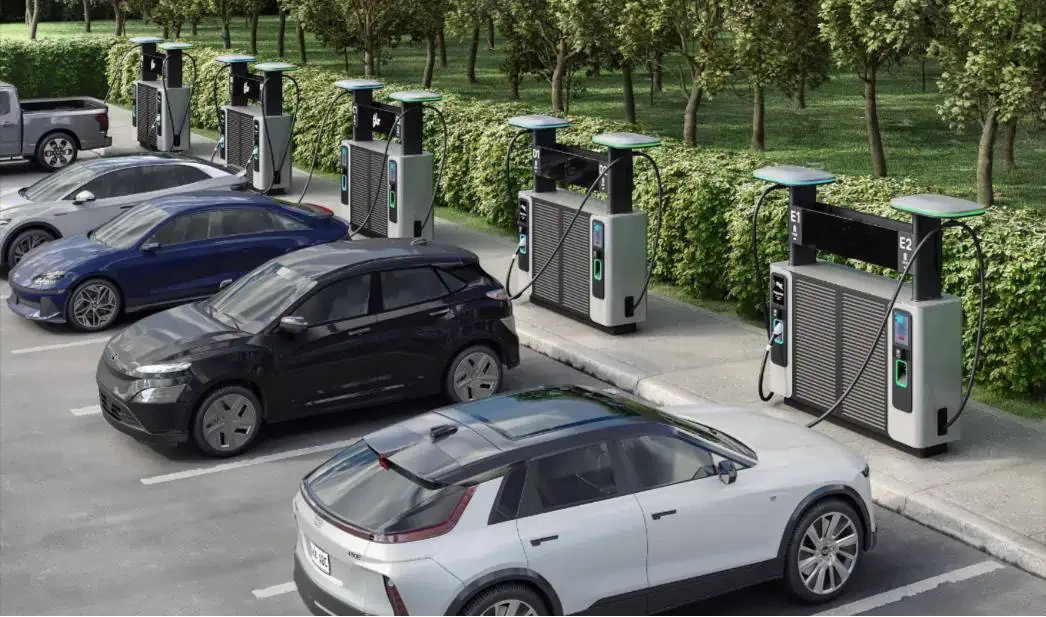
An ultra-fast EV charger, also known as ultra-rapid or high-voltage DC fast chargers, is a type of EV charging station that delivers electricity directly to the vehicle's battery at very high power levels. Unlike traditional chargers, which rely on the vehicle's onboard charger to convert alternating current (AC) from the grid into direct current (DC), ultra-fast chargers do the conversion themselves. This internal conversion allows for much higher power outputs, typically ranging from 100 kW to 350 kW or more, enabling vehicles to charge much faster.
Ultra-fast chargers are ideal for locations where high-speed, reliable charging is essential. These include highway rest stops, transit hubs, commercial charging centers, and fleet depots. By providing drivers with the ability to charge their EVs in a matter of minutes rather than hours, ultra-fast chargers break down a key barrier to EV adoption: long charging times. With ultra-fast charging infrastructure in place, the widespread transition from gas-powered vehicles to electric vehicles can become a reality.
Ultra-fast chargers are designed to deliver extremely high power levels, often ranging from 100 kW to more than 350 kW, depending on the station's specifications and the compatibility of the EV. This power enables rapid charging, allowing EVs to gain significant range in as little as 15 to 30 minutes. This is a dramatic improvement over traditional chargers, which can take several hours to fully charge an EV battery.
Unlike Level 1 and Level 2 EV chargers that use alternating current (AC) and rely on the vehicle to convert it to DC, ultra-fast chargers deliver direct current (DC) directly to the vehicle's battery. The efficiency of DC charging reduces energy loss during the conversion process and allows for faster charging speeds.
Safety and efficiency are paramount when dealing with high-powered charging systems. Ultra-fast chargers are equipped with advanced control and monitoring systems that manage the charging process in real-time. These systems optimize the flow of energy to the battery, monitor its temperature, and ensure that the charging process doesn't overheat or damage the vehicle's battery. They also incorporate features like communication with the EV's Battery Management System (BMS) to adjust the charging speed based on the battery's state of charge and health.
Because ultra-fast charging involves the transfer of large amounts of energy in a short period of time, it generates significant heat. Modern ultra-fast chargers are designed with robust cooling systems to maintain the battery's temperature within a safe range, preventing overheating and ensuring the longevity of both the charging infrastructure and the vehicle's battery.
The operational principle behind ultra-fast chargers is relatively straightforward but relies on advanced technologies to ensure efficiency and safety. When a driver plugs their vehicle into an ultra-fast charger, the process begins with a handshake between the charger and the vehicle. The charger's communication system and the vehicle's Battery Management System (BMS) exchange information about the battery's current charge level, temperature, and other parameters that influence the charging rate.
The ultra-fast charger then adjusts its output to the optimal level, delivering a high-voltage DC current directly to the vehicle's battery. This direct supply bypasses the need for an onboard AC-to-DC converter, allowing the vehicle to charge much faster.
As charging progresses, the ultra-fast charger continues to monitor key variables, such as battery temperature, voltage levels, and charging speed. If necessary, the system adjusts these parameters to ensure that the battery remains within a safe temperature range, thereby avoiding potential overheating and battery degradation.
Once the vehicle reaches an optimal state of charge (typically around 80% of battery capacity), the charger begins to reduce the charging speed to avoid damaging the battery from overcharging. This approach ensures both speed and safety throughout the entire charging process.
The most obvious benefit of ultra-fast chargers is the reduction in charging time. Traditional Level 2 chargers can take several hours to fully charge an EV battery, but ultra-fast chargers can achieve an 80% charge in just 15 to 30 minutes. This means drivers can spend less time waiting for their vehicles to charge and more time on the road.
For EV owners who regularly drive long distances, ultra-fast chargers are indispensable. With their quick charging capabilities, ultra-fast chargers make road trips more feasible and enjoyable. EV owners no longer need to plan their trips around long charging breaks, as ultra-fast chargers can provide significant range in the time it takes to grab a coffee or eat a meal.
The availability of ultra-fast chargers plays a significant role in reducing range anxiety—the fear of running out of battery power while on the road. By providing quick and reliable charging options, ultra-fast chargers instill confidence in EV owners and potential buyers. The more charging infrastructure is available, the more likely consumers will consider purchasing an EV.
For businesses and fleet operators, ultra-fast chargers offer a huge advantage. Businesses with fleets of electric vehicles can significantly reduce downtime and maximize the productivity of their vehicles. Ultra-fast chargers enable quick turnaround times, ensuring that the fleet remains operational for longer periods and that vehicles can quickly return to service after short charging breaks.
Ultra-fast chargers are not only faster but also more energy-efficient. By converting AC to DC at the charging station rather than at the vehicle, these systems reduce conversion losses. Furthermore, many ultra-fast chargers are integrated with smart grid technology, allowing them to work in concert with renewable energy sources and help balance grid demand during peak times.
While ultra-fast chargers offer numerous advantages, they also come with their own set of challenges and considerations.
The initial cost of installing ultra-fast chargers is significantly higher than traditional charging stations. The high-power components, specialized connectors, and complex electrical systems required for ultra-fast charging stations can result in installation costs of several hundred thousand dollars per station. Moreover, the power supply infrastructure must be upgraded to handle the high energy demand, especially in areas with less robust electrical grids.
Ultra-fast chargers place considerable strain on local electrical grids, especially in areas where the grid infrastructure is already under stress. The high power demands of ultra-fast chargers can cause voltage fluctuations and, in some cases, can lead to grid instability. To address this issue, it's essential to integrate ultra-fast charging stations with smart grids, energy storage solutions, and renewable energy sources like solar and wind to help balance power demands.
Not all electric vehicles are compatible with ultra-fast charging stations, as they require specific charging standards, such as the Combined Charging System (CCS) or CHAdeMO connectors. While many modern EVs are designed to handle ultra-fast charging, older models may not support it, limiting the accessibility of these stations for some drivers.
The future of ultra-fast EV charging is bright, with continued advancements in both charging technology and vehicle battery design. As battery technologies improve, we can expect even faster charging times and greater energy efficiencies. Additionally, ongoing efforts to expand charging infrastructure will make ultra-fast chargers more widely available, ensuring that more drivers have access to convenient and quick charging options.
Another exciting development on the horizon is wireless charging. Research is underway to develop systems that allow EVs to charge without the need for physical connectors, further simplifying the charging experience and potentially reducing wear on connectors and cables.
Furthermore, the integration of ultra-fast chargers with renewable energy sources and vehicle-to-grid (V2G) technology could help create a more sustainable, resilient energy network. As the EV market continues to grow, ultra-fast chargers will be a critical component of a fully integrated electric transportation ecosystem.
Ultra-fast EV chargers are changing the way we think about electric vehicle charging. By dramatically reducing charging times, these systems make EVs more convenient for everyday use, whether for short commutes or long-distance travel. As ultra-fast charging networks continue to expand and improve, the EV industry is poised to overcome one of its biggest hurdles: the availability of fast, reliable charging options. With their ability to charge EVs in record time, ultra-fast chargers are an essential part of the infrastructure needed to support the global transition to electric mobility.