
Are EV Charging Stations Truly Universal? A Complete Guide to Compatibility
As electric vehicles (EVs) continue to gain popularity worldwide, one common question emerges among both new and seasoned EV owners: Are charging stations universal? While the idea of “plug-and-play” charging may seem straightforward, the reality is more nuanced. The compatibility of an EV with a particular charging station depends on a combination of factors including the type of charger, voltage level, charging speed, and the connector standard used. Understanding these factors is essential for EV owners, fleet operators, and infrastructure planners to ensure seamless and efficient charging experiences.
This article explores the three main types of EV chargers—Level 1, Level 2, and DC fast charging (Level 3)—and delves into the critical role of charging plugs and connectors. It also examines regional differences, real-world examples, and practical considerations for EV owners.
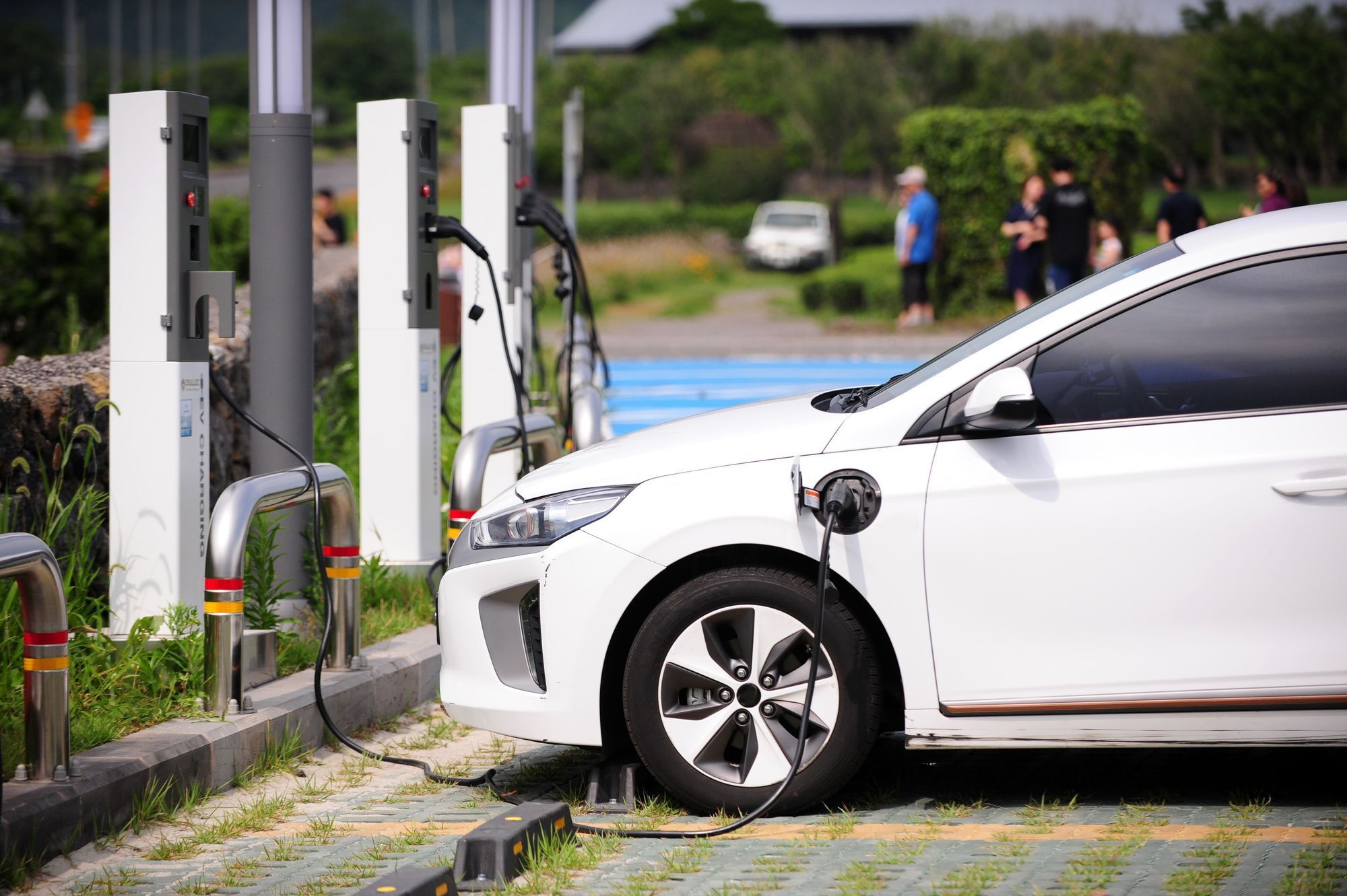
Level 1 charging represents the simplest form of EV charging and is often the starting point for new EV owners. It uses a standard 120-volt alternating current (AC) plug, the same type commonly found in homes across North America and many other regions. One key advantage of Level 1 chargers is convenience: they can be connected directly to a household outlet without requiring specialized installation or electrical upgrades.
Level 1 charging cables, also known as Level 1 EVSE (Electric Vehicle Supply Equipment) cables, typically feature a standard three-prong plug for the outlet on one end and a J1772 connector for the vehicle on the other. Depending on the battery capacity and the state of charge of the EV, charging rates range from approximately 1.4 kW to 3 kW. This translates into a charging time of 8 to 12 hours for a fully depleted battery, making Level 1 charging most suitable for overnight charging or vehicles with relatively low daily mileage.
Level 1 charging is ideal for plug-in hybrid electric vehicles (PHEVs) or situations where drivers do not need a rapid turnaround. However, for full battery EVs with larger capacities, relying solely on Level 1 charging may be impractical for daily use, especially for high-mileage drivers. Nevertheless, its universality and simplicity make Level 1 chargers an essential option for home charging, workplace top-ups, or emergency situations.
Level 2 charging represents a significant step up in power and efficiency. Unlike Level 1, Level 2 chargers operate at 240 volts AC, requiring dedicated equipment and installation. These chargers are commonly found in public locations such as commercial parking lots, shopping centers, workplace facilities, and residential complexes. Homeowners can also install Level 2 charging units, provided their electrical system supports it, typically with a 40–50 amp circuit.
Charging rates for Level 2 typically range from 7 kW to 22 kW, depending on the charger and vehicle capabilities. This higher power output reduces charging time considerably, often allowing a fully depleted EV battery to recharge in 1 to 11 hours. For instance, the KIA e-Niro, which is equipped with a 64 kWh battery, can reach full charge in roughly nine hours when using a 7.2 kW onboard Type 2 charger.
Level 2 chargers play a critical role in daily EV operations. They strike a balance between convenience and speed, making them suitable for overnight charging, workplace charging during work hours, and public charging in areas where vehicles are parked for extended periods. Many public charging networks leverage Level 2 chargers as the backbone of their infrastructure, providing reliable access to EV drivers without the need for costly high-voltage upgrades.
DC fast charging, often referred to as Level 3 charging, represents the fastest charging method available for EVs. Unlike Level 1 or Level 2 chargers, DC fast chargers deliver high-voltage direct current (DC) directly to the vehicle’s battery, bypassing the onboard AC-to-DC converter. This enables dramatically shorter charging times, making it possible to recharge an EV battery from 20% to 80% in as little as 20 minutes to 1 hour, depending on battery size and charger output.
Level 3 chargers are primarily installed in densely populated urban areas, major highways, and strategic locations where rapid charging is critical for long-distance travel. Power levels for DC fast chargers typically range from 43 kW to over 100 kW, with some ultra-fast chargers exceeding 350 kW for compatible vehicles. These chargers use specialized connectors, such as CHAdeMO or CCS, to ensure efficient and safe energy transfer.
It is important to note that not all EVs are compatible with Level 3 charging. Compatibility depends on the vehicle’s design and supported charging standards. While many modern EVs are designed to accept high-power DC input, some earlier or lower-cost models may only support Level 2 AC charging. This variation highlights the importance of understanding both the charger and vehicle specifications before planning long-distance travel or infrastructure deployment.
The universality of an EV charging station is not solely determined by the power level of the charger—it also depends heavily on the connector type. While many EV charging ports may look similar, subtle differences in pin configuration, shape, and communication protocols can make certain chargers incompatible with specific vehicles.
Type 1 connectors are most commonly found in North America and are used on many non-Tesla EVs. These connectors utilize a five-pin configuration and support both Level 1 and Level 2 charging. They are widely regarded for their simplicity and reliability, making them a standard choice for residential and workplace charging in regions where this standard prevails.
Type 2 connectors, sometimes referred to as Mennekes connectors, are widely used in Europe and other regions. These connectors feature a seven-pin configuration and are compatible with Level 2 AC charging. They are standard at many public charging stations across Europe, supporting both single-phase and three-phase AC supply, which allows for higher charging rates than the Type 1 connector. Type 2 connectors are increasingly considered a universal European standard, ensuring broad interoperability for EV owners.
CHAdeMO is a fast-charging standard primarily developed by Japanese automakers such as Nissan and Mitsubishi. It is designed for DC fast charging and allows high-power energy transfer to EV batteries safely. CHAdeMO connectors are common in Japan and select markets worldwide and are often found at DC fast charging stations supporting older-generation EVs. Despite its widespread use, CHAdeMO is gradually being supplanted by CCS in some regions due to the latter’s broader compatibility with newer vehicles.
The Combined Charging System (CCS) is rapidly becoming the global standard for fast charging, particularly in North America and Europe. CCS connectors support both Level 2 AC charging and DC fast charging, making them versatile and increasingly universal. Many new EV models, including those produced by Ford, BMW, Volkswagen, and other major manufacturers, are equipped with CCS ports. This dual functionality allows a single vehicle to leverage a wider range of public chargers, from everyday Level 2 stations to high-speed DC fast chargers on highways.
One of the challenges in determining whether EV charging stations are universal lies in regional differences. North America, Europe, and Asia each have distinct charging standards, voltage levels, and connector types. For example, while Type 1 connectors dominate the U.S. market, Type 2 connectors prevail in Europe. Similarly, CHAdeMO remains common in Japan, while CCS has gained momentum worldwide.
EV owners traveling internationally need to be aware of these differences. Adapters may be necessary for cross-region compatibility, and some charging networks may restrict access based on connector type. Additionally, government regulations and incentives often influence the adoption of certain standards, further shaping the availability and universality of charging stations.
Another aspect influencing universality is whether a charging station has tethered or untethered connectors. Tethered chargers come with a permanently attached cable and connector, limiting flexibility but ensuring immediate compatibility with the vehicle type the station is designed for. Untethered chargers, by contrast, allow users to attach their own charging cable, providing more versatility but requiring the EV owner to carry the appropriate cable.
Understanding this distinction is important for EV fleet operators, commercial property owners, and public charging infrastructure developers. Tethered chargers offer convenience for casual users, while untethered designs can accommodate multiple connector standards with minimal investment.
While efforts are underway to standardize EV charging globally, achieving true universality remains challenging. Some key obstacles include:
Multiple connector standards – Legacy systems, regional preferences, and manufacturer-specific designs continue to create fragmentation.
Varied voltage and power levels – Level 1, Level 2, and DC fast charging operate at different electrical specifications, limiting interchangeability.
Software and communication protocols – Chargers and vehicles communicate to manage power delivery and safety. Differences in communication protocols can restrict cross-compatibility.
Rapid technological advancements – Battery and charging technologies continue to evolve, introducing new standards and connectors that may not align with older systems.
Despite these challenges, industry collaboration, government regulations, and the adoption of global standards like CCS are gradually improving compatibility and paving the way for more universal EV charging infrastructure.
For EV owners seeking to maximize charging flexibility, a few practical tips are worth considering:
Check connector compatibility before travel – Verify whether your EV supports the charger type available in your region.
Use adapters when necessary – Some EVs offer adapters for Type 1/Type 2 or CHAdeMO/CCS connectors.
Plan charging stops strategically – Especially for long-distance travel, understanding fast charger locations and compatible connectors is crucial.
Consider home charging options – Level 1 may suffice for overnight charging, but Level 2 can significantly reduce daily charging times.
By proactively understanding these factors, EV owners can ensure a smoother, more reliable charging experience, whether for personal use or fleet operations.
Are EV charging stations universal? The short answer is: not entirely. Compatibility depends on multiple factors including charger type, voltage, power level, connector standard, and regional differences. Level 1 chargers offer broad accessibility but are slow. Level 2 chargers provide faster charging and are widely deployed in public and residential locations. DC fast charging enables rapid energy replenishment but requires compatible vehicle hardware and connectors.
Connector standards—Type 1, Type 2, CHAdeMO, and CCS—play a critical role in determining whether an EV can utilize a particular charger. While CCS is increasingly becoming a global standard for fast charging, regional variations and legacy systems mean that no charger is truly universal yet. Nevertheless, awareness, proper planning, and the use of adapters can help EV owners navigate these challenges, ensuring a convenient and efficient charging experience as EV adoption continues to grow worldwide.
