Home EV Charger vs Public Charging Stations: Understanding the Differences in Modern EV Charging
The global transition toward electric mobility has accelerated rapidly in recent years. Governments, automakers, and energy companies are investing heavily in infrastructure that supports the widespread adoption of electric vehicles (EVs). As EV ownership grows, one of the most important considerations for drivers is how and where to charge their vehicles.
Charging infrastructure generally falls into two main categories: home EV charging and public EV charging stations. Each option plays a critical role in supporting EV drivers, yet they offer different advantages in terms of convenience, cost, charging speed, and accessibility.
For many EV owners, installing a home EV charger offers the ultimate convenience—allowing drivers to charge their vehicles overnight without leaving home. Meanwhile, public charging stations are essential for long-distance travel, urban residents without private parking, and drivers who require rapid charging during the day.
Understanding the differences between home EV chargers and public EV charging stations helps drivers make informed decisions about charging strategies. This article explores how both charging solutions work, their advantages and disadvantages, and how they complement each other within the broader EV ecosystem.
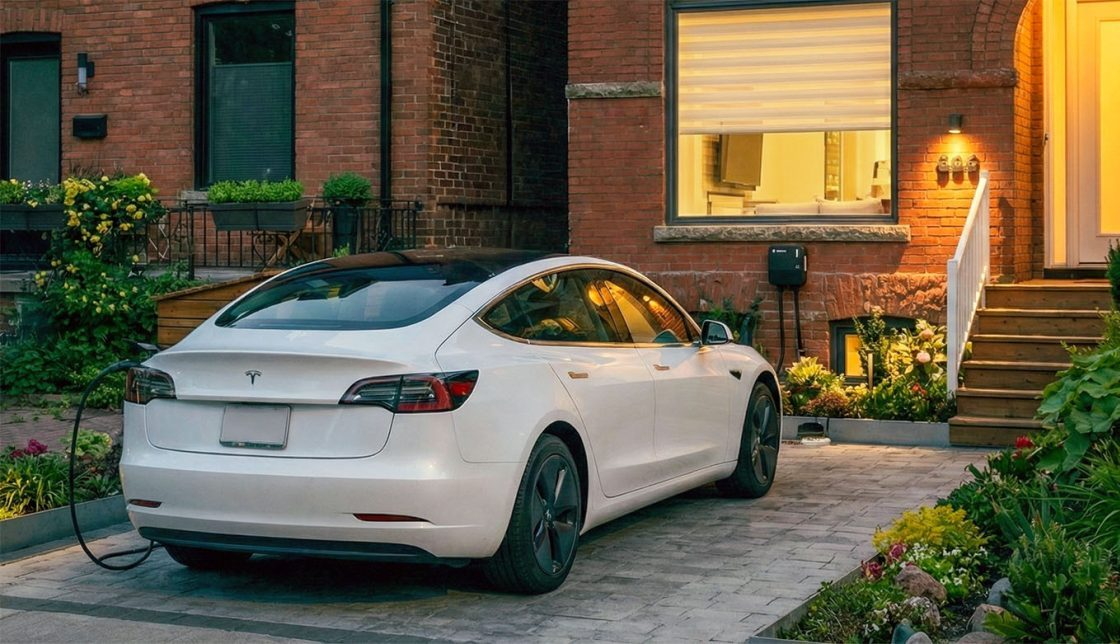
A home EV charger is a dedicated charging device installed at a residential property to charge electric vehicles safely and efficiently. Unlike standard household outlets, which provide limited power, a home charger connects directly to a home's electrical panel and delivers higher power levels for faster charging.
Most residential EV chargers operate at power levels between 7 kW and 11 kW, making them ideal for overnight charging. These chargers are typically wall-mounted and installed in garages, driveways, or carports.
The principle of home charging is simple. After returning home, the driver connects the vehicle to the charger using a compatible cable and connector. The charger then delivers electricity from the home's power supply to the vehicle's onboard charging system.
One of the biggest advantages of home charging is its convenience. Instead of visiting a charging station, drivers simply plug in their vehicle at the end of the day. By morning, the battery is usually fully charged and ready for daily commuting.
Home EV chargers are generally categorized as Level 2 AC chargers. These chargers deliver alternating current (AC) power from the electrical grid. The EV's onboard charger converts the AC power into direct current (DC) for storage in the vehicle's battery pack.
Modern home chargers often include smart features such as:
- Wi-Fi or Bluetooth connectivity
- Mobile app control
- Scheduled charging
- Energy monitoring
- Integration with solar power systems
These smart capabilities allow EV owners to optimize charging schedules, track electricity consumption, and reduce energy costs by charging during off-peak hours.
Public EV charging stations are charging facilities accessible to the general public. These stations are installed in locations such as shopping centers, office buildings, highways, parking garages, hotels, and service stations.
Public chargers are designed to provide convenient charging for drivers who are away from home. They also support drivers who do not have access to private charging, such as those living in apartments or urban environments.
Public charging stations can offer various charging speeds depending on their power rating and technology.
Common types of public chargers include:
Level 2 public chargers typically provide power levels between 7 kW and 22 kW. They are commonly installed in commercial parking lots, shopping malls, workplaces, and residential complexes.
These chargers are suitable for medium-duration parking periods, such as when a driver is shopping, working, or dining.
DC fast chargers are designed to deliver high power levels directly to the vehicle's battery. These chargers bypass the onboard AC charger and supply direct current (DC) directly to the battery system.
Typical DC fast charging power levels include:
- 50 kW
- 100 kW
- 150 kW
- 350 kW
These chargers can replenish a significant portion of an EV battery within 20 to 40 minutes, depending on the vehicle's battery capacity and charging capability.
DC fast chargers are commonly installed along highways and major travel corridors to support long-distance EV travel.
Although both systems deliver electricity to EV batteries, home charging and public charging differ in several important ways.
Home chargers usually operate at lower power levels than public fast chargers. A typical residential charger delivers around 7 kW, which may take several hours to fully charge an EV battery.
Public fast chargers, on the other hand, can deliver much higher power levels. This allows drivers to charge their vehicles much more quickly when time is limited.
However, slower home charging is often sufficient for daily commuting because vehicles remain parked overnight for extended periods.
Home chargers typically use AC charging, which requires the EV's onboard charger to convert electricity into DC before storing it in the battery.
Public fast chargers use DC charging, allowing electricity to flow directly into the battery without onboard conversion. This enables much faster charging speeds.
Home charging is only available to drivers who have access to private parking and electrical infrastructure.
Public charging stations are designed to be accessible to all EV drivers, including those without home charging options.
Home charging simply adds electricity usage to the household electricity bill.
Public chargers typically require payment through mobile apps, RFID cards, or contactless payment systems.
Charging costs may vary depending on the charging network, location, time of day, and electricity pricing.
Home EV charging offers several significant advantages that make it the preferred option for many EV owners.
Charging at home eliminates the need to visit public charging stations. Drivers can simply plug in their vehicles at night and wake up to a fully charged battery.
This convenience simplifies daily vehicle use and eliminates waiting time at charging stations.
Home electricity rates are often lower than public charging prices. Additionally, many utilities offer off-peak electricity rates, allowing EV owners to charge their vehicles at a reduced cost during nighttime hours.
Home charging allows drivers to maintain a consistent charging routine. Since vehicles are typically parked overnight, the charging process fits naturally into daily schedules.
Slower AC charging at home may help reduce battery stress compared with frequent use of high-power fast chargers. While modern EV batteries are designed to handle fast charging, slower charging can support long-term battery health.
Many home chargers can integrate with home energy systems, including solar panels and energy storage solutions. This allows EV owners to charge their vehicles using renewable energy.
Public charging infrastructure is essential for the continued expansion of EV adoption. It provides flexibility and accessibility that complements home charging.
Public fast chargers enable EV drivers to travel long distances without worrying about running out of power.
Highway charging networks allow drivers to recharge quickly and continue their journey with minimal delay.
In densely populated cities, many residents do not have access to private garages or driveways. Public charging stations provide these drivers with reliable charging options.
Public fast chargers can recharge a vehicle much faster than most home chargers.
This is especially useful for drivers who need to quickly recharge during busy schedules or while traveling.
Many businesses now offer EV charging as an employee or customer benefit. Workplace charging allows drivers to recharge while at work, extending daily driving range.
Retail locations also use EV chargers to attract customers who can charge their vehicles while shopping.
While home charging offers many benefits, it also comes with certain limitations.
Installing a home EV charger may require electrical upgrades, especially in older homes. This can include upgrading the electrical panel or installing dedicated circuits.
Installation costs can vary depending on the complexity of the electrical system.
Home charging requires access to private parking spaces, which may not be available in apartment buildings or dense urban environments.
The cost of purchasing and installing a home charger may be higher initially, although long-term savings can offset these costs.
Public charging networks also face several challenges that affect their availability and usability.
In some areas, the number of charging stations may still be limited, which can result in waiting times during peak hours.
Public charging can be more expensive than home charging, particularly for high-speed DC charging services.
Different charging networks may require separate accounts or payment systems, which can complicate the user experience.
Building a comprehensive public charging network requires significant investment in power infrastructure, grid capacity, and equipment deployment.
The future of EV charging will likely involve a balanced combination of home charging and public charging networks.
Home charging will continue to serve as the primary charging method for most EV owners, particularly those with residential parking access.
At the same time, public charging infrastructure will expand rapidly to support long-distance travel, commercial fleets, urban residents, and high-power charging needs.
Technological advancements are also transforming EV charging systems. Smart chargers, vehicle-to-grid (V2G) technology, and renewable energy integration are helping create a more flexible and sustainable energy ecosystem.
Automakers, energy providers, and governments are collaborating to deploy more charging stations, improve charging speeds, and enhance user experiences.
As EV adoption grows worldwide, reliable and accessible charging infrastructure will remain one of the most important factors driving the transition to electric mobility.
Home EV chargers and public charging stations serve complementary roles within the electric vehicle ecosystem. Home charging offers convenience, affordability, and seamless integration into daily routines, making it the preferred option for many EV owners.
Public charging stations, on the other hand, provide essential infrastructure for long-distance travel, urban drivers, and situations where rapid charging is required.
Together, these two charging solutions form a comprehensive network that supports the continued expansion of electric mobility. As technology advances and infrastructure investment increases, EV charging will become even more accessible, efficient, and integrated into modern transportation systems.
The combination of reliable home charging and expanding public charging networks ensures that electric vehicles remain a practical and sustainable transportation solution for the future.