How to Choose a Portable Power Station: A Comprehensive Industry Guide
As global energy demand continues to rise and lifestyles become increasingly mobile, portable energy solutions are playing a more important role than ever before. Among these solutions, the portable power station has emerged as one of the most practical, versatile, and environmentally friendly technologies available today.
Whether used for outdoor recreation, emergency backup, off-grid living, professional field operations, or even as a supplementary home energy system, portable power stations provide reliable electricity in situations where traditional power sources are unavailable or impractical. Unlike conventional fuel generators, they operate silently, produce zero emissions, and require minimal maintenance, making them ideal for both indoor and outdoor use.
With advancements in lithium battery technology, particularly lithium-ion and LiFePO4 (Lithium Iron Phosphate) chemistries, modern portable power stations are now more powerful, compact, and durable than ever before. However, the growing diversity of products in the market has also made selection more complex. Different models vary significantly in capacity, output, charging methods, lifespan, and safety features.
Choosing the right portable power station is no longer a simple purchase decision—it requires a clear understanding of technical specifications, usage scenarios, and long-term performance expectations. This article provides a detailed industry overview of portable power stations, including their structure, working principles, key selection factors, and practical buying considerations to help users make informed decisions.
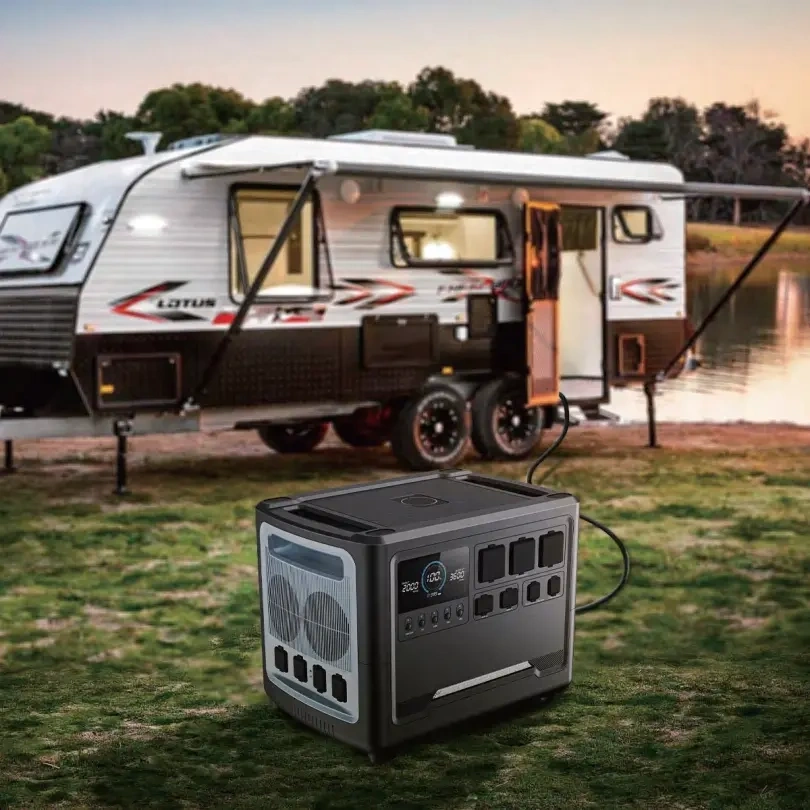
A portable power station is a self-contained, rechargeable energy storage system designed to supply electrical power on demand. It stores electricity from various sources such as wall outlets, solar panels, or vehicle chargers and converts it into usable energy for electronic devices and appliances.
Unlike traditional gasoline-powered generators, portable power stations rely on battery storage rather than combustion. This fundamental difference allows them to operate without noise, fumes, or fuel dependency, making them highly suitable for modern energy needs.
Portable power stations are widely used in a variety of scenarios, including:
- Camping and outdoor travel
- RV and van life power supply
- Home emergency backup during outages
- Construction and field work sites
- Medical equipment support
- Off-grid cabins and remote living
- UPS (Uninterruptible Power Supply) systems
Their flexibility and ease of use have made them a key component of the growing global shift toward clean and mobile energy solutions.
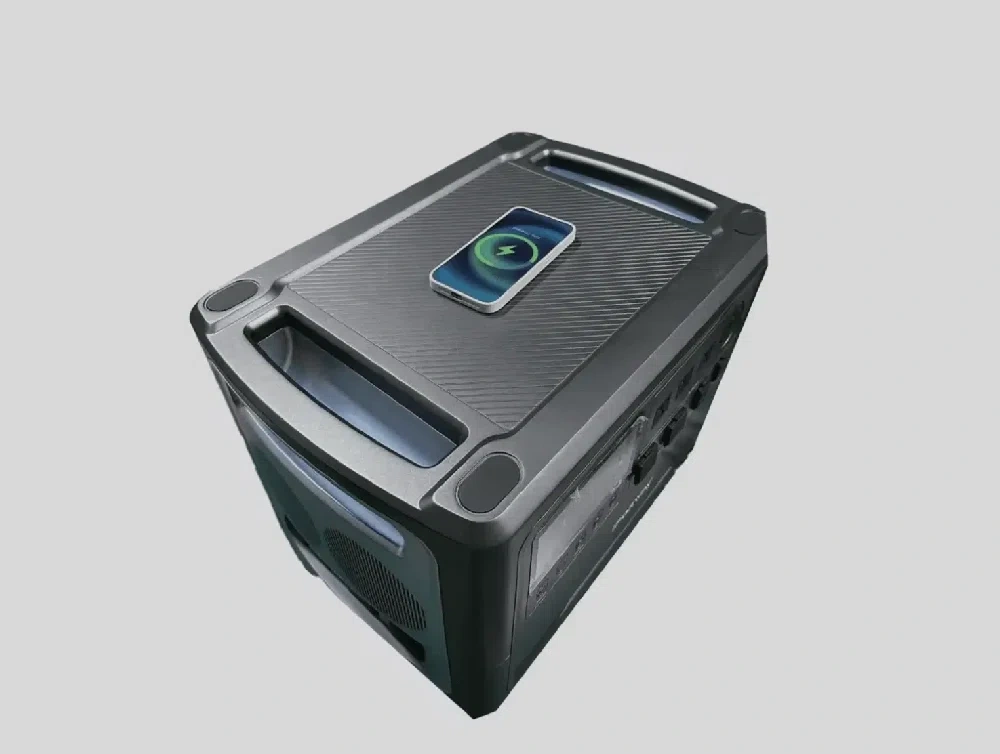
To understand how a portable power station works and how to choose the right one, it is essential to examine its internal components. A typical system consists of four major parts: the battery pack, inverter, charge controller, and output interface system.
The battery is the most critical component of a portable power station, as it determines the total energy storage capacity, lifespan, and overall performance.
Most modern units use one of two battery technologies:
Lithium-Ion Batteries
Lithium-ion batteries are widely used due to their high energy density, lightweight structure, and strong performance. They are suitable for compact and mid-range power stations where portability is a priority.
LiFePO4 (Lithium Iron Phosphate) Batteries
LiFePO4 batteries are increasingly preferred for high-performance and industrial-grade systems. They offer significantly longer cycle life, improved thermal stability, and enhanced safety. Although slightly heavier than lithium-ion batteries, they provide superior durability and long-term value.
The choice of battery type directly impacts the overall lifespan and reliability of the power station.
The inverter plays a crucial role in converting stored direct current (DC) energy into alternating current (AC), which is required by most household and industrial devices.
A high-quality inverter ensures:
- Stable voltage output
- Clean sine wave power for sensitive electronics
- Efficient energy conversion
- Support for high-load appliances
Inverters are typically rated by:
- Continuous output power (steady performance capability)
- Peak/surge power (short-term high demand capacity)
For example, devices such as refrigerators, air conditioners, and power tools require higher surge capacity during startup.
The charge controller regulates the flow of electricity into the battery during charging. Its primary function is to protect the battery from damage caused by overcharging, overheating, or voltage fluctuations.
Modern charge controllers also improve efficiency by optimizing input from different charging sources, including solar panels, wall outlets, and vehicle charging systems.
Advanced models may include:
- Maximum Power Point Tracking (MPPT) for solar optimization
- Intelligent charging algorithms
- Temperature-based regulation systems
This ensures stable and efficient energy storage under varying conditions.
The output system determines how users connect their devices to the power station. A well-designed unit should offer multiple output options to support a wide range of applications.
Common output interfaces include:
- AC outlets for household appliances
- USB-A ports for standard electronics
- USB-C ports for fast-charging modern devices
- DC car ports for automotive equipment
- Wireless charging pads (on select models)
The diversity and configuration of output ports significantly influence the versatility of the power station in real-world usage.
Selecting the right portable power station involves evaluating several technical and practical factors. Each factor plays a role in determining whether the device will meet specific energy requirements.
Battery capacity, measured in watt-hours (Wh), indicates how much energy a power station can store.
- 200–500Wh: basic mobile charging, small devices
- 500–1000Wh: laptops, lights, small appliances
- 1000–2000Wh: refrigerators, TVs, power tools
- 2000Wh+: heavy-duty backup and off-grid systems
Users should estimate their total energy consumption to select a model that provides sufficient runtime.
Output power determines how many devices can be powered simultaneously and what types of appliances can be supported.
Key considerations include:
- Continuous output rating
- Surge power capability
- Compatibility with high-wattage devices
For example, a coffee machine or microwave may require significantly higher output than basic electronics.
Choosing insufficient output capacity may limit usability even if battery capacity is high.
Portability is a defining feature of these systems. However, higher capacity usually means increased size and weight.
Important design considerations include:
- Total weight and ease of transport
- Handle design and structural durability
- Compactness for storage in vehicles or homes
- Rugged construction for outdoor environments
Users should balance portability with performance based on their primary use case.
A high-quality portable power station should support multiple charging methods, including:
- Standard AC wall charging
- Solar panel charging
- Car charging (12V DC input)
- Fast charging technologies
Solar compatibility is particularly important for off-grid and outdoor applications. It allows users to generate renewable energy and maintain power independence in remote locations.
Fast charging capability is also becoming a key feature, significantly reducing downtime between uses.
Cycle life refers to the number of complete charge and discharge cycles a battery can undergo before its capacity decreases significantly.
- Lithium-ion: typically 500–1000 cycles
- LiFePO4: often 3000–6000+ cycles
A higher cycle life means longer service duration, lower replacement costs, and better long-term value.
For users seeking long-term reliability, LiFePO4 technology is generally the preferred choice.
Safety is a critical requirement for energy storage systems. Modern portable power stations include multiple protection mechanisms such as:
- Overvoltage protection
- Overcurrent protection
- Short-circuit protection
- Thermal management systems
- Battery Management System (BMS)
The BMS is particularly important, as it continuously monitors battery status and ensures safe operation under all conditions.
While portable power stations may require a higher initial investment compared to traditional generators, they offer significant long-term advantages:
- No fuel costs
- Minimal maintenance
- Higher energy efficiency
- Longer lifespan (especially LiFePO4 models)
When evaluating cost, users should consider total lifecycle value rather than just upfront price.
Portable power stations represent a major step forward in clean energy adoption. Unlike fuel-based generators, they produce zero emissions and support renewable energy integration.
Solar-compatible models further enhance sustainability by enabling users to charge devices using clean energy sources.
This makes them an important component in global efforts to reduce carbon emissions and promote green energy usage.
Different users require different configurations based on their applications:
- Camping and travel: lightweight, moderate capacity
- Home backup power: high-capacity, stable output
- RV and mobile living: solar-ready, mid-to-large capacity
- Professional field work: rugged, high-output systems
- Medical/critical equipment: high reliability and safety standards
Matching the product to the application ensures optimal efficiency and performance.
Modern portable power stations increasingly integrate smart technology, including:
- Mobile app control
- Real-time power monitoring
- Remote operation and scheduling
- Energy usage tracking
- Firmware updates
These features improve usability and allow users to manage energy consumption more efficiently.
The portable power station has evolved into a highly advanced and essential energy solution for modern life. As technology continues to improve, these systems are becoming more powerful, efficient, and accessible, supporting a wide range of applications from outdoor recreation to emergency backup and professional use.
Choosing the right portable power station requires careful consideration of capacity, output power, battery type, safety features, portability, and long-term value. By understanding these key factors, users can select a system that not only meets their current energy needs but also provides reliable performance for years to come.
In an increasingly mobile and energy-conscious world, portable power stations represent a forward-looking investment in convenience, sustainability, and energy independence.