How to Manage Multiple EV Chargers at Home?
As electric vehicles (EVs) become more popular, many households are adding a second (or even third) EV to their garages. With this shift, the question arises: how do you efficiently charge multiple electric cars at home?
The good news is—charging two or more EVs at home is not only possible, it's becoming increasingly common. Thanks to advances in home charging equipment and smarter energy management systems, powering up multiple vehicles from a single home electrical panel is easier and more affordable than ever. However, a successful setup depends on a few key factors: your home's electrical capacity, the type of charging equipment you use, and how you manage energy distribution.
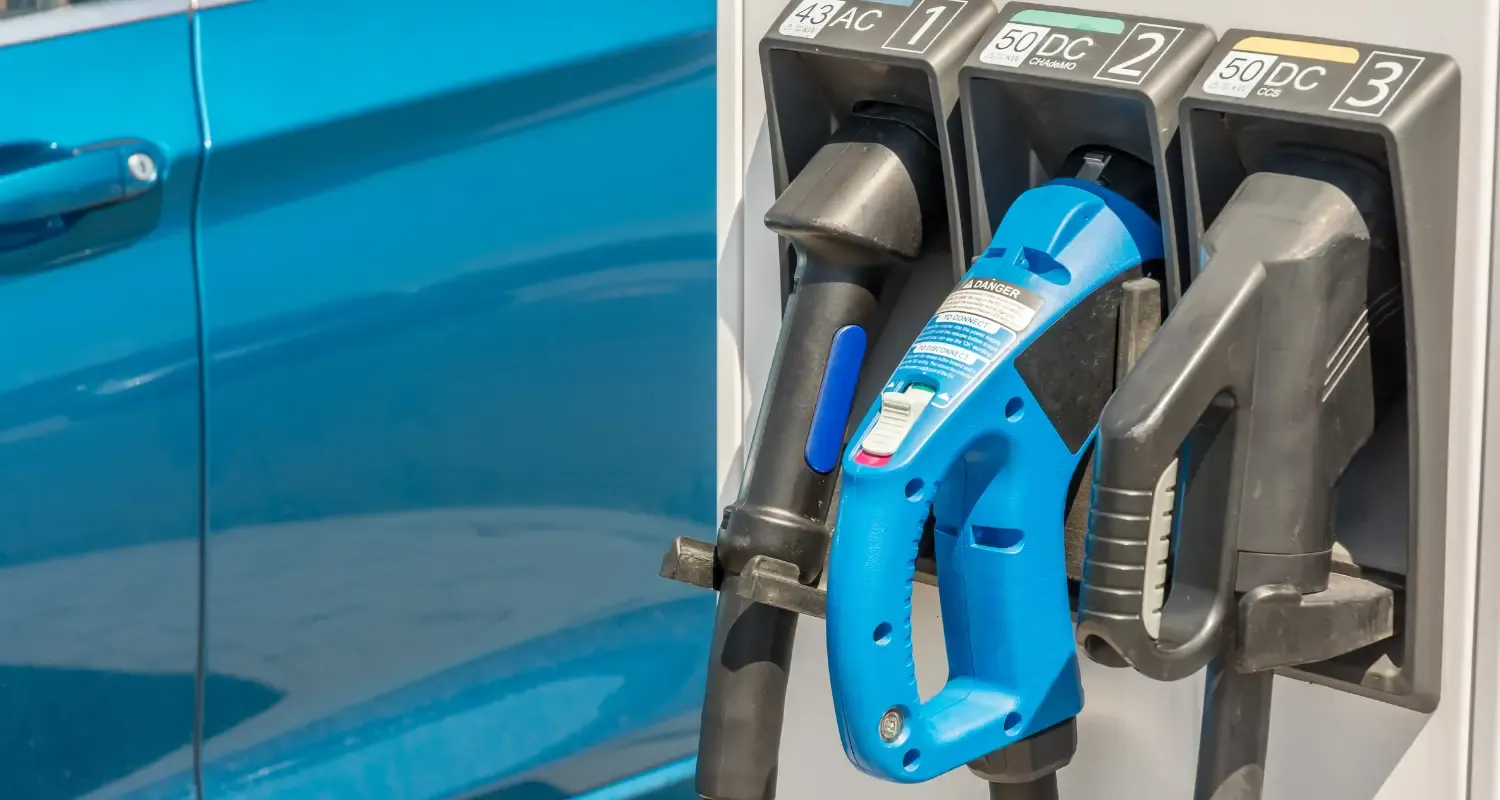
Before diving into options for multi-EV charging, it’s essential to understand the difference between charging levels:
Level 1 charging uses a standard 120V household outlet. It’s slow—typically adding only 3-5 miles of range per hour.
Level 2 charging, which requires a 240V outlet, is the most practical option for home use. It offers significantly faster charging speeds, generally 20-30 miles of range per hour, and can fully recharge most EVs overnight.
If you're planning to charge more than one EV at home, Level 2 is practically a must.
Most homes have electrical panels rated at 100 to 200 amps. A single Level 2 charger may draw 30 to 50 amps on its own. Charging two EVs simultaneously could strain or exceed your panel’s available capacity, depending on what else in your home is using electricity.
Before installing additional EV charging stations, an electrician should evaluate your electrical system to determine whether you need an upgrade or if load management systems can optimize your current setup.
When it comes to charging multiple EVs, homeowners typically have two options: share one charger or install multiple chargers. Let’s explore both approaches in more detail.
If you already have a Level 2 charger installed, you might be tempted to use it for both cars—one after the other. And guess what? That works just fine for many households.
Pros:
Low cost: No need to buy and install a second charger.
Simple setup: No additional upgrades to your home’s wiring or panel needed.
Good for occasional use: Ideal if you have one primary EV and a second vehicle used less frequently.
Cons:
Manual effort: You’ll need to swap the cable manually once the first car is done charging.
Limited flexibility: Only one vehicle charges at a time, which could be inconvenient if both cars are low on battery.
For couples or families with staggered work schedules or a guest vehicle, this method can work quite well. Just set a reminder to swap the charging cable, especially if you're relying on overnight charging.
For households with two full-time EVs, installing a second charger is often the most efficient and convenient solution.
Pros:
Full flexibility: Charge both vehicles at the same time.
Smart features: Many modern chargers come with apps that allow you to schedule, monitor, and prioritize charging.
Future-proofing: Prepares your home for additional EVs or even plug-in hybrids down the line.
Cons:
Higher cost: You’ll need to purchase and install a second charging station.
Potential electrical upgrades: You may need a panel upgrade or a load management system, especially in older homes.
If you often return home with two low-battery EVs, this option ensures both are ready to go by morning without any extra effort.
One of the biggest advancements in EV charging is smart load balancing—technology that helps you distribute your home’s available electrical capacity between multiple charging stations.
Some dual-port EV chargers or smart charging systems can:
Detect how much power is being used by other appliances.
Adjust EV charging speeds accordingly.
Alternate between vehicles to avoid overloading your panel.
Set charging priorities via smartphone apps.
This is especially useful if your home has limited electrical capacity or you want to avoid the cost of upgrading your panel. Smart chargers such as Tesla Wall Connector (Gen 3) with power-sharing capabilities make multi-EV charging seamless.
Dual EV chargers—also known as splitters—are designed to charge two EVs from a single 240V outlet. These units feature two charging ports and can manage power between the vehicles automatically.
Benefits:
No need for a second dedicated outlet or charger.
Intelligent software manages which car charges and when.
Usually more affordable than installing two separate units.
Some models allow both cars to charge simultaneously (at reduced speed), while others alternate between vehicles based on customizable schedules or priority settings.
This is a great compromise between the simplicity of a single charger and the flexibility of a dual-charger setup.
Not necessarily. Many homes can support two EV chargers without a full electrical upgrade, especially when using smart charging equipment.
That said, here are signs that you might need a panel upgrade:
Your panel is rated below 150 amps.
Your home has a lot of high-power appliances (e.g., electric water heater, heat pumps).
You want both EVs to charge at maximum speed simultaneously.
An electrician can conduct a load calculation to determine whether your home can support additional chargers or if you should consider:
Upgrading your panel.
Installing a load management system like DCC-9.
Using a time-of-use (TOU) energy plan to optimize charging schedules.
If you live in a household where both vehicles are used daily, you’ll need a plan. Here are some tips:
Set up your chargers (or schedule manually) so that one vehicle charges at night and the other in the morning. This avoids high concurrent loads.
Many smart chargers let you prioritize which car gets the most energy first. Use this if one family member has a longer commute.
Smart home energy systems like Sense or Emporia can help you monitor how much energy your EVs use and optimize when to charge.
Most utility companies offer reduced rates at night. Time your charging to those off-peak windows to save money.
Always use a licensed electrician experienced in EV charger installation. They’ll help:
Evaluate your panel.
Apply for any required permits.
Ensure safety and code compliance.
Level 2 charger: $500–$1,200 (equipment only)
Installation: $300–$1,000 per charger
Panel upgrade (if needed): $1,000–$3,000+
Prices vary depending on home layout, distance from the panel, and local codes.
Yes—many homeowners are combining solar panels with EV charging for a greener solution. You can pair solar with a home battery system to store excess energy and use it to charge vehicles during peak hours or power outages.
Some smart chargers can be set to only use solar energy, which maximizes your return on investment and reduces carbon footprint.
With EV adoption rising, it’s wise to consider your future needs. Here’s how to prepare:
Install conduit for additional chargers during the initial installation.
Choose chargers with Wi-Fi connectivity and software update capability.
Consider bi-directional (V2G) charging in the future, where your EV can supply power back to your home.
Keep an eye on wireless charging and robotic charging arms, which may become more common in a few years.
As more families go electric, charging multiple EVs at home is no longer a luxury—it’s a necessity. Whether you use one charger for both cars, invest in two smart chargers, or install a splitter, there’s a solution for every budget and lifestyle.
Start by assessing your home’s electrical capacity, consider your charging habits, and explore smart technology that can optimize your setup. With the right equipment and planning, keeping multiple EVs charged at home can be just as simple as filling up at a gas station—minus the fumes.