
80A Home EV Chargers: Redefining the Limits of Residential Electric Vehicle Charging
The electric vehicle revolution is not only changing what people drive — it is transforming how homes consume, manage, and distribute electricity. As battery capacities grow and drivers demand faster, more flexible charging options, a new class of residential equipment is emerging: the 80-amp home EV charger. Once a power level associated almost exclusively with commercial or fleet environments, 80A charging is now making its way into private garages, signaling a major evolution in residential energy capability.
This shift reflects a broader reality: modern homes are becoming high-energy ecosystems. From EVs and heat pumps to solar arrays and battery storage, households are evolving into dynamic energy hubs. Within this context, the 80A Level 2 EV charger represents the cutting edge of home charging performance — bridging the gap between traditional residential solutions and commercial-grade speed.
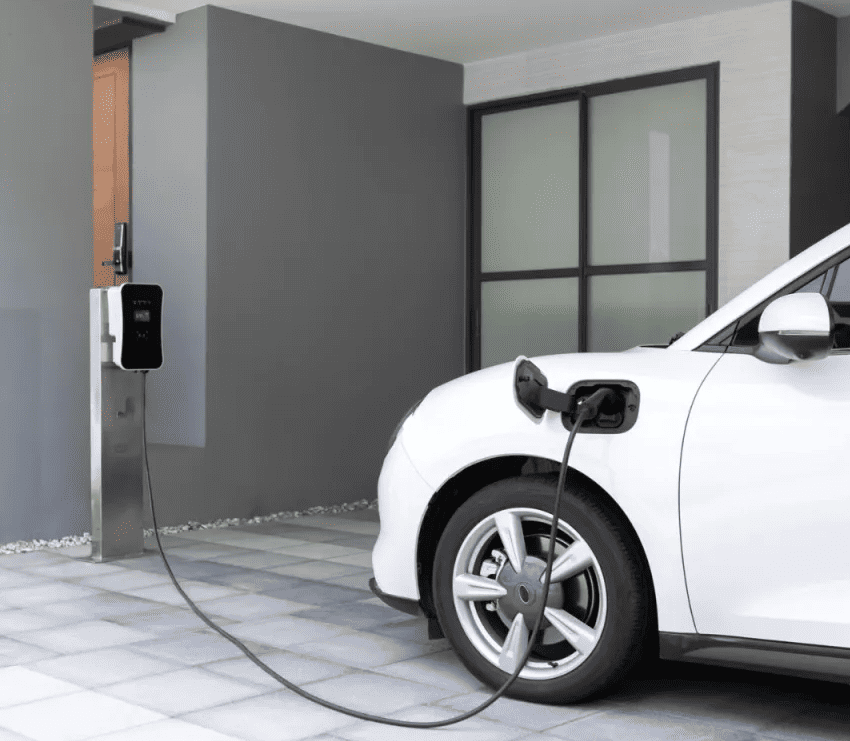
An 80-amp EV charger operates within the Level 2 charging category, using a 240-volt AC electrical supply. At full capacity, it can deliver up to 19.2 kilowatts (kW) of power (80A × 240V). This places it at the top end of what is currently practical for residential alternating-current charging.
For perspective:
Charging Level | Voltage | Typical Amperage | Power Output | Range Added Per Hour* |
Level 1 | 120V | 12–16A | 1.3–2.4 kW | 3–5 miles |
Standard Level 2 | 240V | 30–50A | 7–12 kW | Up to 40 miles |
High-Power Level 2 | 240V | 80A | Up to 19.2 kW | 50–75+ miles |
*Actual rates vary depending on vehicle efficiency and onboard charger limits.
While not every EV can accept the full 19.2 kW, more new models are being designed with higher AC charging acceptance, making 80A chargers increasingly relevant.
Early EVs typically had battery packs under 40 kWh. Today, many popular models feature 70–100 kWh batteries, with some exceeding that range. Larger batteries extend driving range but proportionally increase charging time at lower power levels.
Ride-share drivers, delivery operators, and long-distance commuters rely on EVs for heavy daily usage. Overnight charging at 7 kW may no longer be sufficient to replenish energy after high-mileage days.
As EV adoption grows, families often own more than one electric vehicle. Faster charging reduces scheduling conflicts and enables better energy allocation between vehicles.
In an era of instant digital services, drivers increasingly expect energy replenishment to be quick and convenient. Waiting 10–12 hours for a full charge feels outdated when higher-power options are available.
Consider a 100 kWh battery:
9.6 kW charger (40A): ~10–12 hours
19.2 kW charger (80A): ~5–6 hours
This reduction changes how drivers use home charging. Instead of planning overnight sessions exclusively, drivers can regain substantial range during shorter evening windows.
An 80A charger can add meaningful range even during short stops at home — such as between errands or during dinner breaks — making residential charging more flexible.
Automakers are steadily increasing onboard AC charger capacity. Installing an 80A charger today helps ensure compatibility with future EV models, protecting long-term investment.
Faster power transfer allows drivers to concentrate charging into low-rate utility periods, reducing energy costs.
High power delivery comes with infrastructure considerations.
An 80A EV charger typically requires:
A dedicated 100A circuit breaker
Appropriately rated wiring (often 3 AWG copper or similar, depending on distance and code)
Older homes with 100A or 150A service may not have enough spare capacity. Many installations involve upgrading to 200A or higher service panels.
Electricians must perform detailed load calculations to ensure the home can safely handle peak demand when EV charging overlaps with HVAC, appliances, and other loads.
Local electrical codes often include specific rules for EV charging installations, grounding, and GFCI protection.
Modern 80A chargers incorporate sophisticated protection systems:
- Overcurrent and short-circuit protection
- Ground fault detection
- Continuous temperature monitoring
- Cable and connector thermal protection
- Surge and lightning protection
These systems are essential to ensure safe operation at sustained high loads.
At 19.2 kW, energy management becomes critical. Advanced 80A chargers frequently include:
- Wi-Fi or Ethernet connectivity
- Mobile app control
- Remote diagnostics
- Charging schedules
- Real-time energy monitoring
Some systems adjust charging power automatically based on total home load, preventing circuit overload.
High-power chargers pair well with rooftop solar systems, allowing rapid transfer of daytime solar energy into EV batteries.
Certain utilities offer incentives for chargers that can reduce load during peak grid stress events.
As households transition toward all-electric transportation, the need for efficient charging management increases.
An 80A charger can:
- Rapidly charge one vehicle while another waits
- Share power between dual charging ports
- Reduce overnight scheduling pressure
This supports homes where both vehicles have large battery capacities.
Homes are no longer passive energy consumers. They are evolving into interactive energy nodes that combine:
- Solar generation
- Battery storage
- Smart appliances
- EV charging
An 80A charger becomes part of this coordinated system, capable of absorbing surplus renewable energy and interacting with energy storage strategies.
Feature | 80A Home Charger | DC Fast Charger |
Installation Location | Home | Commercial |
Power Type | AC | DC |
Power Level | Up to 19.2 kW | 50–350+ kW |
Use Case | Daily charging | Long-distance travel |
Cost | Moderate | Very high |
While DC fast charging remains essential for road trips, high-power Level 2 charging covers the vast majority of daily energy needs at lower cost.
The total installed cost depends on:
- Electrical panel upgrades
- Wiring distance
- Permit fees
- Labor
- Charger hardware
Although more expensive than lower-amperage units, 80A chargers provide long-term value for high-usage households.
Faster residential charging:
- Encourages off-peak energy use
- Improves renewable integration
- Reduces reliance on fossil-fuel peaker plants
Efficient home charging supports grid stability while promoting clean transportation.
Challenges include:
- Electrical upgrade costs
- Limited onboard acceptance for some EVs
- Space constraints in older homes
- Utility capacity limitations
However, these barriers are gradually decreasing as electrification infrastructure expands.
Although 80A home EV chargers are designed for durability and long service life, regular maintenance is important due to the high current they handle. Routine inspection helps ensure safety, performance, and system reliability over time.
Homeowners should periodically check the charging cable and connector for signs of wear, cracks, overheating marks, or bent pins. Because 80A systems operate at high power levels, cable integrity is critical to prevent resistance buildup and excess heat. Keeping connectors clean and free of dust or moisture also helps maintain efficient electrical contact.
The charger enclosure should be examined for physical damage, loose mounting, or water ingress, especially in outdoor installations. Ventilation openings must remain unobstructed to allow proper cooling of internal components. Overheating can shorten electronic lifespan.
It is also advisable to review system performance through the charger's smart monitoring platform, if available. Unusual temperature alerts, charging interruptions, or reduced output may indicate electrical or wiring issues that require professional evaluation.
A licensed electrician should perform periodic checks of circuit breakers, wiring connections, and grounding integrity. As household electrical loads evolve, reassessing load balance ensures continued safe operation. With proper care, an 80A EV charger can provide reliable high-speed charging for many years.
The next stage of 80A home charging may include:
Vehicle-to-Home (V2H)
Using EV batteries to power homes during outages.
Vehicle-to-Grid (V2G)
Supporting grid stability by exporting energy.
AI-Based Load Optimization
Predictive energy management based on usage patterns.
Higher Residential Standards
Future building codes may design homes with high-capacity EV circuits as standard.
The trend toward high-power residential charging is accelerating. As EV adoption rises and batteries grow larger, demand for faster home solutions will continue to increase. Manufacturers are responding with smarter, more compact, and more efficient 80A chargers.
The 80A home EV charger represents a turning point in residential electrification. By delivering near-commercial charging performance within a home environment, it addresses the needs of larger EV batteries, multi-vehicle households, and high-mileage drivers. Combined with advanced safety features and smart energy management, these systems redefine what home charging can achieve.
As homes become integrated energy platforms, the 80A charger stands out as a foundational technology — enabling faster charging, better renewable integration, and greater energy flexibility. In the evolving landscape of electric mobility, ultra-high-power residential charging is no longer a niche solution; it is becoming a cornerstone of the modern electrified home.
