
EV Charger Cable Management Solutions for Residential, Commercial, and Public Applications
As electric vehicles (EVs) continue to gain momentum worldwide, charging infrastructure has become a critical pillar supporting this transition. While much attention is given to charging speed, connector standards, and smart charging technologies, one essential aspect is often overlooked: EV charger cable management. Charging cables are the physical link between the vehicle and the power source, and how they are stored, handled, and protected plays a vital role in safety, reliability, and overall user experience.
Poorly managed charging cables can lead to safety hazards, premature wear, cluttered spaces, and user frustration. In contrast, effective cable management solutions help keep charging areas organized, extend cable lifespan, reduce maintenance costs, and create a cleaner, more professional charging environment. From residential garages to commercial parking facilities and public charging stations, cable management is no longer optional—it is a necessity.
This article explores the importance of EV charger cable management, beginning with how to choose the right charging cable, followed by common challenges, available cable management solutions, best practices for different environments, and future trends shaping this often-underestimated component of EV infrastructure.
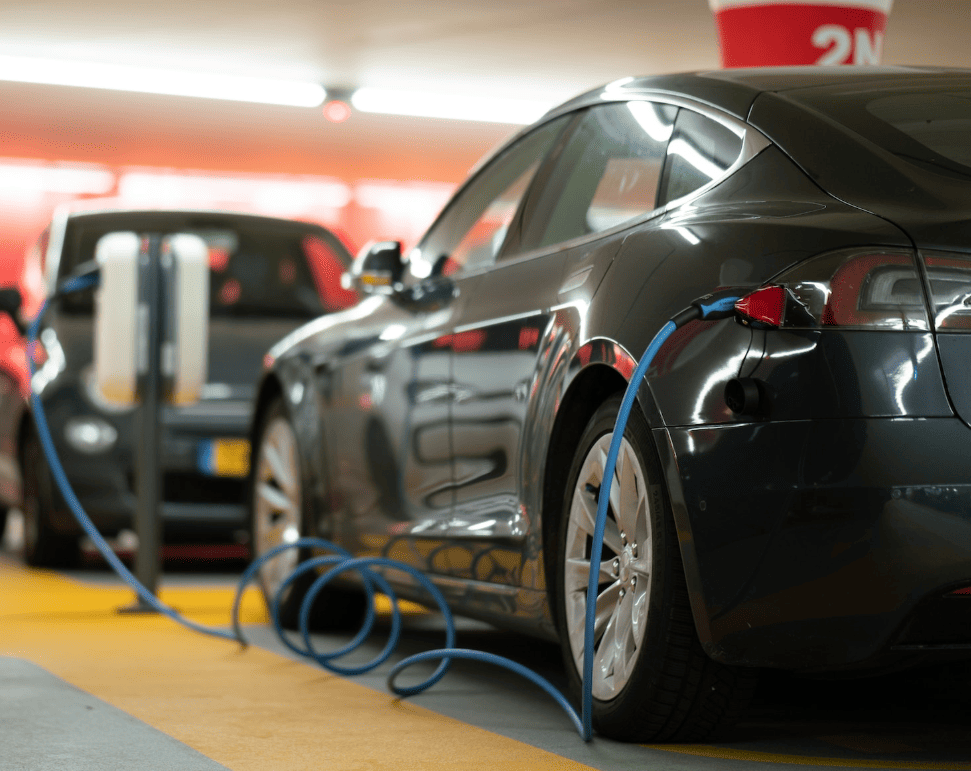
Before organizing or managing a charging cable, it is essential to ensure the cable itself is suitable for the application. EV charging cables differ in connector type, length, power rating, and construction quality. Selecting the correct cable lays the foundation for effective cable management and long-term performance.
Connector compatibility is the first and most critical consideration. The charging cable must match both the vehicle inlet and the charging station output.
- J1772 Connector: Widely used for Level 1 and Level 2 AC charging in North America, J1772 is compatible with most non-Tesla EVs, including models from Ford, GM, Volkswagen, Hyundai, and others.
- NACS (North American Charging Standard): Originally developed by Tesla, NACS is increasingly being adopted by other automakers and charging networks due to its compact design and support for both AC and DC charging.
- CCS and CHAdeMO: Primarily used for DC fast charging, these connectors are less common for home charging but still relevant for commercial and public infrastructure.
Choosing the correct connector eliminates the need for adapters, reduces connection points that could fail, and simplifies cable handling.
Charging cable length directly affects convenience and manageability. Standard EV charging cables typically range from 18 to 25 feet, although longer options are available for specialized installations.
- Shorter cables are easier to manage, lighter, and reduce the risk of tangling.
- Longer cables offer flexibility in parking layouts but can become cumbersome if not properly stored.
Selecting a cable that comfortably reaches the vehicle's charging port without excessive slack helps maintain a tidy charging area and minimizes trip hazards.
EV charging cables are exposed to frequent handling, temperature fluctuations, moisture, and mechanical stress. High-quality construction is essential for safety and longevity.
Key features to look for include:
- Reinforced insulation layers
- Weather-resistant outer jackets
- Strain relief at connector ends
- High-quality copper conductors
Durable cables are easier to manage, coil more naturally, and resist damage caused by improper storage.
While lower-cost cables may appear attractive initially, they often compromise on materials and safety certifications. Over time, these cables may degrade faster, increasing the risk of failure or replacement.
Investing in a high-quality cable reduces long-term costs and pairs more effectively with professional cable management systems, ensuring reliable charging performance over the cable's service life.
Ultimately, the charging cable is the lifeline between the EV and the power source. Pairing the right cable with a proper cable management solution ensures it remains secure, untangled, and protected every time charging takes place.
Effective cable management is about more than just neatness—it directly impacts safety, usability, and operational efficiency.
Loose or improperly stored charging cables can create multiple safety hazards:
- Trip-and-fall risks in garages or parking areas
- Cable damage from vehicles driving over exposed cables
- Electrical hazards caused by worn insulation or bent connectors
Proper cable management keeps cables off the ground, reduces strain on connectors, and helps prevent accidents.
Repeated twisting, kinking, or leaving cables exposed to harsh conditions accelerates wear and tear. Cable management systems support natural cable coiling, reduce mechanical stress, and protect cables from environmental damage, significantly extending their usable life.
A well-organized charging station is easier and faster to use. Drivers can quickly access the cable, plug in, and store it after use without frustration. In commercial and public settings, this improves customer satisfaction and encourages repeat use.
For businesses, property managers, and municipalities, clean and organized charging stations project professionalism and reliability. Cable management contributes to a polished appearance that reflects positively on the charging service provider.
Despite its importance, EV charger cable management presents several challenges across different environments.
Without proper storage, cables easily become tangled, making them difficult to use and increasing the risk of internal conductor damage.
Outdoor charging stations expose cables to UV radiation, rain, snow, and temperature extremes. Without protection, these factors degrade insulation and connectors over time.
Residential garages and urban parking facilities often have limited space, making it difficult to store long cables neatly without obstructing walkways or vehicle movement.
Public and fleet charging stations experience frequent use by different drivers, increasing the likelihood of improper handling and accelerated wear.
Addressing these challenges requires tailored cable management solutions suited to the specific application.
A wide range of cable management products is available to meet diverse charging needs.
Wall-mounted holders are popular for residential and workplace charging. They keep cables elevated, reduce floor clutter, and support organized coiling.
Simple hooks and brackets provide cost-effective cable storage and are easy to install. They are suitable for low-traffic environments such as private garages.
Retractable reels automatically manage cable length, keeping unused portions neatly stored. These systems are ideal for commercial and public charging stations where ease of use and durability are critical.
In areas where wall mounting is not possible, floor-mounted supports guide cables and protect them from vehicle traffic.
Many modern EV chargers incorporate built-in cable management features, such as holsters and cable wraps, offering a seamless and space-efficient solution.
Home EV charging is the most common use case, and effective cable management greatly enhances daily convenience.
In garages, wall-mounted holders or integrated charger holsters keep cables organized and prevent them from lying on the floor. Choosing a cable length tailored to the garage layout minimizes excess slack.
For outdoor installations, weather-resistant cable management accessories are essential. UV-stable materials and protective covers help safeguard cables against environmental exposure.
Positioning cable holders at a comfortable height ensures easy access for all users, reducing bending or strain during daily charging routines.
Commercial charging environments demand durable, scalable solutions that accommodate frequent use.
In office settings, cable management helps maintain a clean and professional appearance while supporting multiple users. Standardized cable lengths and storage systems improve consistency across charging points.
For retail centers, hotels, and restaurants, user-friendly cable management enhances customer satisfaction and reduces the need for staff intervention.
Fleet depots benefit from robust cable reels and structured cable routing systems that support high utilization and minimize downtime caused by cable damage.
Public charging stations face the most demanding conditions, making cable management a critical design consideration.
Public chargers require heavy-duty cable management solutions capable of withstanding frequent handling and misuse.
Cable management systems must comply with accessibility regulations, ensuring cables are reachable without obstructing pathways or creating hazards.
Organized cable storage reduces maintenance time and helps operators quickly identify damaged cables before they cause service interruptions.
Implementing best practices ensures long-term performance and safety.
- Choose cables with appropriate length and flexibility
- Use cable management solutions designed for the specific environment
- Avoid tight bends or sharp kinks during storage
- Inspect cables regularly for signs of wear or damage
- Educate users on proper cable handling
Consistency in these practices significantly reduces operational issues and extends equipment lifespan.
Sustainability is a core value of the EV industry, and cable management supports this goal.
By protecting cables from premature failure, effective management reduces waste and the need for frequent replacements. Longer-lasting cables mean fewer raw materials consumed and lower environmental impact across the product lifecycle.
As EV adoption accelerates, cable management technologies continue to evolve.
Smart Cable Management Systems
Integrated sensors and monitoring systems can detect cable strain, temperature changes, and usage patterns, enabling predictive maintenance.
Lighter and More Flexible Cables
Advancements in materials science are producing lighter, more flexible cables that are easier to manage and store.
Standardization and Design Integration
Future charging stations are expected to feature standardized, built-in cable management solutions that simplify installation and improve user experience.
EV charger cable management is a vital yet often underestimated component of electric vehicle charging infrastructure. From enhancing safety and extending cable lifespan to improving user experience and supporting sustainability, effective cable management delivers tangible benefits across residential, commercial, and public charging environments.
By selecting the right charging cable and pairing it with appropriate cable management solutions, EV owners, businesses, and infrastructure operators can ensure reliable, safe, and efficient charging operations. As the EV ecosystem continues to grow, thoughtful cable management will remain a key factor in delivering high-quality, future-ready charging solutions.
