
A Comprehensive Look at EV Charging Station Safety and Compliance
As electric vehicles (EVs) continue to gain widespread adoption worldwide, EV charging stations have become a critical part of modern transportation infrastructure. From private home garages to public fast-charging hubs along highways, these stations play a vital role in enabling cleaner, more sustainable mobility. However, behind the convenience and efficiency of EV charging lies a powerful electrical system that demands careful attention to safety.
EV charging equipment operates at high voltages and currents, transferring large amounts of electrical energy in relatively short periods. While these systems are engineered with multiple layers of protection, faults can still occur if equipment is poorly designed, improperly installed, inadequately maintained, or misused. In rare but serious cases, electrical malfunctions can lead to overheating, electric shock, or fire hazards.
Compounding these risks is the nature of lithium-ion batteries—the energy storage core of most electric vehicles. Although lithium-ion technology is generally safe and highly reliable, batteries can fail under specific conditions such as physical damage, exposure to extreme temperatures, aging, or charging abnormalities. When a battery enters a state known as thermal runaway, it can rapidly overheat, release flammable or toxic gases, and ignite surrounding materials. Given that modern vehicles contain a significant amount of plastic and synthetic components, fires can spread quickly and become difficult to extinguish.
For these reasons, EV charging station safety is not just a technical concern—it is a critical public safety issue. Governments, industry organizations, and manufacturers around the world have established strict standards, certifications, and best practices to minimize risks and ensure that EV charging remains safe for drivers, properties, and communities. This article explores the key safety standards governing EV charging equipment, explains their importance, and outlines practical steps EV owners can take to stay safe while charging at home.
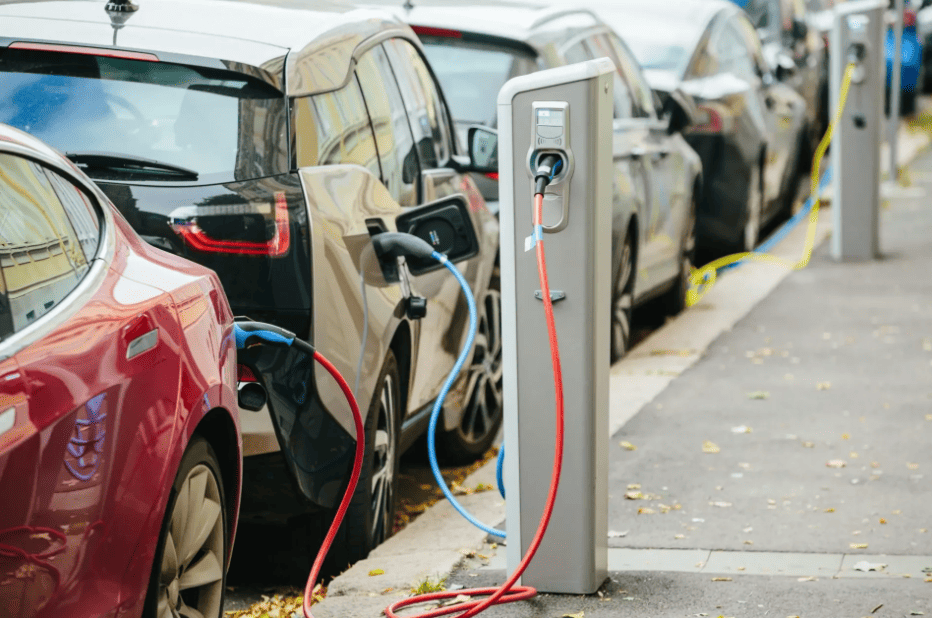
Before examining standards and certifications, it is important to understand why EV charging safety requires special attention.
Unlike traditional household appliances, EV chargers handle significantly higher power levels. Even a standard Level 2 home charger typically operates at 240 volts and can deliver anywhere from 7 kW to over 19 kW. DC fast chargers used in public locations can exceed 150 kW or even 350 kW. At these power levels, loose connections, damaged cables, or faulty components can generate excessive heat very quickly.
Lithium-ion batteries are designed with advanced battery management systems (BMS) that monitor temperature, voltage, and current. However, external factors such as defective charging equipment, power surges, or improper installation can overwhelm these safeguards. Battery fires, while rare, burn hotter and longer than conventional fires and may release hazardous gases.
EV chargers are often installed outdoors, where they are exposed to rain, snow, dust, and temperature fluctuations. Without proper enclosure ratings, grounding, and insulation, environmental exposure can increase the risk of corrosion, short circuits, and insulation failure over time.
These risks highlight why globally recognized safety standards are essential for EV charging equipment.
The Society of Automotive Engineers (SAE) plays a leading role in defining EV charging standards, particularly in North America. SAE standards focus on interoperability, communication, and safety between electric vehicles and charging stations.
SAE J1772 is the most widely recognized standard for Level 1 and Level 2 AC EV charging in North America. It defines the physical connector design, pin configuration, and communication protocols between the vehicle and the charging station.
From a safety perspective, SAE J1772 ensures that:
Power is not delivered until a secure connection is established.
The charger and vehicle continuously communicate during charging.
Charging stops automatically if a fault is detected.
Ground fault protection is integrated to reduce the risk of electric shock.
By standardizing these features, SAE J1772 allows EVs and chargers from different manufacturers to work together safely and reliably.
Another important SAE standard is SAE J2954, which governs wireless power transfer (WPT) for electric vehicles. This standard defines multiple wireless charging power classes—WPT 1, WPT 2, and WPT 3—operating at approximately 3.7 kW, 7.7 kW, and 11 kW respectively.
Safety considerations within SAE J2954 include:
Foreign object detection to prevent overheating of metallic objects.
Controlled electromagnetic field exposure.
Precise alignment requirements to ensure efficient and safe power transfer.
Wireless charging remains an emerging technology, but standardized safety measures are essential for its long-term adoption.
The International Electrotechnical Commission (IEC) develops international standards for electrical and electronic technologies. IEC standards are widely adopted across Europe, Asia, and many other regions, making them critical for global EV charging safety.
IEC 61851 addresses the general requirements for conductive EV charging systems. It covers a wide range of safety measures, including:
Protection against electric shock.
Insulation coordination.
Control and communication between the charger and the vehicle.
Emergency shutdown procedures.
This standard ensures that EV chargers are designed to handle fault conditions safely and minimize risks to users and equipment.
IEC 62196 defines the design and performance requirements for EV charging connectors and inlets, including widely used types such as Type 1, Type 2, and CCS connectors. Proper connector design is essential for preventing overheating, arcing, and accidental disconnection during charging.
IEC 62752 focuses on in-cable control and protection devices used in portable EV charging cables, particularly for Level 2 charging. It specifies requirements for residual current detection, temperature monitoring, and automatic power cut-off in unsafe conditions.
In the European Economic Area (EEA), CE marking is a mandatory requirement for EV charging equipment sold or installed in the market. The CE mark indicates that a product has been assessed and found to comply with relevant European Union health, safety, and environmental protection regulations.
For EV chargers, CE marking typically confirms compliance with:
The Low Voltage Directive (LVD), which ensures electrical safety.
The Electromagnetic Compatibility (EMC) Directive, which prevents harmful electromagnetic interference.
CE marking does not represent a single test but rather a declaration that the product meets all applicable EU requirements. It provides assurance to consumers and regulators that the charger has been designed with safety in mind.
In Canada, EV charging equipment must meet standards set by the Canadian Standards Association (CSA). CSA certification focuses on safe electrical design and construction, with particular emphasis on fire prevention.
CSA C22.2 outlines the requirements for electrical equipment, including EV chargers, to ensure they operate safely under normal and fault conditions. This standard addresses:
Proper insulation and grounding.
Overcurrent protection.
Resistance to environmental stress.
Fire containment and prevention.
CSA-certified chargers are tested to withstand real-world conditions commonly encountered in Canadian climates, including cold temperatures and moisture.
While not a formal safety certification, compliance with the Open Charge Point Protocol (OCPP) plays an important role in modern EV charging safety. OCPP is an open communication protocol that allows charging stations to connect with central management systems.
Through OCPP-enabled platforms, operators can:
Monitor charging stations remotely.
Detect faults or abnormal behavior in real time.
Perform firmware updates to address safety issues.
Shut down malfunctioning chargers immediately.
By enabling continuous monitoring and diagnostics, OCPP enhances operational safety and helps prevent minor issues from escalating into serious hazards.
Home charging offers unmatched convenience, but it also places responsibility on EV owners to follow safe charging practices. Fortunately, a few simple steps can significantly reduce risks.
Always select EV chargers that are certified by recognized testing bodies such as UL, CSA, or TÜV. Hardwired Level 2 chargers are generally safer and more reliable than plug-in units, as they reduce the risk of loose connections.
Have your charger installed by a licensed electrician who is familiar with local electrical codes and EV charging requirements. Proper grounding, circuit protection, and load calculations are essential for safe operation.
Check charging cables and connectors at least once a month for signs of wear, cracking, or discoloration. Damaged cables should be replaced immediately.
Avoid running charging cables across driveways or walkways where they can be driven over or tripped on. Cable damage is a common cause of charging-related faults.
Do not charge your EV during thunderstorms or flooding conditions. While most chargers are weather-resistant, extreme conditions increase the risk of electrical hazards.
After rain or snow, dry off connectors before plugging them in. Most chargers offer IP54 protection or higher, but moisture management adds an extra layer of safety.
Always refer to the user manual for proper operation, maintenance, and troubleshooting. Manufacturer guidelines are designed to address specific safety considerations for each model.
EV charging station safety is a shared responsibility involving manufacturers, regulators, installers, and users. As EV adoption continues to accelerate, robust safety standards such as SAE, IEC, CE, CSA, and smart protocols like OCPP provide the foundation for safe and reliable charging infrastructure.
By understanding the risks, choosing certified equipment, following proper installation practices, and adopting safe charging habits, EV owners can confidently enjoy the benefits of electric mobility. With continued innovation, regulation, and education, EV charging will remain not only fast and convenient—but safe for everyone.
