
How Bidirectional EV Chargers Are Transforming Home Energy and Grid Stability
The rapid electrification of transportation is reshaping global energy systems, and bidirectional EV charging has emerged as one of the most transformative technologies driving this change. Unlike traditional EV chargers, which only deliver electricity to a vehicle, bidirectional chargers allow energy to flow both ways—from the grid to the vehicle and from the vehicle back to a home, building, or utility network.
This capability unlocks the true potential of electric vehicles as mobile energy storage assets. With bidirectional charging, EVs can supply backup power during outages, reduce electricity bills through peak-load management, support renewable energy integration, and contribute to grid stability through participation in vehicle-to-grid (V2G) programs.
As countries accelerate clean-energy transitions and more renewable power sources join the grid, bidirectional charging is expected to play a key role in balancing intermittent energy supply and growing consumer demand. This industry news feature explores the latest developments, benefits, challenges, and future outlook for bidirectional EV charging technology.
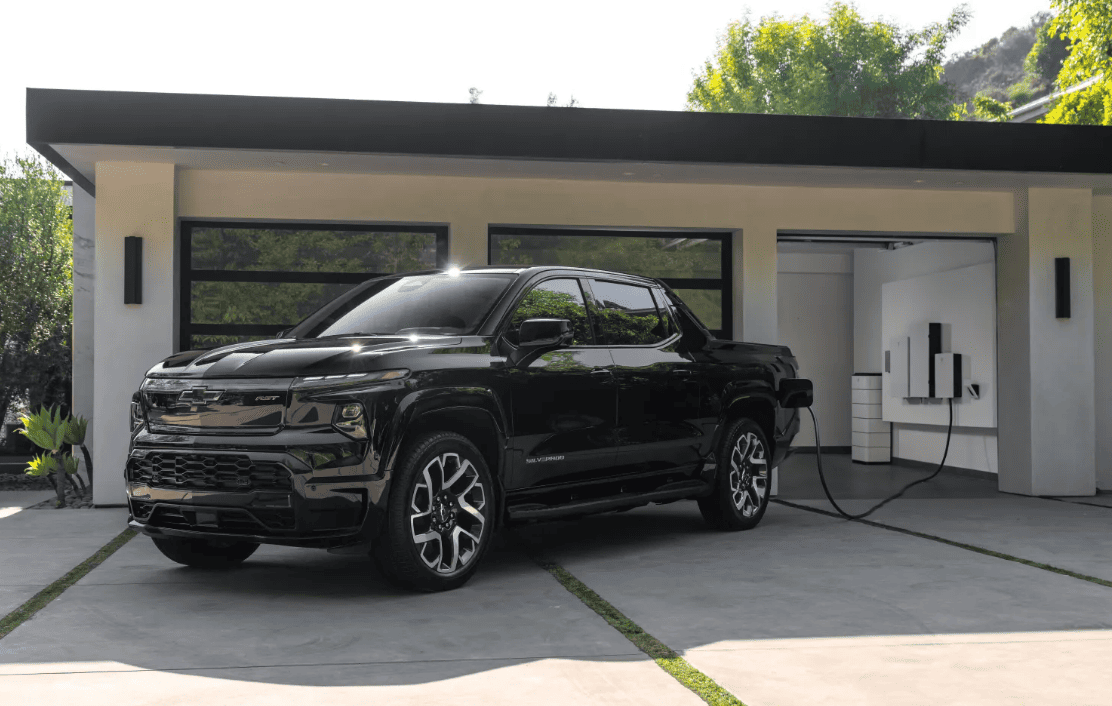
A bidirectional EV charger is a specialized charging system capable of enabling energy flow in both directions—charging the EV's battery and discharging stored energy to external loads. This two-way capability allows electric vehicles to serve as decentralized power sources, fundamentally shifting how energy is produced, stored, and consumed.
While conventional EV chargers typically convert AC power from the grid into DC power for battery storage, bidirectional chargers include advanced electronics that can reverse this process, sending DC power from the battery back to AC power for use in homes or transmission to the grid. This additional functionality requires higher-grade components, sophisticated control software, and compatible EV battery systems designed to support two-way power flow.
Bidirectional chargers currently support three primary applications:
- Vehicle-to-Grid (V2G) – Energy discharged from the EV is fed into the utility grid.
- Vehicle-to-Home (V2H) – The EV powers household appliances or an entire home.
- Vehicle-to-Load (V2L) – The EV directly powers appliances or tools via onboard power outlets.
Each of these use cases represents a major shift in how consumers and utilities interact with electric vehicles.
V2G technology allows fleets of electric vehicles to discharge energy into the power grid during peak demand. This provides several critical benefits:
- Grid stabilization: EV batteries help balance fluctuations from renewable energy sources like wind and solar.
- Peak shaving: EVs supply energy when demand spikes, reducing strain on power infrastructure.
- Frequency regulation: Small, rapid bursts of power correct grid frequency deviations.
- Economic incentives for users: Utilities may offer payments or credits to EV owners participating in V2G programs.
Countries like Japan, the US, the UK, and parts of Europe are already conducting large-scale V2G trials to evaluate its commercial viability. In these programs, EVs act as distributed energy resources (DERs), offering utilities a flexible, cost-effective alternative to expensive grid upgrades.
As renewable energy penetration increases, V2G is expected to become a vital tool in ensuring grid reliability.
V2H systems allow homeowners to use their EV as a backup generator or energy optimization tool. By discharging stored energy during high-price electricity periods or during grid outages, EV owners can significantly reduce costs and improve resilience.
Key benefits include:
- Lower energy bills: Charge the EV during low-cost off-peak hours and discharge during peak demand.
- Solar optimization: Store excess daytime solar energy in the vehicle for nighttime household use.
- Emergency backup power: A fully charged EV can power a home for hours—or even days—depending on consumption and battery capacity.
With extreme weather events increasing globally, residential backup power has become more valuable than ever. V2H systems offer a cleaner, quieter alternative to traditional generators.
V2L allows users to power devices directly using onboard plugs or via a portable power interface. This is especially useful for:
- Camping and outdoor activities
- Construction sites
- Emergency response operations
- Mobile businesses
Many modern EV models, such as the Ford F-150 Lightning, Hyundai IONIQ 5, and Kia EV6, offer V2L ports that provide 120V or 230V output for tools, appliances, and electronics.
Bidirectional charging depends heavily on complex power conversion technology. Standard EV charging uses AC power from the grid, which must be converted into DC power for the vehicle's battery. Bidirectional chargers reverse this process during power export.
The conversion involves:
- Electricity enters the charger as AC power.
- A rectifier converts AC to DC.
- The DC power is regulated and fed into the EV battery.
- Energy stored in the EV battery is drawn as DC power.
- An inverter converts DC back to AC.
- The AC output is directed to the grid or home.
These processes require high-efficiency power electronics to minimize energy loss. Modern bidirectional chargers achieve 94%–96% efficiency, meaning only a small percentage of power is lost during conversion.
A fully functional bidirectional charging system requires several interconnected components working in harmony:
The core device that contains power electronics, intelligent controllers, communication modules, and safety hardware.
Features typically include:
- Inverters for DC-to-AC conversion
- Rectifiers for AC-to-DC conversion
- Overcurrent and overvoltage protection
- Thermal management systems
- Grid-sync capabilities
Not all EVs currently support bidirectional charging. Compatibility depends on:
- Battery management system (BMS) design
- Powertrain architecture
- Supported communication protocols (e.g., ISO 15118)
Leading EV brands supporting bidirectional functions include Nissan, Mitsubishi, Ford, Hyundai, and Kia, with more manufacturers planning compatibility in upcoming models.
To ensure the safety of utility workers and prevent electricity from flowing illegally during an outage, V2H and V2G systems require:
- Automatic transfer switches
- Load-disconnect contactors
- Anti-islanding protection
Optimization software determines:
- When the EV should charge
- When it should discharge
- How to balance user preferences, grid needs, and battery health
These systems help minimize energy costs and maximize battery longevity.
Bidirectional charging relies on intelligent communication via standards such as:
- ISO 15118 – Enables secure, automated EV-charger communication
- OCPP – Allows remote management of charging stations
- Utility-level communication protocols for grid interaction
Robust communication ensures efficient coordination between all components.
The bidirectional EV charging market is projected to grow rapidly over the next decade as governments promote EV adoption and decentralized energy.
Key drivers include:
- Rising demand for renewable energy integration
- Investments in smart-grid modernization
- Expansion of V2G pilot programs
- Growing consumer interest in backup power
- Supportive government policies and incentives
Countries such as the US, UK, Germany, Japan, and Australia are leading the rollout of bidirectional charging infrastructure.
Major automakers have begun integrating bidirectional capabilities into next-generation EVs. Highlights include:
- Ford – F-150 Lightning promotes home backup via V2H functionality.
- Hyundai/Kia – Multiple models support V2L and future V2G capability.
- Nissan – A pioneer with the LEAF's long-standing V2G support.
- Volkswagen – Plans to add V2G support across its MEB platform.
These commitments signal industry-wide movement toward full two-way power integration.
Utilities are increasingly exploring V2G as a flexible tool to support:
- Peak-demand reduction
- Frequency and voltage control
- Renewable balancing
- Emergency resilience
Pilot programs worldwide have shown that even a small number of EVs can significantly improve grid reliability during periods of high stress.
Bidirectional chargers offer significant advantages for consumers, grid operators, and energy markets:
Smart scheduling allows EV owners to purchase electricity at off-peak rates and discharge during high-cost periods.
EVs can serve as clean, silent backup generators, providing power during outages.
Bidirectional charging helps store surplus solar or wind energy, smoothing out fluctuations.
V2G participation supports frequency regulation and lowers the need for fossil-fuel peaker plants.
EV owners may earn payments by participating in energy markets.
Optimized energy use reduces reliance on high-emission power generation.
Despite its potential, bidirectional EV charging faces several hurdles:
Only a small percentage of EV models currently support bidirectional energy flow.
Bidirectional chargers are more expensive than standard chargers due to advanced electronics and certification requirements.
Many regions lack clear regulations for V2G energy exports or compensation.
While controlled discharge cycles are generally safe, excessive use may accelerate battery wear.
Homes may need electrical upgrades, including transfer switches and inverter-compatible panels.
Bidirectional EV charging is poised for substantial growth as technology advances and regulatory frameworks mature.
Key Trends to Watch
- Wider EV compatibility across global automakers
- ISO 15118-enabled smart charging becoming the industry standard
- AI-driven energy management software improving efficiency
- Integration with home energy systems, solar, and battery storage
- Expansion of V2G revenue programs for consumers and fleets
By 2030, bidirectional charging may become a standard feature of most EVs, transforming electric vehicles into essential components of smart homes and smart grids.
Bidirectional EV chargers represent a significant leap forward in electric mobility and energy management. By enabling two-way power flow, they unlock new possibilities for consumers, businesses, and utility operators. From powering homes during outages to stabilizing energy grids and optimizing renewable energy usage, bidirectional charging supports a future where EVs serve not just as transportation, but as active assets in the global energy ecosystem.
As technology continues to evolve and more vehicles become compatible, bidirectional charging is expected to become a cornerstone of sustainable, resilient, and efficient energy infrastructure worldwide.
