
Charging a Non-Tesla at a Tesla Supercharger: Complete 2026 Guide
As electric vehicle (EV) adoption accelerates across North America and Europe, access to reliable, high-speed charging infrastructure has become a central concern for drivers. For years, the Tesla Supercharger network was largely exclusive to Tesla vehicles, offering seamless plug-and-charge convenience for Tesla owners. However, that landscape is changing. Today, many non-Tesla EV drivers can access select Supercharger stations—provided they understand compatibility requirements, connector types, and app-based activation.
Charging a non-Tesla at a Supercharger is no longer a rare exception. With proper planning, the experience can be nearly as smooth as using any other DC fast charger. Still, there are important details to consider before pulling up to a Supercharger stall in a Ford, Hyundai, Rivian, or other EV brand.
This comprehensive guide explains how Superchargers work, what equipment you may need, how to initiate a charging session, billing procedures, charging best practices, and key limitations you should know.
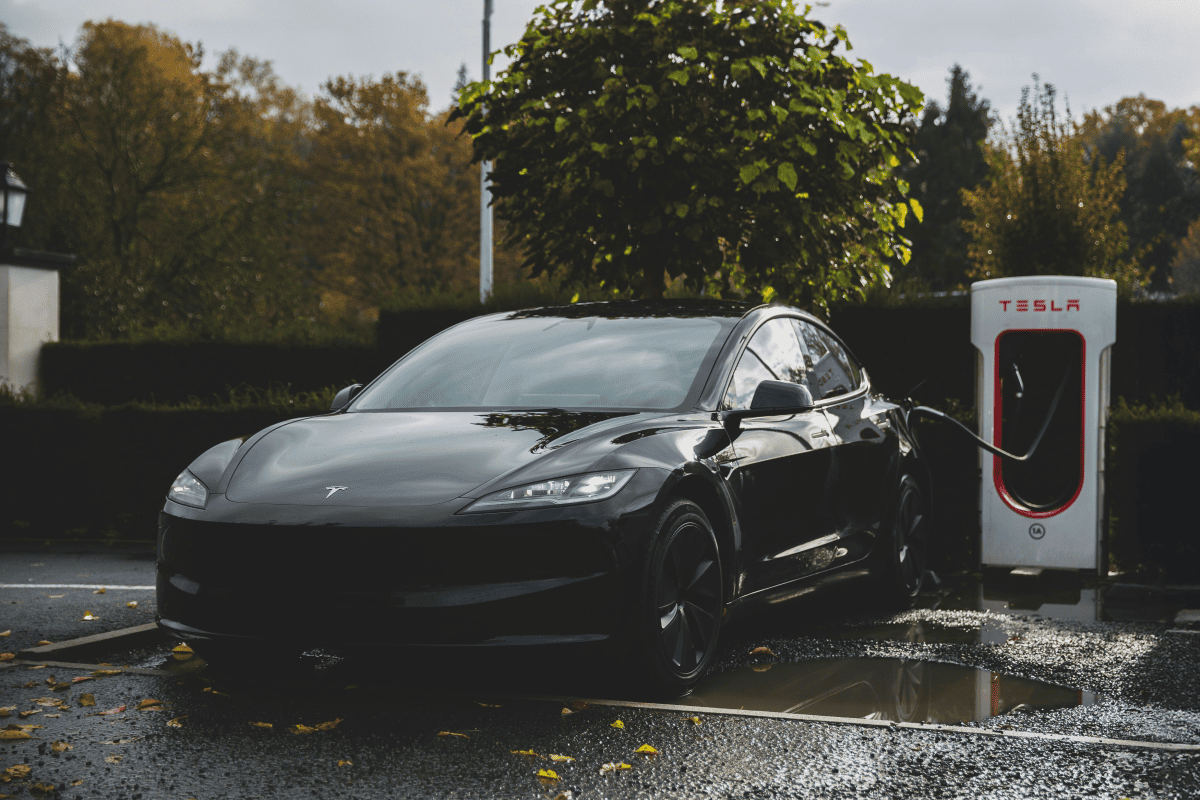
The Tesla Supercharger network is one of the largest and most reliable DC fast charging networks in the world. Designed initially for Tesla vehicles, Superchargers deliver high-power DC electricity directly to an EV battery, bypassing the vehicle's onboard AC EV charger. This allows significantly faster charging compared to Level 2 AC stations.
Superchargers are typically located along major highways, near shopping centers, restaurants, and travel corridors. They are designed for quick stops—often delivering substantial range in 15 to 30 minutes, depending on the vehicle and battery conditions.
Historically, access was restricted to Tesla models. But as industry standards shift toward greater interoperability, Tesla has opened portions of its network to non-Tesla EVs in various regions.
No. Not every Supercharger location is currently open to non-Tesla vehicles.
Access depends on:
- Location (country and region)
- Supercharger generation (V2, V3, V4)
- Connector type
- Agreements between Tesla and specific automakers
Some newer Supercharger stations are equipped with built-in adapters or use standardized connectors compatible with non-Tesla EVs. Others still require external adapters.
Before planning a trip, drivers should check:
- The Tesla app
- Their vehicle manufacturer's charging compatibility announcements
- In-vehicle navigation systems that list compatible Supercharger sites
Availability is expanding rapidly, but it is not yet universal.
One of the most important factors when charging a non-Tesla vehicle at a Supercharger is the connector type.
Tesla developed its own proprietary connector in North America, now referred to as the North American Charging Standard (NACS). Many automakers have announced plans to adopt NACS moving forward.
Some newer non-Tesla EVs will come with native NACS ports, allowing direct plug-in access without adapters.
Most non-Tesla EVs currently on the road use CCS connectors for DC fast charging. To connect to a Tesla Supercharger using a CCS vehicle, one of the following is required:
- A Supercharger station equipped with a built-in CCS-compatible cable
- A Tesla-approved adapter compatible with your vehicle
Compatibility varies by automaker and model year, so checking official documentation is essential.
In many cases, yes.
Depending on your vehicle and the specific Supercharger location:
- Some Superchargers have built-in Magic Dock adapters.
- Some automakers provide or sell compatible adapters.
- Some vehicles can plug in directly if equipped with NACS.
It's important to confirm:
- Whether your vehicle manufacturer has authorized Supercharger access
- Whether your specific model requires an adapter
- Whether the charging site supports non-Tesla vehicles
Carrying an approved adapter in your vehicle can prevent inconvenience during long-distance travel.
Unlike Tesla vehicles, which communicate directly with Superchargers for automatic authentication and billing, non-Tesla vehicles require manual session initiation.
To charge a non-Tesla at a Supercharger:
- Download the Tesla app.
- Create an account.
- Add a valid payment method.
- Select the charging location within the app.
- Choose the specific stall number.
- Initiate charging through the app.
Once charging begins, you can monitor progress and costs within the app.
For Tesla vehicles, the process is simpler. Charging begins automatically once plugged in, and billing is processed through the vehicle's linked Tesla account. The app is optional for Tesla owners but mandatory for non-Tesla drivers.
Here is a general overview of the process:
Ensure your vehicle brand and model are approved for Supercharger use.
Use the Tesla app or your vehicle's navigation system to confirm that the station supports non-Tesla vehicles.
Supercharger cables are typically positioned for Tesla charge ports. Non-Tesla vehicles may need to park carefully to reach the connector.
Attach the adapter to the Supercharger cable before plugging it into your vehicle.
Open the Tesla app and initiate the charging session.
Track charging speed, battery percentage, and costs through the app or your vehicle display.
Once finished, stop the session in the app and disconnect.
With familiarity, the process becomes routine and straightforward.
Charging speed depends on multiple factors:
- Battery state of charge (SOC)
- Battery temperature
- Vehicle charging capability
- Supercharger generation (V2, V3, V4)
- Power sharing between stalls
Tesla recommends charging up to 80% rather than 100%. This advice applies to all EVs, not just Teslas.
Why?
As the battery fills, charging speed decreases significantly to protect battery health. The final 20% can take nearly as long as the first 80%.
For efficient road trips, charging from approximately 10% to 80% often delivers the best time-to-range ratio.
Pricing for non-Tesla vehicles may differ from Tesla vehicle rates.
Fees can include:
- Per-kWh energy charges (where permitted by regulation)
- Per-minute rates (in some regions)
- Idle fees for remaining plugged in after charging is complete
- Possible premium pricing for non-Tesla users
Payment is processed through the Tesla app for non-Tesla drivers.
Some regions may also offer membership plans within the Tesla app that reduce per-kWh rates.
Always check local pricing before starting a session.
Superchargers are designed for fast turnover. Once charging completes:
- Move your vehicle promptly.
- Avoid occupying a stall longer than necessary.
- Monitor notifications from the app.
Idle fees may apply if you remain connected after charging is finished, especially during high-demand periods.
Proper charging etiquette ensures fair access for all EV drivers.
While access is expanding, non-Tesla charging at Superchargers can involve minor inconveniences:
Cable Length
Tesla cables are often shorter than those found at other DC stations. Non-Tesla charge ports may be located in different positions, requiring creative parking.
Software Communication
Some early compatibility rollouts experienced handshake issues between vehicles and chargers. Firmware updates from automakers have improved reliability.
Power Limitations
Some non-Tesla vehicles may not achieve maximum Supercharger output due to vehicle charging limitations.
Understanding these factors reduces frustration.
Despite potential challenges, there are clear advantages:
Reliability
Superchargers have historically maintained strong uptime and reliability.
High Power Output
Many locations offer 250 kW or higher charging capability.
Convenient Locations
Stations are often located along major travel routes with nearby amenities.
Network Expansion
Ongoing expansion increases accessibility for all EV drivers.
For road trips, access to Superchargers can significantly reduce range anxiety.
If you're planning interstate travel:
- Map routes using the Tesla app.
- Verify compatible stations along the way.
- Confirm adapter availability.
- Plan charging stops around 10–20% battery remaining.
- Aim to charge to 70–80% before continuing.
This strategy minimizes charging time and optimizes battery efficiency.
The EV industry is moving toward greater standardization. Several major automakers have announced adoption of Tesla's North American Charging Standard.
This transition may eventually eliminate the need for adapters and simplify access across networks.
In the coming years, more Supercharger sites are expected to support multiple brands natively, improving convenience for all EV drivers.
In many cases, yes.
If:
- You are traveling long distances.
- CCS networks are limited in your area.
- You value high reliability.
- You have confirmed compatibility.
Then using a Supercharger can be an excellent option.
However, always compare:
- Charging costs
- Network availability
- Location convenience
Diversifying charging options ensures flexibility.
To maximize your experience:
- Precondition your battery before arrival (if supported).
- Avoid charging beyond 80% unless necessary.
- Monitor idle fees.
- Keep firmware updated.
- Carry the correct adapter at all times.
- Respect stall layout and other drivers.
These simple habits improve charging speed and reduce overall travel time.
Charging a non-Tesla at a Supercharger is no longer complicated—but it does require preparation. While not all locations are accessible, and some vehicles require adapters or app-based activation, the process has become increasingly streamlined.
With the Tesla app installed, payment information ready, and compatibility confirmed, charging at a Supercharger can be nearly as easy as using any other DC fast charger.
As EV infrastructure continues to evolve, cross-brand charging compatibility will likely become the norm rather than the exception. For now, understanding connector types, charging limits, pricing structures, and etiquette ensures a smooth and efficient experience.
With proper planning, you can confidently add Superchargers to your charging strategy—no matter what EV you drive.
