
How to Maintain Your AC EV Charger for Longer Lifespan and Better Performance
As electric vehicles (EVs) become increasingly common in homes, workplaces, and public spaces, AC EV chargers have become an essential part of daily life. For most EV owners, the AC charger is used more frequently than DC fast chargers, making it a critical component in maintaining both vehicle performance and battery longevity.
However, many users focus only on maintaining the vehicle itself and overlook the importance of charger care. Poor maintenance of your AC EV charger can lead to reduced charging efficiency, safety risks, higher energy costs, and even potential damage to your vehicle's battery system.
In this guide, we explore the factors affecting electric vehicle lifespan, the relationship between charging habits and battery health, and most importantly, practical and professional strategies to maintain your AC EV charger for long-term reliability and safety.
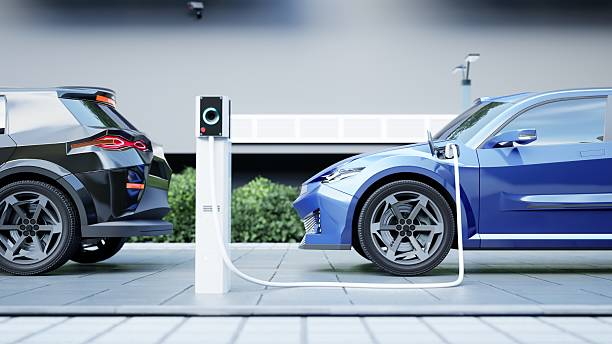
While electric vehicles are known for having fewer moving parts than traditional internal combustion engine vehicles, their longevity is influenced by several interconnected factors. Understanding these elements helps you see why proper charger maintenance matters.
The most critical factor affecting an EV's lifespan is the battery.
Lithium-ion batteries, which power most modern EVs, have a limited number of charge and discharge cycles. A "cycle" refers to one full discharge and recharge. Each cycle slightly degrades the internal chemical structure of the battery.
Over time:
- Battery capacity gradually decreases
- Charging speed may reduce
- Driving range shortens
Frequent deep discharges and rapid charging can accelerate this degradation. Although AC charging is generally gentler than DC fast charging, poor charger conditions—such as unstable voltage or overheating—can still negatively impact battery health.
Maintaining your AC EV charger ensures stable current delivery, which protects the battery from unnecessary stress.
Aggressive acceleration, high-speed driving, and heavy loads increase battery stress and energy consumption. Frequent rapid acceleration demands higher power output from the battery, increasing internal heat and long-term wear.
Combined with inconsistent or poor-quality charging, these habits can significantly reduce battery lifespan.
Extreme heat and cold are major contributors to battery degradation.
- High temperatures accelerate chemical aging
- Extremely low temperatures reduce charging efficiency
- Humid environments increase corrosion risks
If your AC charger is installed outdoors, it is directly exposed to environmental stress, which makes proper protection and maintenance even more critical.
The type and condition of charging equipment also affect both charger and battery lifespan.
AC chargers commonly use standardized connectors such as:
- Type 2 connector
- Type 3 connector
High-quality connectors and properly maintained cables ensure stable current transmission and reduce electrical resistance, preventing overheating and energy loss.
Using damaged cables or poorly maintained chargers can cause voltage fluctuations, excessive heat, and electrical inefficiencies, all of which contribute to long-term wear.
An AC EV charger is not just a power outlet. It contains:
- Power control modules
- Circuit protection systems
- Communication interfaces
- Temperature monitoring sensors
- Safety relays
Neglecting maintenance can lead to:
- Reduced charging efficiency
- Increased electricity consumption
- Communication errors between vehicle and charger
- Safety hazards such as short circuits or overheating
Proper maintenance protects both your vehicle and your investment in charging infrastructure.
Routine inspection is the foundation of long-term charger reliability.
What to Check:
- Cables and Connectors
- Look for cracks, fraying, or exposed wiring
- Check for bent or discolored connector pins
- Ensure locking mechanisms function smoothly
Mounting and Housing
- Inspect wall mounts or pedestals for looseness
- Check for physical damage to the charger enclosure
Electrical Connections
- Listen for unusual clicking or buzzing sounds
- Watch for flickering indicators or inconsistent charging
Loose or damaged components can increase resistance, causing heat buildup and performance issues.
It is recommended to conduct a visual inspection at least once per month, especially for frequently used chargers.
Dirt and debris may seem harmless, but over time they can interfere with electrical connections and cooling systems.
Cleaning Guidelines:
- Use a soft microfiber cloth
- Dampen with mild soap and water
- Gently wipe housing and cable surface
- Dry thoroughly after cleaning
Avoid:
- Abrasive brushes
- Strong solvents
- High-pressure water jets
Dust accumulation near ventilation openings can restrict airflow, leading to internal overheating. Keeping vents clear ensures efficient heat dissipation.
For charging ports, use compressed air to remove dust and small particles. Never insert sharp objects into the connector.
Outdoor AC chargers require additional protection.
Common Environmental Risks:
- Rain and snow
- UV radiation
- Dust storms
- Salt air (coastal areas)
- Extreme temperature fluctuations
Even chargers with IP-rated protection benefit from added shielding.
Recommended Protective Measures:
- Install a weatherproof enclosure
- Use a protective cover when not in use
- Ensure proper drainage to prevent water pooling
- Position charger under shade if possible
Make sure ventilation remains unobstructed. Sealing a charger too tightly can trap moisture and heat, leading to internal corrosion.
Heat is one of the most common causes of charger failure.
Signs of Overheating:
- Hot charging cable
- Burning smell
- Automatic charging interruptions
- Reduced charging speed
If you detect overheating:
- Stop charging immediately
- Disconnect the charger safely
- Allow it to cool down
- Consult a qualified electrician
Overheating may result from:
- Loose wiring
- High ambient temperature
- Overloaded circuits
- Internal component aging
Modern AC chargers often include temperature monitoring systems. However, proactive user awareness adds another layer of protection.
Improper installation is a major cause of premature charger failure.
Your AC EV charger should:
- Have a dedicated circuit
- Include proper grounding
- Be protected by a residual current device (RCD)
- Meet local electrical codes
Professional installation reduces risks of:
- Voltage instability
- Power surges
- Circuit overload
If you experience frequent breaker trips, it may indicate underlying wiring issues that require professional inspection.
Many modern AC EV chargers include smart functionality such as:
- Wi-Fi or 4G connectivity
- Load balancing
- Energy monitoring
- Scheduled charging
Firmware updates improve:
- Security
- Communication stability
- Efficiency algorithms
- Compatibility with new EV models
Check the manufacturer's app or website periodically for updates. Keeping software current prevents communication errors and cybersecurity vulnerabilities.
Improper cable handling significantly reduces charger lifespan.
Best practices include:
- Avoid sharp bending
- Do not hang cable by connector head
- Use cable holders or hooks
- Store cable neatly after use
Mechanical stress can damage internal copper conductors, increasing resistance and heat generation.
For commercial or high-usage chargers, annual professional inspections are strongly recommended.
Certified technicians can:
- Test insulation resistance
- Measure voltage stability
- Inspect internal circuitry
- Verify safety mechanisms
Preventive maintenance is far less expensive than replacing a failed charger or repairing vehicle battery damage.
- Avoid frequent full 0–100% cycles
- Maintain battery between 20–80% when possible
- Use scheduled charging during off-peak hours
AC charging is generally slower and more battery-friendly compared to DC fast charging, which helps preserve long-term battery health.
Install surge protection devices to prevent damage caused by:
- Lightning strikes
- Grid instability
- Power surges
Stable voltage ensures safe and efficient charging cycles.
Avoid placing flammable materials near the charger. Ensure proper airflow and easy accessibility for inspection and emergency disconnection.
- Ignoring small cable damage
- Washing the charger with high-pressure water
- Overloading electrical circuits
- Using incompatible adapters
- Delaying professional repair
Early intervention prevents costly damage.
Maintaining your AC EV charger consistently offers a range of significant long-term benefits that enhance both safety and efficiency. First and foremost, regular care extends the lifespan of your charging equipment. By inspecting for wear, cleaning components, and protecting the charger from environmental hazards, you can prevent premature failure and costly replacements.
Proper maintenance also improves charging efficiency. Clean connectors, stable wiring, and well-functioning components allow electricity to flow more effectively, reducing energy loss and ensuring your electric vehicle receives consistent, optimal charging. This not only helps the charger perform at its best but also minimizes electricity waste, lowering energy costs over time.
Safety is another major advantage. Regular inspections help identify potential hazards such as frayed cables, overheating, or loose connections before they escalate into dangerous situations, protecting both users and property. At the same time, well-maintained chargers contribute to better battery health. Stable, efficient charging reduces stress on the vehicle battery, helping maintain its capacity, performance, and longevity.
Ultimately, a properly maintained AC EV charger offers peace of mind and cost savings. By investing in routine care, EV owners can ensure reliable operation, maximize efficiency, protect their vehicle’s battery, and avoid unexpected repair expenses for years to come.
Your AC EV charger plays a critical role in both vehicle performance and battery longevity. While electric vehicles are designed for durability, improper charging equipment maintenance can gradually undermine their efficiency and lifespan.
By performing regular inspections, keeping the unit clean, protecting it from environmental exposure, monitoring temperature, ensuring proper electrical installation, and scheduling professional servicing, you can significantly extend the operational life of your AC EV charger.
Taking a proactive approach today not only safeguards your charger but also protects your electric vehicle investment for years to come.
