As electric vehicles (EVs) gain widespread adoption, one common question arises among drivers and fleet operators: Do AC chargers work with all car brands? Understanding this requires more than simply matching a plug to an inlet. While AC chargers are generally compatible with most EVs, factors such as connector type, charging voltage, power output, and communication protocols all influence whether a particular EV can safely and efficiently charge at a given station.
AC charging is divided into two main levels: Level 1 (120V AC) and Level 2 (240V AC). Level 1 charging is convenient and accessible, allowing drivers to charge at home using standard electrical outlets. Level 2 charging delivers faster energy transfer but typically requires professional installation and dedicated circuits.
In this article, we provide a comprehensive guide to AC EV charger compatibility across various car brands, discuss technical considerations for both home and public charging, and offer expert maintenance advice to ensure safety, efficiency, and long-term reliability.
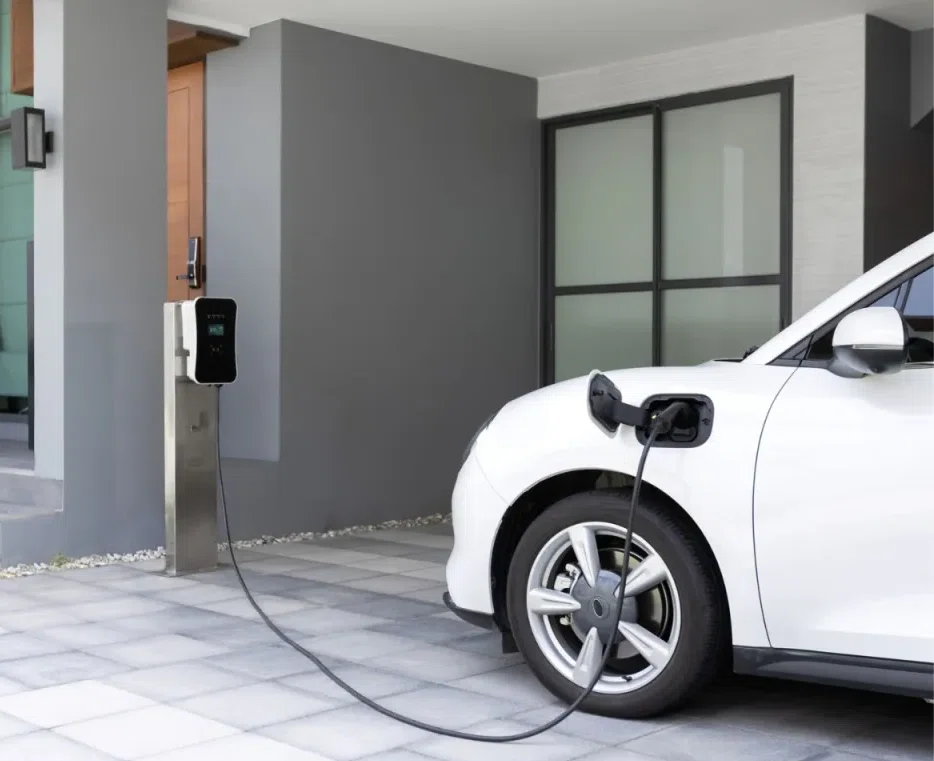
Level 1 charging is often considered the "baseline" for home charging. It uses a standard 120-volt AC outlet, making it accessible without any special infrastructure.
Although Level 1 charging is slow compared to higher-powered solutions, it is particularly practical for overnight charging or for EVs with smaller batteries. Many early EV models, such as the Nissan Leaf 2016 or Mitsubishi i-MiEV, were designed with Level 1 charging in mind, making it a reliable option for drivers without access to Level 2 infrastructure.
In North America and parts of Asia, Type 1 single-phase connectors are common for Level 1 charging. These allow for up to 7.4 kW maximum power, though home outlets typically limit actual power to 1.4–3 kW. Type 1 plugs are straightforward, easy to use, and compatible with most older EV models.
Despite the slower speed, Level 1 charging offers the advantage of universality—virtually all vehicles with Type 1 inlets can charge safely using a standard household outlet.
Level 2 AC charging represents the most widely used method for home and public charging. Operating at 240 volts AC, Level 2 chargers require dedicated installation, including proper circuit breakers, wiring, and safety-compliant enclosures.
Level 2 chargers are commonly installed in:
Proper installation ensures safety, maximizes charging speed, and minimizes potential issues with voltage drops or overheating.
In Europe and many other regions, Type 2 connectors are standard for Level 2 charging. These connectors support three-phase AC charging, enabling faster energy transfer and improved efficiency. In North America, Type 1 connectors are still prevalent, though many newer EVs and chargers support dual-input compatibility, allowing the use of Type 2 connectors with an adapter.
While connector type is the most visible aspect of compatibility, several technical factors also determine whether an AC charger works effectively with a specific EV.
Every EV has a maximum AC charging rate, expressed in kilowatts (kW). Using a charger with a higher power output than the vehicle can accept does not harm the battery—the car simply limits intake to its maximum safe level. Conversely, using a lower-power charger results in slower charging.
For instance:
A vehicle with a 7.4 kW onboard charger will charge in about 6 hours with a 7.4 kW Level 2 charger
Using a 3.7 kW charger could extend the charge time to 12 hours
Understanding the vehicle's maximum AC charging capacity helps drivers select a charger that balances speed, efficiency, and convenience.
Using the wrong connector requires an adapter or a dual-standard cable, which adds cost and can slightly reduce charging speed. Choosing the correct connector ensures seamless operation and avoids potential electrical hazards.
Modern EVs and AC chargers communicate through standardized protocols, usually IEC 61851. This exchange allows the charger and vehicle to share information, including:
Communication ensures safe, optimized charging. Older EVs or specialty models may occasionally experience communication glitches, preventing charging from starting or stopping prematurely.
Europe
Most modern EVs support Type 2 Level 2 AC charging, enabling higher charging speeds and widespread compatibility.
North America
Many chargers support adapters for Type 2 connectors, improving cross-compatibility for imported EVs
Asia
Yes, but it requires the correct adapter. European Type 2 chargers use higher voltage and often three-phase connections. Dual-input chargers or certified Type 2-to-Type 1 adapters make this possible without damaging the vehicle.
Nearly all modern EVs support Level 2 AC charging, but the maximum charge rate varies by model. Checking the vehicle's specifications ensures proper charging speed.
Yes, provided the connector matches or an adapter is used. However, charging speed may be limited to the vehicle's onboard charger capacity.
Installing a Level 2 charger at home requires attention to both safety and compatibility.
Correct installation ensures maximum charging efficiency, prevents voltage drops, and avoids safety hazards.
Proper use and maintenance of AC chargers and cables extend their lifespan and ensure safe operation.
Best Practices
Neglecting maintenance can reduce efficiency, slow charging, and increase the risk of electrical hazards.
For businesses managing multiple EVs or public charging stations, compatibility takes on added complexity.
Considerations
Operators typically install Level 2 chargers with universal connectors or multi-standard stations to accommodate a wide range of vehicles.
Adapters and universal cables are practical solutions for bridging compatibility gaps.
While adapters add flexibility, they can slightly reduce charging speed if not rated for the vehicle's maximum AC input.
Charging conditions also affect compatibility and performance.
Using weatherproof cables, protective covers, and proper storage can mitigate these risks.
As the EV market expands, AC chargers are evolving to improve compatibility and user experience.
Innovations
These advancements aim to simplify AC charging for all vehicle types, improving convenience and safety.
AC chargers, particularly Level 2, are compatible with most EVs across different brands if the correct connector, power output, and communication protocol are observed. Level 1 chargers offer slow but universal home charging, while Level 2 chargers provide faster, more efficient energy transfer for modern vehicles.
Key Takeaways:
By understanding these factors, EV owners can confidently use AC chargers across various car brands, ensuring safe, efficient, and convenient charging. As charging infrastructure continues to evolve, universal standards, smart technologies, and improved cable management will further simplify compatibility for all users.