How ISO 15118 Improves EV Charging Security, Interoperability, and Grid Stability
As the global transition toward electric mobility accelerates, the supporting charging infrastructure must evolve to match the increasing demands of both consumers and power grids. Electric vehicles (EVs) are no longer niche products; they are central to national decarbonization plans, corporate sustainability strategies, and long-term transportation policy. In this rapidly changing environment, communication between EVs and charging stations plays a crucial role in enabling secure, efficient, and intelligent charging ecosystems.
This is where ISO 15118, the international standard governing vehicle-to-grid communication, takes center stage. Designed to unify how EVs and EV supply equipment (EVSE) exchange information, ISO 15118 introduces a transformative framework that simplifies authentication, enhances cybersecurity, supports bidirectional power flow, and enables user-friendly features such as Plug & Charge. By defining a universal communication language for EV charging, the standard lays the foundation for the next evolution of electric mobility—where charging becomes smarter, safer, and seamlessly integrated into the digital and electrical grid.
This industry news article explores the significance of ISO 15118, its core components, its evolution, and the role it will play in shaping the future of global EV adoption.
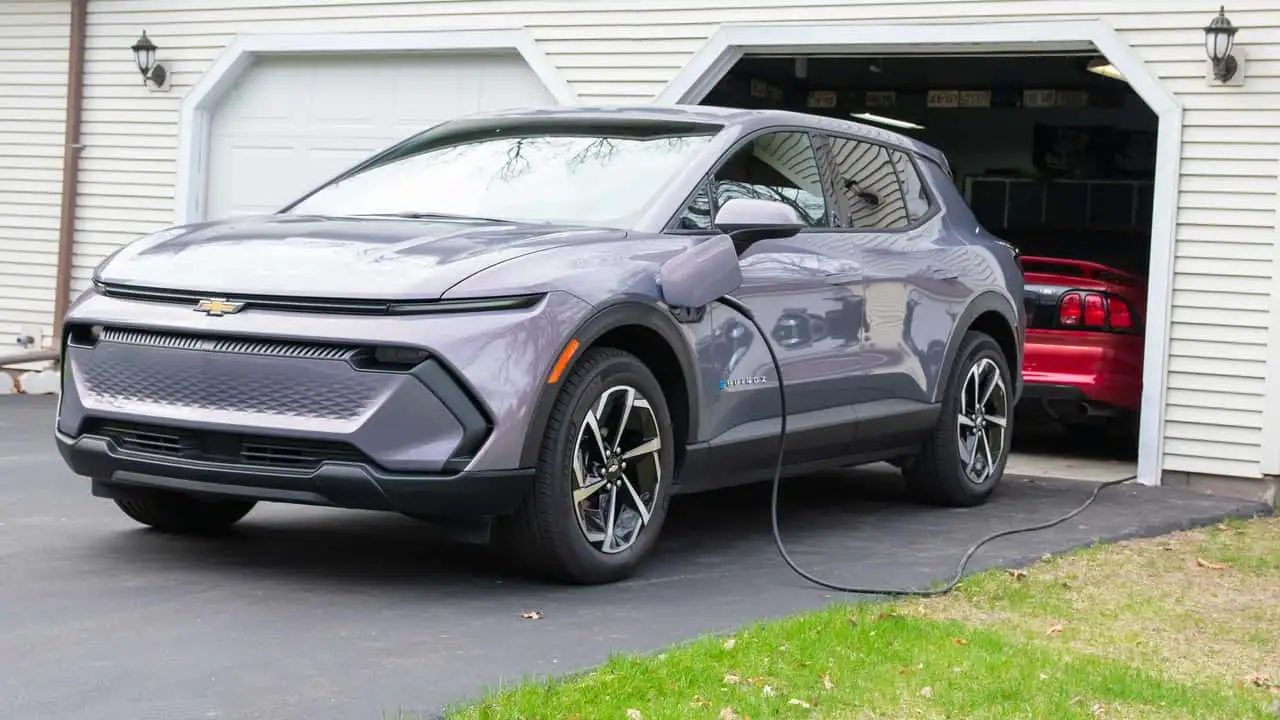
ISO 15118 is a multi-part international standard that defines how electric vehicles communicate with charging infrastructure. It focuses on ensuring that the exchange of information—whether related to billing, authentication, charging parameters, or energy management—is secure, scalable, and consistent across different brands, networks, and regions.
At its core, ISO 15118 is designed to:
- Improve user convenience
- Enable intelligent charging
- Strengthen cybersecurity
- Support vehicle-to-grid (V2G) functions
- Establish global interoperability
The standard enables EVs and chargers to establish a digital handshake, verify identities, exchange encrypted data, and execute charging operations automatically. This marks an important step beyond traditional charging approaches that rely on manual user actions such as RFID cards, mobile apps, or keypad inputs.
Understanding the architecture of ISO 15118 begins with two primary components responsible for managing charging communication:
Located within the EV, the EVCC is responsible for interpreting incoming messages from EVSE, negotiating charging parameters, verifying authentication certificates, and overseeing how electricity flows into—or out of—the battery during bidirectional charging sessions.
Embedded within the charging station, the SECC acts as the communication gateway between the vehicle and the broader EV charging network. It handles session initialization, authentication, safety validation, and energy delivery negotiations.
ISO 15118 uses a high-level communication layer built around Internet Protocol (IP) standards. This digital approach can be facilitated via:
- Power Line Communication (PLC): Commonly used with DC fast charging and AC charging under the Combined Charging System (CCS).
- Wireless communication: Enabled in newer extensions and future implementations.
The protocol ensures high-speed, encrypted data exchange and supports advanced functions like smart charging algorithms, certificate validation, and real-time grid load coordination.
ISO 15118 is not a static standard but an evolving framework designed to incorporate new technologies and use cases. The two most widely referenced versions include:
This foundational version introduced Plug & Charge, smart charging capabilities, and the initial communication architecture. It is the basis for most early implementations and pilot projects worldwide.
Representing a significant update, this version expands support for:
- Bidirectional charging / V2G
- Wireless charging interfaces
- More robust cybersecurity frameworks
- Higher communication bandwidth
- Future-proof architecture for next-generation EV technologies
ISO 15118-20 is expected to guide global rollout of V2G services, redefining EVs as mobile energy assets rather than passive loads.
Consumers want EV charging to be as simple as fueling a conventional car. ISO 15118 enables the "plug in and walk away" experience through automation.
Plug & Charge: The Breakthrough Feature
Plug & Charge allows:
- Automatic EV authentication
- Secure payment processing
- Session authorization
- Billing without apps, RFID cards, or user input
Once a driver connects their EV to a compatible charging station, the system recognizes the vehicle's digital certificate and initiates charging instantly. This level of convenience eliminates the friction that often frustrates new EV adopters.
As more EVs connect to the grid, utilities and network operators require systems that manage power flow intelligently. ISO 15118 provides the standardized communication backbone for:
- Dynamic load management
- Time-of-use pricing
- Renewable energy matching
- Grid-aware charging schedules
- Demand-response programs
Through these capabilities, charging stations can adjust charging speeds based on grid constraints, renewable supply, or user-defined pricing preferences. This ensures that EV adoption does not strain electrical infrastructure but strengthens energy flexibility.
ISO 15118-20 is the first major standard designed with vehicle-to-grid capabilities built in from the start. Bidirectional charging allows EVs to:
- Discharge power to homes (Vehicle-to-Home, V2H)
- Support commercial buildings (Vehicle-to-Building, V2B)
- Provide services back to utilities (Vehicle-to-Grid, V2G)
When aggregated in fleets, EVs can operate as virtual power plants (VPPs), reducing grid congestion and stabilizing renewable-heavy energy networks. ISO 15118 provides the universal language needed to coordinate these operations securely and reliably across manufacturers and regions.
Modern EV charging infrastructure is inherently connected—linking vehicles, chargers, cloud platforms, and grid systems. This makes cybersecurity a critical priority.
ISO 15118 integrates robust security features, including:
Certificate-Based Authentication (PKI)
Only trusted vehicles and chargers with valid digital certificates can initiate charging.
Encrypted Communication
All data exchanges are encrypted end-to-end, preventing interception or unauthorized access.
Tamper-proof authorization
Charging sessions are validated in real time, reducing risks of fraud, spoofing, or network manipulation.
These protections strengthen user trust, support commercial fleet operations, and ensure that critical charging systems remain resilient against emerging cyber threats.
EV charging networks are transforming from basic points of electricity delivery into intelligent, interconnected energy platforms. ISO 15118 provides the foundation for this evolution by enabling:
Charging networks can implement coordinated load balancing across multiple sites or regions. Instead of requiring costly electrical upgrades, they can optimize existing capacity through:
- Peak shaving
- Dynamic balancing
- Smart queueing
- Grid-interactive control
This improves infrastructure utilization and reduces operational costs.
ISO 15118 supports a suite of grid services that can generate new revenue streams for operators:
- Demand response
- Peak load reduction
- Frequency regulation
- Renewable integration support
- VPP aggregation
By transforming EV chargers into active grid assets, network operators can contribute to a more flexible and resilient energy system.
Manual authentication systems—such as mobile app verification or RFID cards—add friction and increase operational overhead.
ISO 15118 automates:
- User authentication
- Payment authorization
- Charging session initiation
- Data logging
- Billing
This improves uptime, reduces network errors, and makes the charging experience more predictable.
Interoperability is vital for global EV adoption. ISO 15118 standardizes communication across different:
- Charger brands
- Vehicle models
- Charging network platforms
A consistent user experience boosts driver confidence and helps operators build networks that are future-proof and universally accessible.
The transformation of the global transportation sector depends on charging systems that are smart, connected, and integrated. ISO 15118 aligns with long-term industry trends, including:
As more automakers integrate ISO 15118 certificates into new EV models, Plug & Charge will become a standard feature across DC fast charging networks. This parallels the ease of use found in contactless mobile payments—automated, secure, and universally accepted.
V2H, V2B, and V2G technologies are gaining major traction, especially with energy-resilient communities and commercial fleets. ISO 15118-20 provides the communication infrastructure needed to scale these solutions globally.
EV charging is increasingly tied to solar, wind, and energy storage systems. ISO 15118 enables:
- Automated charging tied to renewable availability
- Carbon-optimized charging schedules
- Smart grid synchronization
This helps governments and corporations achieve sustainability goals.
Although early in deployment, wireless EV charging can benefit significantly from ISO 15118-20's communication enhancements. Standardizing these processes encourages more consistent implementation and commercial feasibility.
Fleet operators require reliable, automated, and secure charging systems. ISO 15118 supports:
- Centralized energy management
- Automated authentication
- Predictable charging patterns
- Telematics integration
This allows fleets to scale electric operations without manual processes slowing them down.
While ISO 15118 offers major benefits, its global rollout requires collaboration and time.
Challenges include:
- Hardware compatibility: Not all legacy EVs and chargers support ISO 15118 features.
- Certificate management: Public Key Infrastructure (PKI) must be widely deployed.
- Cost of upgrades: Older charging stations may require firmware or hardware enhancements.
- Market fragmentation: Adoption varies by region and manufacturer.
- V2G business models still emerging: Revenue systems for grid services must mature.
Despite these challenges, industry support is strong, with major automakers, charger manufacturers, and network operators adopting the standard.
The role of ISO 15118 is clear: it is positioning EV charging as an intelligent, automated, and fully integrated component of the modern energy landscape. As the world pushes toward electrification at unprecedented speed, a unified communication standard is essential to achieving scale, reliability, and long-term sustainability.
ISO 15118's impact will grow as:
- Automakers equip new EV models with native Plug & Charge support.
- DC fast charging networks standardize around certificate-based authentication.
- Utilities expand demand-response and VPP programs.
- Bidirectional charging becomes mainstream.
- Governments mandate interoperable, secure charging infrastructure.
In many ways, ISO 15118 is not simply a communication protocol—it is the digital infrastructure enabling the next era of EV technology.
ISO 15118 represents a major step forward in the global adoption of electric vehicles. By enabling seamless Plug & Charge capabilities, strengthening cybersecurity, supporting bidirectional charging, and enabling smart energy management, the standard lays the foundation for scalable, user-friendly, and future-proof EV charging systems.
As electric mobility continues to reshape transportation and energy markets, ISO 15118 ensures that the backbone of this transition—EV charging—remains efficient, secure, and interoperable. For automakers, network operators, utilities, and consumers alike, it is the gateway to a smarter and more connected electric future.