NEMA Plug Types for EV Charging: A Comprehensive Guide
As electric vehicles (EVs) continue to gain popularity across North America and beyond, home and workplace charging infrastructure has become an essential part of daily life for EV owners. While much attention is given to charging speeds, connector standards, and smart charging features, one fundamental element often overlooked is the electrical plug itself. In many residential and light commercial settings, EV charging relies on NEMA plugs, which define how power is delivered safely from the electrical grid to the charging equipment.
Understanding NEMA plug types is critical for anyone considering EV ownership, installing a home charger, or upgrading an existing electrical system. Different NEMA plugs offer varying voltage levels, amperage ratings, grounding methods, and safety features—all of which directly impact charging speed, installation complexity, and long-term reliability. This article provides an in-depth overview of NEMA plugs, their origins, physical characteristics, common types, and how they apply specifically to EV charging. By the end, readers will have a clear understanding of which NEMA plug best suits their charging needs and what factors to consider before installation.
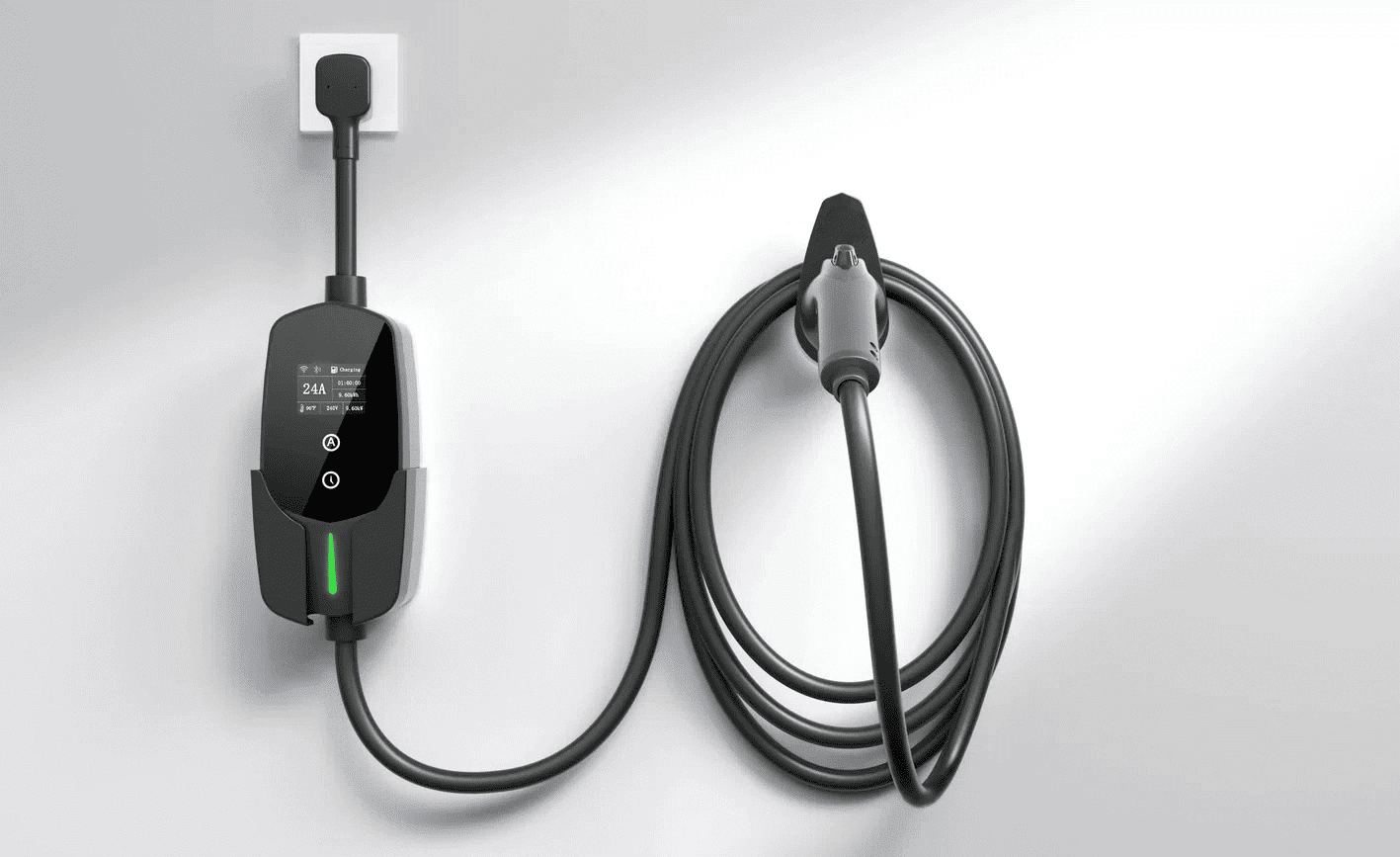
NEMA plugs are standardized electrical connectors used primarily for alternating current (AC) power connections. They are most commonly found in the United States, Canada, and parts of other regions that follow North American electrical standards. Each NEMA designation specifies a particular plug and receptacle configuration, defining key characteristics such as voltage rating, current capacity, number of conductors, and grounding method.
In the context of EV charging, NEMA plugs serve as the interface between a building’s electrical system and an EV charger—often referred to as Electric Vehicle Supply Equipment (EVSE). Portable chargers and some wall-mounted units are designed to plug directly into NEMA outlets, making these standards especially relevant for residential charging solutions.
The term “NEMA” stands for the National Electrical Manufacturers Association, a U.S.-based trade organization founded in 1926. NEMA develops technical standards for a wide range of electrical products, including plugs, enclosures, motors, and connectors. The goal of these standards is to ensure safety, compatibility, and reliability across electrical equipment manufactured and used in different regions.
By standardizing plug and receptacle designs, NEMA has made it possible for electrical devices to be used safely across various applications without confusion or risk of mismatched connections. For EV charging, this standardization ensures that chargers, outlets, and electrical panels work together in a predictable and safe manner.
NEMA plugs consist of two primary components:
This is the part attached to the power cord of an appliance or EV charger. It contains metal blades or pins that conduct electricity.
This is mounted in a wall, floor box, or electrical panel and is connected directly to the building’s electrical wiring.
The shape, size, and orientation of the blades or pins vary depending on the NEMA type. These physical differences prevent incompatible connections—for example, a high-voltage plug cannot be inserted into a low-voltage outlet. Many NEMA plugs also include a grounding pin, which enhances safety by providing a path for fault current and reducing the risk of electric shock.
NEMA defines a wide range of plug configurations, each designed for specific voltage and current requirements. While dozens of types exist, only a handful are commonly used in residential and EV charging applications.
The NEMA 1-15 is one of the simplest and oldest plug types. It features two flat, parallel blades and does not include a grounding pin. Rated for 125 volts and 15 amps, it is typically found on older appliances, small household devices, and low-power electronics.
Relevance to EV Charging:
For EVs, the NEMA 1-15 offers the slowest charging option. Many EVs come with a basic portable charger that can plug into a standard 1-15 outlet, often referred to as “Level 1 charging.” While convenient, this method usually adds only a few miles of range per hour, making it best suited for overnight charging or plug-in hybrid vehicles with smaller batteries.
The NEMA 5-15 is the modern standard household plug found in most North American homes. It looks similar to the 1-15 but includes a round grounding pin in addition to the two flat blades. It is rated for 125 volts and 15 amps, offering improved safety through grounding.
Relevance to EV Charging:
Like the 1-15, the 5-15 supports Level 1 EV charging. While still slow compared to higher-voltage options, it is widely accessible and requires no special installation. For drivers with short daily commutes or those who charge overnight consistently, a NEMA 5-15 outlet can be a practical entry-level solution.
The NEMA 6-20 plug is designed for higher voltage applications. It features two horizontal blades and a grounding pin, arranged in a distinct pattern to prevent misuse. This plug is rated for 250 volts and 20 amps.
Relevance to EV Charging:
The NEMA 6-20 is often considered a “middle ground” for EV charging. It supports Level 2 charging at moderate power levels, offering significantly faster charging than 120V outlets without the need for very heavy wiring. Many portable Level 2 chargers are compatible with this plug, making it an attractive option for homeowners seeking faster charging with relatively straightforward installation.
The NEMA 10-30 is a three-prong plug historically used for electric dryers. It includes two hot conductors and one neutral but lacks a dedicated grounding conductor. It is rated for 240 volts and 30 amps.
Relevance to EV Charging:
Although still found in older homes, the NEMA 10-30 is no longer permitted in new installations under modern electrical codes due to grounding concerns. Some EV owners with existing 10-30 outlets use adapters for charging, but this approach requires caution and is best evaluated by a licensed electrician.
The NEMA 14-50 is one of the most popular plugs for EV charging. It features four prongs: two hot conductors, one neutral, and one ground. Rated for 240–250 volts and 50 amps, it is capable of delivering high power safely and reliably.
Relevance to EV Charging:
The NEMA 14-50 is widely used for Level 2 home charging and is often recommended by EV manufacturers. It provides fast charging speeds suitable for long-range EVs and is commonly installed in garages or outdoor charging locations. While installation typically requires a dedicated circuit and professional work, the performance benefits make it a preferred choice for many EV owners.
Installing or using NEMA plugs for EV charging involves more than simply selecting a plug type. Safety, code compliance, and electrical capacity must all be carefully evaluated.
High-voltage outlets such as NEMA 6-20 or 14-50 usually require permits and installation by a licensed electrician. This ensures compliance with local electrical codes and reduces the risk of fire or equipment damage.
Before installing a new outlet, it is essential to confirm that the electrical panel can handle the additional load. EV charging represents a continuous power draw, and circuits must be sized appropriately to avoid overheating.
If the outlet or charger is installed outdoors, weather-resistant enclosures and covers are required. Proper protection from moisture and dust helps ensure long-term safety and reliability.
Selecting the appropriate NEMA plug depends on several factors, including vehicle type, driving habits, and existing electrical infrastructure.
Drivers who travel long distances daily or rely heavily on home charging will benefit from higher-power options like the NEMA 14-50. Occasional drivers or plug-in hybrid owners may find a standard 5-15 outlet sufficient.
Not all EV chargers support every NEMA plug type. It is important to match the plug, charger, and vehicle connector to ensure seamless operation.
Assessing voltage, amperage, and available breaker space is critical. In some cases, upgrading the electrical panel may be necessary to support faster charging options.
NEMA plugs play a foundational role in EV charging, especially in residential and light commercial environments. From basic 120V household outlets to high-capacity 240V connections, each NEMA plug type offers distinct advantages and limitations. Understanding these differences empowers EV owners to make informed decisions about charging speed, installation costs, and long-term convenience.
As EV adoption continues to rise, familiarity with NEMA standards will remain an important aspect of safe and efficient charging. Whether starting with a simple Level 1 setup or investing in a high-powered Level 2 solution, choosing the right NEMA plug ensures that EV charging is not only faster but also safer and more reliable for years to come.