Solar EV Charging Station: Powering the Future of Sustainable Mobility
As electric vehicles (EVs) continue to gain momentum worldwide, the demand for clean, reliable, and scalable charging infrastructure has never been greater. Governments, businesses, and consumers are all searching for solutions that not only support the rapid growth of EV adoption but also align with global sustainability goals. Among the most promising innovations is the solar EV charging station—a technology that combines renewable solar energy with electric vehicle charging to create a truly green mobility ecosystem.
Solar-powered EV charging stations represent a major step forward in reducing carbon emissions, easing pressure on traditional power grids, and increasing energy independence. By harnessing sunlight to generate electricity, these stations offer a clean alternative to grid-dependent charging, especially in regions with abundant solar resources. From urban centers and commercial parking lots to remote highways and off-grid locations, solar EV charging is reshaping how and where vehicles are powered.
This article explores what solar EV charging stations are, how they work, their key benefits, practical use cases, and the challenges that must be considered when planning and deploying this innovative infrastructure.
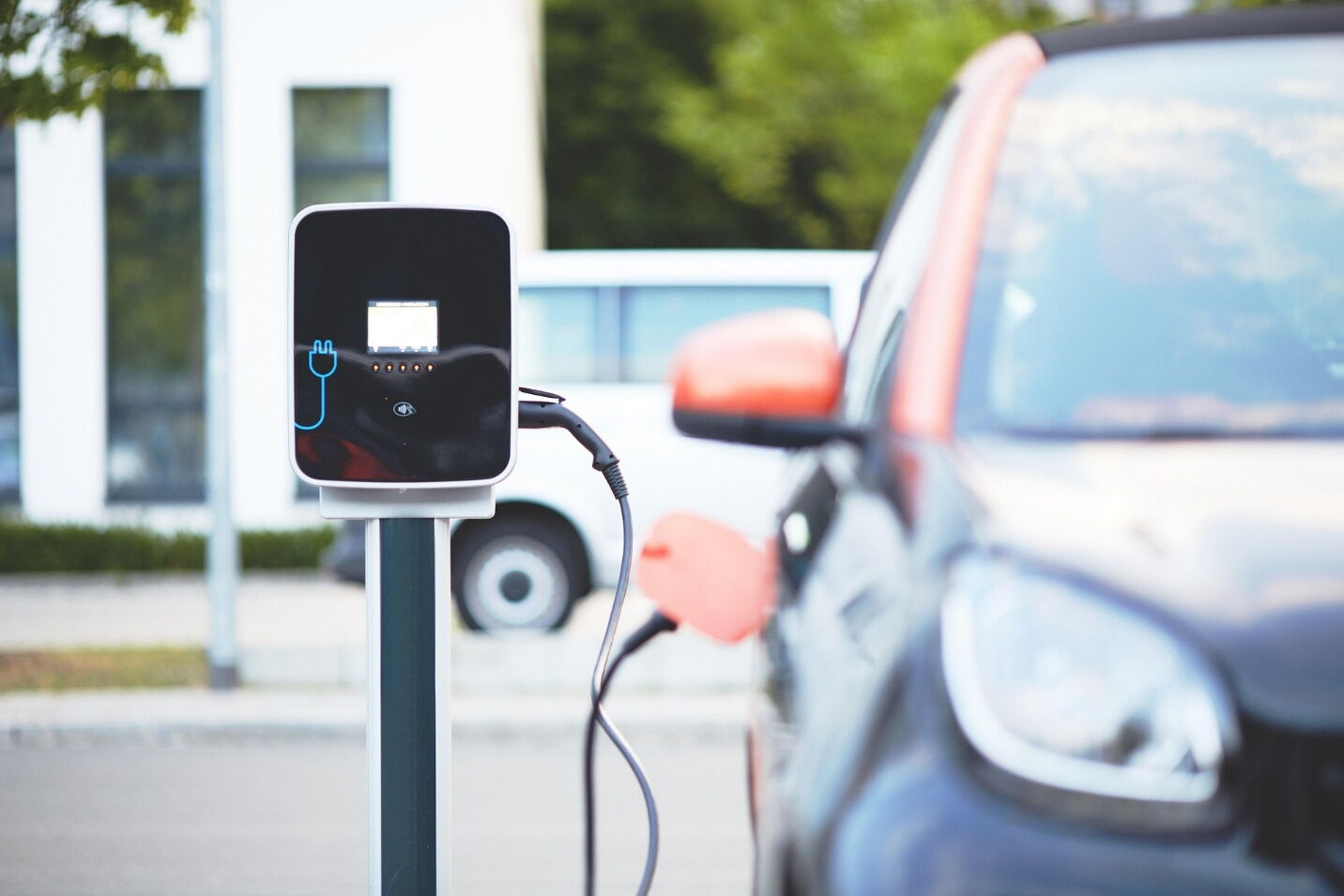
A solar-powered EV charging station is an electric vehicle charging system that uses solar energy as its primary power source. Instead of relying solely on electricity from the grid—often generated using fossil fuels—these stations generate power through photovoltaic (PV) solar panels installed on rooftops, carports, or nearby ground-mounted structures.
The electricity produced by the solar panels is either used immediately to charge EVs, stored in on-site battery systems for later use, or fed into the local grid. Depending on the design, a solar EV charging station can operate as a grid-tied, off-grid, or hybrid system, combining solar power with grid electricity to ensure continuous availability.
Solar EV charging stations can support various charging levels, including:
Level 1 and Level 2 AC charging, commonly used for workplaces, residential complexes, and public parking areas
DC fast charging, suitable for highways, fleet depots, and high-traffic commercial locations
By integrating renewable energy generation with charging infrastructure, solar EV charging stations offer a sustainable, future-ready solution for electric mobility.
Solar EV charging stations rely on a combination of proven technologies working together to convert sunlight into usable electricity for electric vehicles. Below is a step-by-step breakdown of how these systems operate.
Solar panels are the core component of the system. Made from photovoltaic cells, they capture sunlight and convert it into direct current (DC) electricity. The amount of energy produced depends on factors such as panel efficiency, sunlight availability, orientation, tilt angle, and shading conditions.
Panels can be installed on:
Building rooftops
Solar carports above parking spaces
Ground-mounted arrays near charging locations
Most EV chargers require alternating current (AC) electricity or controlled DC power. Inverters convert the DC electricity generated by solar panels into AC electricity suitable for charging stations or grid integration. Advanced inverters also manage power quality, safety, and system monitoring.
Many solar EV charging stations incorporate battery energy storage systems (BESS). These batteries store excess solar energy generated during peak sunlight hours and release it when demand is high, during cloudy weather, or at night. Battery storage enhances reliability, reduces grid dependency, and enables off-grid operation in remote locations.
The EV chargers deliver electricity to vehicles via standard charging connectors. Depending on the application, stations may offer:
Standard AC chargers for long-duration parking
High-power DC fast chargers for quick turnaround
Smart charging software can also optimize energy usage by prioritizing solar power, balancing loads, and controlling charging speeds based on availability.
In grid-tied or hybrid systems, excess solar energy can be exported to the grid, while grid power can supplement charging during low solar production. Intelligent energy management systems ensure optimal performance, cost efficiency, and compliance with local regulations.
One of the most significant advantages of solar EV charging stations is their contribution to environmental sustainability. By using renewable solar energy, these systems dramatically reduce greenhouse gas emissions compared to grid-powered charging stations that rely on coal or natural gas.
Solar charging supports:
Lower carbon footprints for EV owners
Improved air quality in urban environments
Alignment with climate action targets and renewable energy policies
When EVs are charged using solar energy, the entire transportation lifecycle becomes cleaner and more sustainable.
Solar-powered EV charging stations generate electricity on-site, reducing reliance on centralized power grids. This energy independence is especially valuable as EV adoption increases and places additional strain on existing infrastructure.
For cities and businesses, solar charging helps:
Mitigate peak demand and grid congestion
Increase resilience during power outages
Support decentralized energy systems
In off-grid or weak-grid areas, solar EV charging may be the only practical solution for enabling electric mobility.
Although the upfront cost of installing solar panels and battery systems can be higher than traditional chargers, the long-term financial benefits are substantial. Once installed, solar energy is essentially free, and operational costs remain low over the system’s lifespan.
Key financial advantages include:
Reduced electricity bills
Protection against rising energy prices
Potential revenue from selling excess power back to the grid
Eligibility for government incentives, tax credits, or subsidies
Over time, solar EV charging stations can deliver an attractive return on investment (ROI) for businesses and municipalities.
Solar EV charging stations are highly flexible and can be scaled to match specific needs. From a single charger powered by a small solar array to large multi-bay charging hubs with integrated storage, the system design can be tailored to different environments.
They are suitable for:
Urban parking garages
Corporate campuses
Shopping centers and retail parks
Residential complexes
Highways and transit corridors
This versatility makes solar EV charging a practical solution for cities of all sizes.
In remote areas such as national parks, rural resorts, mining sites, or agricultural regions, access to reliable grid electricity may be limited or nonexistent. Solar EV charging stations provide a clean and independent power source, enabling EV access without costly grid extensions.
These installations support eco-tourism while preserving natural environments.
Businesses can enhance their sustainability profile by installing solar-powered EV charging stations. Commercial properties benefit by:
Attracting environmentally conscious customers and employees
Increasing property value
Generating additional revenue through paid charging services
Reducing operational energy costs
Solar EV charging also strengthens corporate social responsibility (CSR) initiatives and brand image.
Highway charging stations are critical for long-distance EV travel. Solar-powered installations at rest stops reduce dependence on grid electricity and support EV tourism. When paired with battery storage, they can deliver reliable fast charging even in areas with limited grid capacity.
Municipal fleets, delivery vehicles, and public transportation operators can significantly reduce fuel and energy costs by charging vehicles using solar power. Fleet depots with predictable charging schedules are especially well-suited for solar integration.
While solar EV charging offers numerous benefits, careful planning is required to address potential challenges.
Solar energy production depends on weather conditions and daylight hours. Regions with abundant sunlight enjoy higher energy yields, while northern or cloudy regions may require:
Larger solar arrays
Increased battery storage
Hybrid systems combining solar and grid power
Seasonal variation must also be considered, as winter months often result in lower solar output.
Adequate space is essential for solar panel installation. Rooftop systems work well for warehouses and shopping centers, while solar carports are ideal for parking lots. Factors such as shading, orientation, tilt angle, and local architecture directly affect system performance.
Thoughtful site design ensures maximum energy generation and long-term efficiency.
In many regions, regulatory approval can take longer than the physical installation itself. Permits, grid interconnection agreements, and compliance with building codes can delay projects by months or even years.
Early coordination with local authorities and utilities is crucial to streamline the process and avoid costly setbacks.
Solar EV charging stations represent a powerful convergence of renewable energy and electric mobility. By leveraging solar power, these systems offer a cleaner, more resilient, and cost-effective way to support the growing EV ecosystem. From reducing carbon emissions and energy costs to enabling charging in remote locations, solar-powered charging stations are a vital component of sustainable transportation infrastructure.
As technology advances and solar costs continue to decline, solar EV charging is expected to play an increasingly important role in global electrification efforts. For governments, businesses, and communities seeking long-term solutions, investing in solar EV charging stations is not just an environmental choice—it is a strategic one that supports the future of clean mobility.