
As electric vehicles (EVs) rapidly transition from a niche product to a mainstream mode of transportation, industries across the world are racing to adapt. One of the most transformative shifts in this evolving landscape is the rise of commercial EV charging infrastructure. Today, businesses—from retail centers and hotels to office buildings and industrial parks—are increasingly recognizing the strategic importance of installing EV charging stations on their properties.
Commercial EV charging stations offer far more than basic utility. They increase property value, open new revenue streams, strengthen brand identity, and demonstrate a company's commitment to sustainability and environmental stewardship. For customers, employees, tenants, and visitors, having access to reliable EV charging is becoming not just an added convenience but an expectation. As the demand for EVs grows, so does the need for accessible and dependable charging networks that support long-term electrification goals on a global scale.
Offering EV charging on-site provides clear competitive advantages. Retail shoppers can top up their vehicles while dining or shopping, moviegoers can arrive with confidence knowing they can charge during a film, and employees can turn commuting time into efficient charging time. Businesses gain the opportunity to attract more foot traffic, extend dwell time, and generate charging revenue—simply by leveraging existing parking spaces.
This industry news article takes a deep dive into what commercial EV charging stations are, how they work, the various types of charging technologies, and why businesses around the world are increasingly adopting them. It also explores financial incentives, customer behavior trends, installation considerations, and the broader impact of commercial charging on ESG (Environmental, Social and Governance) performance.
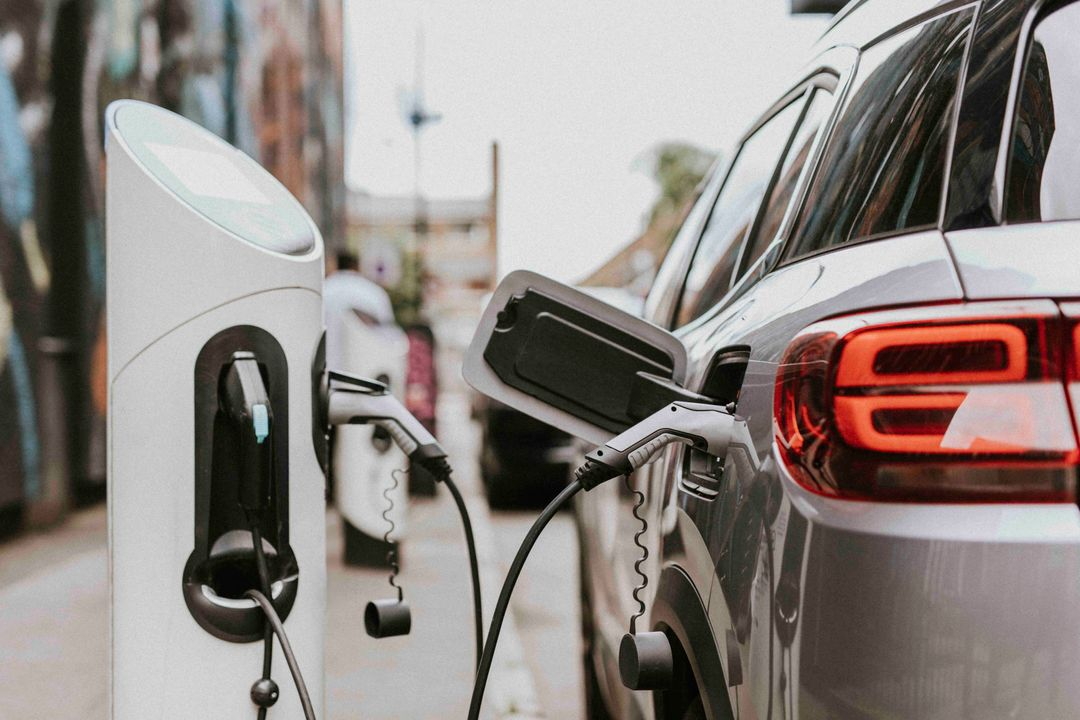
A commercial EV charging station—also known as electric vehicle supply equipment (EVSE)—is a charging system installed at a business or public facility that allows customers, tenants, employees, or visitors to recharge their electric vehicles.
Unlike residential chargers, commercial EV charging stations are specifically designed for:
These systems can be installed at various locations, including:
With built-in communications capabilities, commercial charging stations often feature remote monitoring, power management, user authentication, and payment integration. They can be networked to optimize charging loads, manage peak power demand, and deliver valuable data analytics.
Electric mobility is no longer optional for companies looking to remain competitive in the evolving transportation ecosystem. Here are some reasons businesses are investing in EV charging infrastructure:
Global sales of EVs have surged over the last decade. Governments are implementing stricter emissions standards, automakers are rapidly electrifying their fleets, and consumers are becoming increasingly environmentally conscious. With millions more EVs expected on the road in the next few years, the need for accessible charging is becoming urgent.
EV drivers often choose destinations based on the availability of charging stations. By offering EV charging:
An EV charging station can be a strong differentiator between two competing businesses.
Businesses can generate income from:
Some companies choose free charging to increase foot traffic, while others set a specific price per kWh, per hour, or per session.
Properties equipped with EV charging infrastructure typically attract:
Commercial real estate experts now consider EV charging capabilities a premium amenity that increases market value.
EV chargers contribute to:
Many corporations include EV charging installation as part of broader ESG and sustainability commitments.
Commercial EV chargers are categorized into three levels, based on their power output, charging speed, and electrical requirements.
Level 1 chargers operate using a standard 120V household outlet, providing 2 to 5 miles of range per hour. They are the slowest form of charging and typically require 40–50 hours to fully charge most EVs.
While Level 1 chargers are inexpensive and convenient for home use, they do not meet commercial performance standards and are rarely installed in commercial settings.
Level 2 chargers require a 240V dedicated circuit and professional installation. They provide a significant improvement in charging power, delivering 20 to 40 miles of range per hour and fully charging most EVs in 4 to 10 hours.
Level 2 EV charging stations are the most common choice for:
Level 2 chargers strike the perfect balance between installation cost and charging speed. They can support several vehicles throughout the day without the heavy infrastructure requirements of DC fast chargers.
For most commercial properties, Level 2 chargers offer the best return on investment.
DC fast chargers—also called Level 3 chargers—are the most advanced and powerful charging systems available today. Unlike Level 1 and Level 2 chargers, which supply AC power, DC fast chargers deliver direct current directly to the EV battery.
These systems can charge an EV from 20% to 80% in 15 to 30 minutes, depending on vehicle capabilities.
DC fast chargers require:
Because of their complexity and cost, DC fast chargers are best suited for:
Businesses that install DC fast chargers can position themselves as major charging hubs in their region.
Several industry trends contribute to the rapid growth of commercial EV charging networks:
Many countries offer tax credits, rebates, and grants for installing EV charging stations. These incentives lower installation costs and encourage businesses to invest in electrification infrastructure.
Businesses are adopting aggressive emission-reduction targets. Installing EV charging supports green mobility and reduces fleet emissions.
Logistics companies, ride-hailing services, government fleets, and corporate fleets are transitioning to EVs. These fleets need reliable, fast, and large-scale charging options at commercial facilities.
More consumers than ever before understand the environmental benefits of EVs and seek out establishments supporting eco-friendly practices.
Commercial EV charging enhances customer experience by:
Depending on business goals and customer behaviors, commercial EV charging revenue can be generated in several ways:
Businesses can charge:
Frequent users can subscribe to:
Businesses can collaborate with:
These partnerships often reduce installation costs and share revenue with property owners.
Charging stations increase:
This indirect revenue can sometimes exceed the direct income from charging.
Proper planning requires:
Level 2 suits most commercial properties, while DC fast chargers support high-traffic or time-sensitive environments.
Networked chargers offer:
Non-networked chargers are simpler but less flexible.
Energy management tools help:
Businesses should plan for:
Commercial EV charging stations are becoming a critical component of modern business infrastructure. With the rapid rise of EV adoption, companies have much to gain by installing charging systems on their properties—from increased customer satisfaction and brand value to new revenue opportunities and enhanced ESG performance.
Whether choosing Level 1, Level 2, or DC fast chargers, the key is selecting a solution that aligns with customer behavior, property capabilities, and long-term business goals. As the EV market continues to evolve, commercial charging will play a vital role in shaping the future of mobility, sustainability, and business innovation.
