As the global shift toward electrified transportation accelerates, electric vehicle (EV) charging technology is undergoing a profound transformation. The industry is moving far beyond simple AC chargers and basic communication protocols; instead, it is embracing a new era of intelligent, secure, and highly automated charging systems. At the heart of this evolution is ISO 15118, the international communication standard that enables seamless interaction between EVs and charging stations.
With the rise of smart grids, bidirectional power flows, and rapidly expanding public charging networks, ISO 15118 has become a cornerstone in modern EV infrastructure. The standard introduces advanced features such as Plug & Charge, Vehicle-to-Grid (V2G) communication, enhanced cybersecurity, and improved interoperability between vehicles and charge points. These capabilities promise not only a smoother charging experience for drivers but also a more resilient and efficient energy ecosystem for utilities, operators, and governments.
In an industry where convenience, safety, and automation drive adoption, understanding ISO 15118 is crucial for OEMs, charge point manufacturers, CPOs, e-Mobility Service Providers (eMSPs), policy makers, and energy stakeholders. This news feature explores the purpose, components, benefits, challenges, and future developments surrounding ISO 15118—and why it is becoming one of the most influential standards in global EV charging.
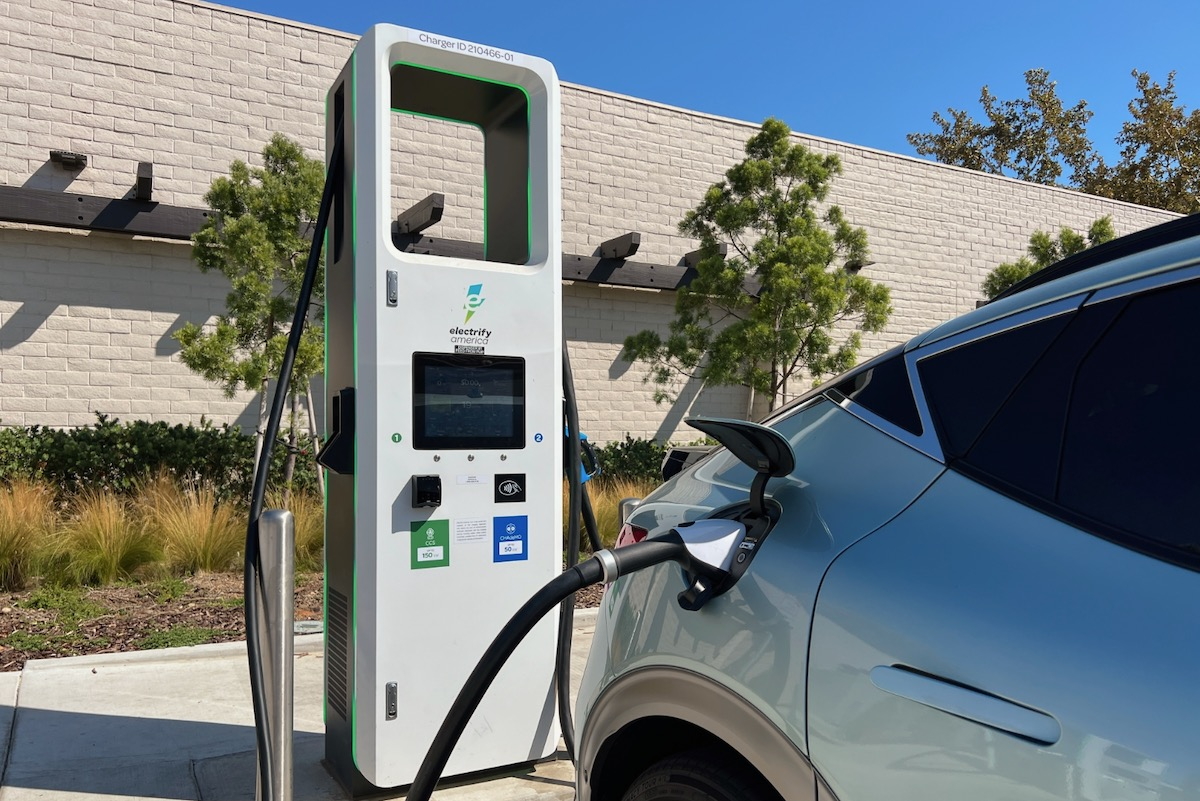
ISO 15118 is a multi-part international standard that defines the digital communication interface between electric vehicles and electric vehicle supply equipment (EVSE). In essence, it is the "language" enabling EVs and charging stations to communicate specific charging parameters, safety information, authentication details, billing data, and energy flow commands.
This standard applies to both AC and DC charging systems and supports a broad range of functions, including:
ISO 15118 is divided into several parts, addressing topics from physical communication layers to message formats and cybersecurity mechanisms. Together, these elements create a harmonized framework that ensures chargers and EVs can exchange information quickly and securely—regardless of brand, country, or manufacturer.
Consumers increasingly expect EV charging to function as effortlessly as using a smartphone—simple, automatic, and reliable. ISO 15118 enables a truly “hands-off” experience through features like Plug & Charge, where the vehicle authenticates itself automatically at the charging station without requiring RFID cards, apps, or manual payments. This is seen as a major step forward in user convenience.
As utilities race to stabilize their networks, smart charging has become essential. ISO 15118 supports advanced energy management, allowing chargers to respond dynamically to grid signals, time-of-use pricing, and demand-response events. This ensures:
Vehicle-to-Home (V2H), Vehicle-to-Grid (V2G), and Vehicle-to-Building (V2B) applications are gaining momentum globally. ISO 15118 provides the communication foundation that makes these technologies possible. As EVs become mobile batteries capable of storing and releasing power, robust communication will be vital for coordinating flow direction, safety, and billing.
Plug & Charge is one of the most transformative features of ISO 15118. It allows EVs to authenticate and initiate charging automatically once connected to the charging station. Billing is completed seamlessly via certificates stored in the vehicle.
Benefits include:
Many automakers and charging networks in Europe and North America have already adopted Plug & Charge, and the number is rapidly growing.
ISO 15118 enables dynamic communication of charging parameters, such as:
This real-time exchange allows utilities and charging operators to manage electricity demand more effectively, helping prevent overloads during peak periods. Smart charging also helps users save money by charging when utility rates are low.
One of the most promising innovations enabled by ISO 15118 is bidirectional energy flow. This means EVs can both draw energy from the grid and send energy back, functioning as distributed energy storage.
This has vast implications:
For consumers:
For utilities:
Peak shaving
For businesses and fleets:
The communication framework provided by ISO 15118 ensures that all these transactions take place securely and consistently.
As EV charging becomes more connected, cybersecurity becomes critical. ISO 15118 incorporates encrypted data channels, digital certificates, authentication protocols, and secure key exchanges.
The cybersecurity system ensures:
However, the standard also brings attention to ongoing vulnerabilities—particularly the exposure of charging stations as potential entry points for attackers. More on this later.
The EV industry has long struggled with interoperability challenges. Different networks, regional standards, and manufacturers often result in inconsistent charging performance.
ISO 15118 dramatically improves interoperability by:
As more countries mandate ISO 15118 support in public chargers, global interoperability will continue to rise.
Cybersecurity is both a highlighted strength and ongoing challenge for ISO 15118. The standard offers significant improvements but cannot entirely eliminate risks at the charging station level.
1. Encrypts communication channels
ISO 15118 requires Transport Layer Security (TLS), ensuring encrypted data transmission between vehicles and chargers.
2. Introduces certificate-based authentication
EVs and charging networks authenticate using digital certificates issued by recognized certificate authorities (CAs). This reduces fraud and unauthorized access.
3. Moves sensitive actions to trusted entities
Some operations, such as contract handling, are shifted to e-Mobility Service Providers (eMSPs), which typically have more robust security and compliance systems.
Despite its strengths, ISO 15118 still leaves some vulnerabilities untreated:
1. Charging stations remain exposed
Public EVSE are physically accessible and often connected to the internet, making them prime targets for cyberattacks. Compromised charging stations could:
2. Hardware-level vulnerabilities persist
Even with secure protocols, weak hardware security in chargers can undermine protection mechanisms.
3. Slow adoption of certificate infrastructure
Plug & Charge requires a global system for issuing and managing digital certificates, which is still fragmented.
4. Operators must invest in end-to-end security
The standard alone isn't enough. Manufacturers, CPOs, utilities, and eMSPs must collaborate to create a fully secure ecosystem.
Understanding the versions of the standard is critical.
ISO 15118-20 is expected to define the future of EV charging, especially as V2G becomes mainstream.
ISO 15118 adoption is rapidly accelerating, driven by automakers, utilities, and government regulations.
Brands implementing ISO 15118 Plug & Charge include:
As more EVs ship with ISO 15118-ready hardware, widespread Plug & Charge support becomes inevitable.
Major charging network operators are integrating ISO 15118 support:
These networks see Plug & Charge as a key differentiator in user convenience.
Countries in Europe and North America are preparing policies that encourage or require ISO 15118 compatibility in:
ISO 15118 is increasingly viewed as a prerequisite for future-proof charging deployments.
Utilities are recognizing the importance of smart charging for grid stability. ISO 15118's load-management capabilities are helping utilities manage:
As EV penetration grows, this communication standard becomes indispensable.
Many existing chargers lack ISO 15118-ready hardware, requiring:
Plug & Charge and V2G require high-level coordination between vehicle manufacturers and charging networks, leading to slow and inconsistent rollout.
A global digital certificate ecosystem requires cooperation between:
No standard can fully protect against evolving threats. Ongoing cybersecurity investments remain essential.
The next decade will see ISO 15118 become central to EV charging infrastructure. Key developments expected include:
1. Widespread deployment of ISO 15118-20
V2G services will expand significantly, especially in regions with high renewable penetration.
2. Mass adoption of Plug & Charge
Consumers will increasingly demand automated charging experiences.
3. Growth of smart-home energy ecosystems
ISO 15118 will be integrated with home energy management systems (HEMS).
4. Expansion into commercial fleets
Fleet operators will rely heavily on smart charging and automated authentication.
5. Global harmonization of certificate systems
A unified, secure certificate ecosystem will help achieve seamless global interoperability.
ISO 15118 is reshaping the EV charging landscape, enabling smarter, more secure, and more user-friendly interactions between electric vehicles and charging stations. From Plug & Charge to advanced cybersecurity and full bidirectional energy exchange, the standard represents a major leap forward in modernizing global EV infrastructure.
While challenges remain—particularly around cybersecurity implementation, cost barriers, and coordinated adoption—the benefits of ISO 15118 are undeniable. It promises enhanced convenience for drivers, improved efficiency for utilities, and stronger interoperability across the entire EV ecosystem.
As electrification continues its rapid ascent, ISO 15118 will serve as a foundational pillar supporting the next generation of connected, intelligent, and sustainable transportation systems.