
Apartment EV Charging Stations: A Smart Upgrade for Future-Ready Properties
As electric vehicles (EVs) move rapidly from niche to mainstream, the places where people live are becoming just as important as the vehicles they drive. While single-family homeowners often have the convenience of installing chargers in private garages, apartment dwellers face a different reality. With millions of residents living in multi-family buildings worldwide, access to reliable EV charging at home has become a defining issue for the next phase of clean transportation.
Apartment EV charging stations are no longer a luxury amenity. They are a strategic investment for property owners, a key differentiator in competitive rental markets, and a necessary piece of infrastructure for cities seeking to meet sustainability goals. This article explores why apartment EV charging matters, how it works, the technologies involved, the challenges of deployment, and what the future holds for electrified multi-family living.
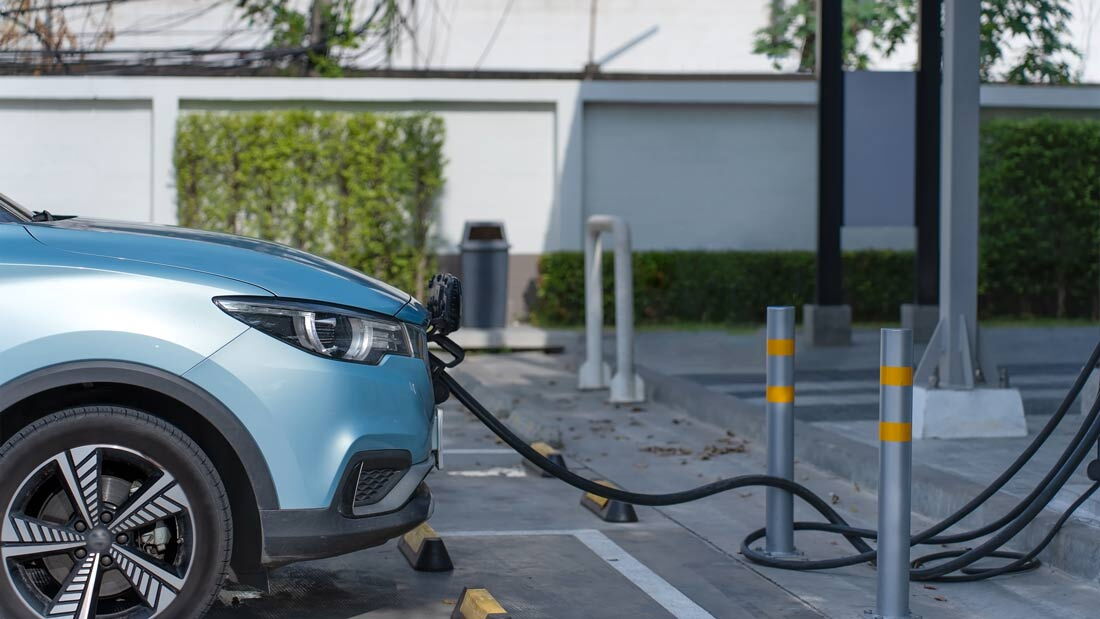
Electric vehicle adoption is accelerating across global markets. Governments are tightening emissions regulations, automakers are expanding EV model lineups, and consumers are increasingly motivated by fuel savings, environmental concerns, and long-term cost efficiency. However, one persistent barrier remains: access to convenient charging.
For most EV drivers, home charging is the cornerstone of daily usability. Being able to plug in overnight and wake up to a fully charged vehicle transforms the ownership experience. Without that convenience, drivers must rely on public charging networks, which can be inconsistent, crowded, or inconveniently located.
Apartment residents make up a significant portion of the population in urban and suburban areas. In many cities, more than 40% of households live in multi-family buildings. Without on-site charging, these residents face structural disadvantages in adopting EVs, potentially slowing broader electrification efforts.
Installing apartment EV charging stations bridges this gap. It empowers renters to choose electric vehicles confidently and allows property owners to future-proof their buildings in an increasingly electrified transportation ecosystem.
EV charging has become a highly desirable amenity. For prospective tenants who own or plan to purchase an electric vehicle, access to on-site charging can be a decisive factor in choosing where to live. Properties offering charging stations position themselves as forward-thinking, sustainable, and aligned with modern lifestyles.
In competitive rental markets, EV charging differentiates properties in the same way that gyms, coworking spaces, or smart home features once did. Over time, as EV ownership becomes more widespread, the absence of charging may be viewed as a deficiency rather than a neutral condition.
For existing tenants who transition to electric vehicles, the lack of charging infrastructure can become a point of frustration. Residents may move to buildings that offer better support for EV ownership, increasing turnover rates.
By installing charging stations, property managers demonstrate responsiveness to evolving tenant needs. Convenient charging contributes to overall satisfaction, encourages longer leases, and fosters a sense of community aligned with sustainability values.
Many property owners, developers, and real estate investment trusts (REITs) are now guided by environmental, social, and governance (ESG) objectives. EV charging directly supports emissions reduction and energy efficiency goals, contributing to corporate sustainability reporting and green building certifications.
In some regions, installing EV charging also helps properties qualify for incentives, rebates, or tax credits, reducing upfront investment costs while enhancing long-term environmental performance.
Apartment EV charging systems differ from single-family home chargers in both scale and complexity. They must accommodate multiple users, manage power distribution efficiently, ensure secure access, and integrate with billing or access control systems.
Level 1 charging uses a standard household outlet and delivers low power. While inexpensive, it is generally impractical for shared residential environments due to slow charging speeds and limited scalability. It may serve as a temporary or emergency solution but is rarely sufficient for long-term apartment deployment.
Level 2 chargers are the most common choice for apartment buildings. Operating on higher voltage, they provide significantly faster charging than standard outlets, making them suitable for overnight or extended parking periods. Level 2 systems can be installed in garages, carports, or outdoor parking areas and are well-suited for daily residential use.
These chargers are often networked, allowing property managers to monitor usage, manage access, and assign costs to individual users.
Direct current (DC) fast chargers deliver rapid charging, making them ideal for commercial corridors, fleet operations, or public charging hubs. In apartment settings, DC fast chargers are less common due to higher installation costs and power requirements. However, in high-density urban developments or mixed-use properties, they may serve as a shared amenity for quick top-ups.
Modern apartment EV charging relies on intelligent software platforms that manage load balancing, user authentication, billing, and energy optimization. These systems prevent electrical overloads by dynamically distributing available power among connected vehicles, ensuring safety and efficiency even when multiple chargers operate simultaneously.
Property managers can assign chargers to specific residents, use RFID cards or mobile apps for authentication, and track usage by individual vehicle or apartment unit. This ensures fair access and prevents unauthorized use.
One of the most important aspects of apartment EV charging is cost management. Smart systems allow property owners to bill residents for the electricity they consume, either through monthly statements, direct payment apps, or integration with rent invoices. This makes EV charging financially sustainable for property operators while maintaining transparency for tenants.
Apartment chargers must be robust, weather-resistant, and compliant with electrical safety standards. Outdoor installations require protection against rain, dust, and temperature extremes, while indoor units must integrate seamlessly with building electrical infrastructure.
Many older apartment buildings were not designed with EV charging in mind. Limited electrical capacity can restrict the number of chargers that can be installed without costly upgrades.
Load management technology provides a practical solution. By intelligently allocating power based on real-time demand, buildings can support more charging stations without expanding their electrical service. In some cases, energy storage systems or on-site renewable generation can further enhance capacity.
Upfront installation costs can be a barrier, particularly for smaller property owners. These costs include electrical upgrades, conduit installation, hardware procurement, and labor.
However, numerous financial incentives, grants, and utility programs exist to offset expenses. Additionally, phased installation strategies allow properties to start with a limited number of chargers and expand as demand grows.
Allocating dedicated EV charging spaces in crowded parking areas can be challenging. Property managers must balance fairness, accessibility, and future demand. Shared charging models, where multiple residents rotate access, are often more practical than assigning one charger per unit.
Local building codes, electrical standards, and permitting processes vary widely. Navigating compliance requirements can delay projects. Partnering with experienced EV charging providers helps ensure installations meet safety standards and proceed efficiently.
For residents, the most obvious benefit of apartment EV charging is convenience. Charging at home eliminates the need to seek out public stations, wait in line, or plan trips around charging availability. Vehicles can be plugged in overnight and be ready for daily use.
Home charging is typically more affordable than public fast charging. Tenants can take advantage of off-peak electricity rates, further reducing operating costs. Transparent billing systems ensure residents pay only for what they use.
Access to reliable home charging removes a major psychological barrier to adopting electric vehicles. Tenants who might otherwise hesitate to purchase an EV due to range anxiety or charging uncertainty gain confidence in making the transition.
Governments and utilities play a crucial role in accelerating apartment EV charging adoption. Many jurisdictions now require new multi-family developments to include EV-ready infrastructure, such as pre-installed conduits or dedicated electrical capacity.
In addition, financial incentives can significantly reduce installation costs. These may include:
- Utility rebates for EV charging equipment
- Government grants for multi-family housing projects
- Tax credits for energy-efficient upgrades
- Reduced permitting fees or expedited approvals
Such policies not only encourage property owners to invest in charging infrastructure but also ensure equitable access to EV charging for renters, who might otherwise be left behind in the electrification transition.
Apartment EV charging is not just about transportation—it is part of a larger transformation of energy systems. As buildings become smarter and more connected, EV chargers can integrate with building management systems, renewable energy sources, and energy storage technologies.
Some apartment complexes are pairing EV chargers with rooftop solar installations. This allows residents to charge their vehicles using clean, renewable energy, reducing both carbon emissions and electricity costs. Excess solar generation can be stored or redirected to chargers during peak production periods.
Smart charging systems can participate in demand response programs, adjusting charging rates based on grid conditions. During peak demand, charging can be slowed or staggered, reducing strain on the electrical grid and supporting overall energy reliability.
In the future, EVs may not only consume energy but also supply it back to buildings or the grid. Vehicle-to-grid technology enables parked vehicles to act as mobile energy storage units, providing backup power or supporting grid stability during high-demand periods. Apartment buildings equipped with advanced charging infrastructure will be well-positioned to adopt these innovations.
For developers planning new multi-family projects, incorporating EV charging from the design stage is both cost-effective and forward-looking. Installing conduits, electrical capacity, and designated parking spaces during construction is significantly cheaper than retrofitting an existing building.
EV-ready construction ensures compliance with evolving regulations, enhances the property’s sustainability profile, and appeals to environmentally conscious tenants. In competitive housing markets, such features can accelerate leasing and justify premium rents.
Charging technology continues to evolve, offering faster speeds, improved efficiency, and enhanced connectivity. Future apartment chargers will be more compact, more intelligent, and better integrated with digital property management platforms.
Industry standards are improving interoperability between chargers, software platforms, and vehicles. This will reduce vendor lock-in, simplify maintenance, and improve user experience across different properties.
Utilities, municipalities, and private developers are increasingly collaborating on multi-family charging projects. These partnerships combine public funding, technical expertise, and private sector efficiency to scale infrastructure more rapidly.
Rather than purchasing and managing charging equipment themselves, some property owners are adopting “charging as a service” models. In this approach, third-party providers install, operate, and maintain the equipment, while property owners offer charging as an amenity without large capital investment.
Apartment EV charging is no longer a niche offering—it is becoming a baseline expectation for modern multi-family housing. Properties that fail to adapt risk falling behind as EV adoption accelerates and tenant preferences evolve.
For property owners, investing in EV charging delivers tangible benefits: higher occupancy rates, stronger tenant loyalty, enhanced brand reputation, and alignment with sustainability objectives. For residents, it provides the convenience, affordability, and confidence needed to embrace electric mobility.
The transition to electric transportation is reshaping not only how people drive, but also how they live. Apartment EV charging stations stand at the intersection of housing, energy, and mobility, enabling millions of residents to participate in the clean energy future.
As technology advances, policies mature, and consumer demand grows, apartment buildings will increasingly serve as charging hubs that power daily life. Developers, property owners, and policymakers who invest today are not simply installing equipment—they are building the foundation for sustainable, connected, and resilient communities.
In the years ahead, apartment EV charging will no longer be viewed as an optional amenity. It will be recognized as essential infrastructure, supporting the widespread adoption of electric vehicles and helping cities achieve their environmental and economic goals. The future of mobility is electric, and for multi-family living, that future begins at home.
