How to Avoid EV Charger High Temperatures: Industry Insights and Best Practices
With the rapid adoption of electric vehicles (EVs) worldwide, ensuring safe and efficient charging infrastructure has become a top priority for manufacturers, operators, and end users alike. While EV charging technology has matured significantly over the past decade, high temperatures during charging remain a persistent challenge — one that can compromise safety, reduce equipment lifespan, and degrade user confidence. Understanding the causes of excessive heat and deploying effective mitigation strategies are critical as deployment scales across residential, commercial, and public charging networks.
In this extensive feature, we explore the root causes of EV charger temperature issues, unpack the risks, and detail practical solutions that industry stakeholders should implement to ensure robust, reliable charging operations.
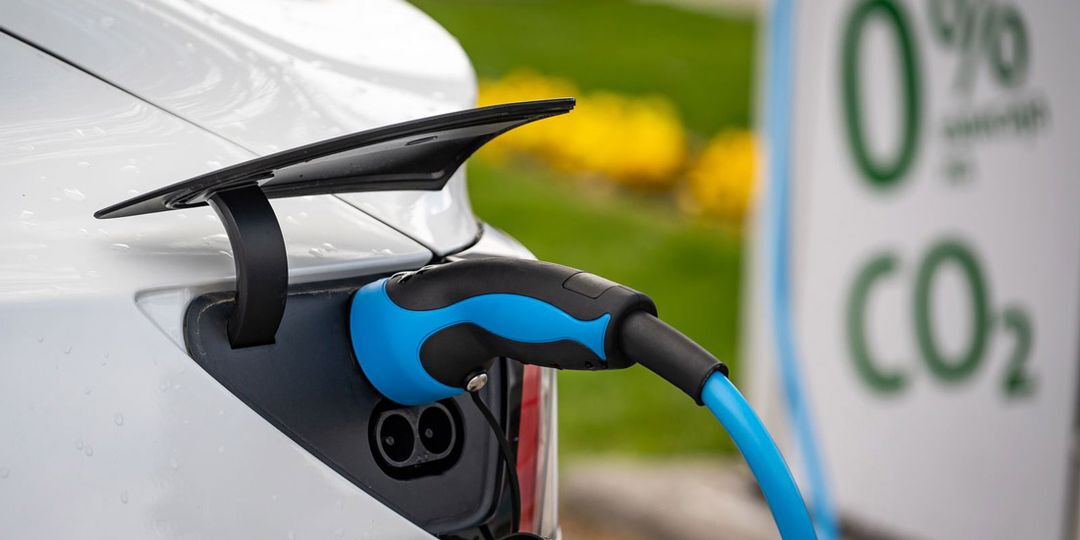
High temperatures in EV chargers are more than a comfort issue — they can lead to performance degradation, accelerated aging of electrical components, reduced charging efficiency, and in extreme cases, safety hazards including fire risk. Thermal stress inside charging units affects semiconductors, capacitors, connectors, and insulation materials. These components are especially vulnerable when continuously exposed to temperatures beyond design limits.
For fast chargers operating at high power (50 kW and above), heat generation is even more pronounced due to elevated current levels. Without proper design and thermal management, chargers can throttle charging speed, trigger safety shutdowns, or fail prematurely — all of which undermine user satisfaction and operational uptime.
Understanding the root causes is the first step toward mitigation. The key contributors include:
Every electrical system experiences losses — especially at high power. In EV chargers, these losses manifest as heat in:
- Power electronics (rectifiers, inverters, DC-DC converters)
- Transformers
- Switching components
Even with high-efficiency designs, some heat is inevitable. But poor design, substandard materials, or inadequate derating can amplify thermal buildup.
Thermal management is fundamental in power systems. Chargers that lack adequate heat sinks, thermal pathways, or airflow design are predisposed to hotspots.
Common design shortcomings include:
- Limited convection airflow within sealed enclosures
- Insufficient heatsink surface area
- Ineffective thermal interfaces between components and cooling paths
Temperature challenges are exacerbated in hot climates like the American Southwest or Middle East, where ambient temperatures regularly exceed 40°C (104°F). Direct sunlight and poorly ventilated installation locations further stress thermal systems.
Public fast chargers often serve many users in succession. The lack of cooling-off periods increases cumulative heat — especially when power demands are high.
Charging cables and connectors can also be significant heat sources. High contact resistance, damaged cable insulation, or poor-quality connectors cause localized heating — especially at high current levels.
The effects of overheating extend beyond the charger itself:
Repeated thermal cycling accelerates the aging of components. Capacitors dry out faster, semiconductor junctions degrade, and mechanical connectors can loosen with thermal expansion and contraction.
Heat equates to wasted energy. Higher temperatures reduce conversion efficiency, meaning more power is lost as heat rather than delivered to the vehicle battery.
Most chargers include over-temperature protection, but consistent operation near safety thresholds can increase the likelihood of protective shutdowns or — in rare cases — material failure.
Frequent slowdowns or shutdowns due to thermal issues frustrate drivers and decrease charger availability — particularly problematic in commercial and public charging networks.
Modern EV charger development must incorporate thermal modeling and simulation from the early design stages. Computational Fluid Dynamics (CFD) and Finite Element Analysis (FEA) tools allow engineers to visualize airflow, identify hotspots, and optimize component placement to minimize heat accumulation.
Key design strategies include:
- Separating high-heat components from thermally sensitive ones
- Integrating thermal pathways that lead heat toward external heatsinks
- Designing enclosures that support natural convection
In high-power systems, active cooling becomes critical. Liquid cooling or forced air systems with smart control can significantly enhance temperature management.
Choosing components with high efficiency and low power loss is fundamental. Power electronics should be optimized for minimal switching and conduction losses. Wide-bandgap semiconductors like SiC (Silicon Carbide) and GaN (Gallium Nitride) provide lower losses at high power levels and are increasingly favored in next-generation chargers.
Even in passive cooling systems, enclosure design should facilitate airflow:
- Use vents and louvers strategically placed to support natural convection
- Avoid blocking airflow paths with unnecessary internal structures
- Maintain space around the charger during installation for external airflow
In outdoor installations, consider shaded or covered placements to reduce solar heat gain, while ensuring ventilation remains unobstructed.
Integrate temperature sensors at critical points — including:
- Power electronics modules
- Transformer windings
- Connector interfaces
- Inside the enclosure
Modern chargers with IoT capabilities can transmit real-time temperature data to management platforms, enabling remote monitoring, early warning alerts, and predictive maintenance before a problem escalates.
Software plays a crucial role. Chargers should adopt dynamic power adjustment features that modulate output based on thermal conditions and grid demands.
When a charger detects rising temperatures, it can:
- Lower charging power temporarily
- Sequence loads in multi-port installations to spread heat generation
- Alert operators or enter safe mode before temperature thresholds are exceeded
Heat often originates at points of high resistance — typically connectors and cables. Procuring high-quality charging cables with appropriate cross-sectional area and low resistance reduces heat buildup.
Connector materials, plating, and mechanical design should support:
- Excellent electrical contact
- Minimal resistance growth over time
- Adequate mechanical durability to prevent wear-related heating
Routine inspection can also catch early signs of wear or damage that could lead to overheating.
Dust, debris, and corrosion impede heat dissipation. Regular maintenance includes:
- Cleaning vents and heatsinks
- Inspecting for dust buildup inside enclosures
- Replacing worn or damaged parts
- Verifying thermal compound condition at heatsinks
A proactive maintenance schedule not only improves thermal performance but extends overall system longevity.
For outdoor installations:
Avoid locations with direct sun exposure during hottest parts of the day
Provide shelter or shading structures where feasible
Allow sufficient airflow around the charger
For indoor or parking garage installations:
Ensure proper ventilation systems are in place
Integrate exhaust fans if natural ventilation is limited
A metropolitan fast charging hub experienced frequent derating and shutdowns during peak hours. Root cause analysis revealed that:
- Chargers were installed in a confined space with poor airflow
- Heat accumulated due to continuous usage
- Ambient temperatures inside the enclosure exceeded design limits
Solution Implemented:
Installation of forced air cooling units
Redesign of airflow paths within the enclosure
Real-time thermal monitoring added
Outcome:
Post-implementation, temperature excursions dropped significantly, charging uptime increased, and customer complaints decreased.
An airport operator deployed a cluster of Level 2 chargers in a parking structure. Solar heat gain through the concrete ceiling raised ambient temperatures dramatically during summer months.
Mitigation Measures:
Installation of shading canopies above charging stations
Addition of passive cooling panels
Environmental monitoring with alerts
Result:
Reduced internal charger temperatures and stabilized performance, even on the hottest days.
Liquid cooling is gaining traction, particularly for high-power DC fast chargers. Liquid-cooled power electronics outperform air-cooled systems in thermal removal efficiency, enabling higher power densities with consistent performance.
Artificial Intelligence (AI) and machine learning can optimize charger operation by predicting thermal buildup patterns based on usage history, weather data, and real-time sensor information.
Predictive algorithms enable preemptive power reduction or load shifting, maximizing performance without compromising safety.
Research into thermally conductive polymers, phase-change materials, and advanced heatsinks offers new ways to manage heat — potentially transforming future charger designs.
Smart grid integration allows chargers to align operation with grid conditions and ambient temperature forecasts. For example, during heat waves, chargers may temporarily defer high power sessions, balancing grid load and thermal risk.
Industry standards increasingly recognize thermal performance as a critical metric. Compliance with relevant standards like IEC 61851, SAE J1772, and UL 2202 involves thermal testing, temperature rise limits, and safety certifications.
Manufacturers must:
- Ensure thermal tests under real-world conditions
- Document cooling strategies and safety protocols
- Provide clear warnings and guidance to installers
To protect your charging assets and ensure optimal user experience:
Audit Existing Sites for Thermal Risks
Identify locations prone to heat buildup
Implement monitoring where absent
Upgrade Firmware and Controls
Adopt chargers with intelligent thermal protection
Use analytics dashboards for remote oversight
Plan for Environmental Extremes
Use climate data in site planning
Integrate shading and ventilation early
Educate Installation and Maintenance Crews
Ensure technicians understand thermal management
Train teams to spot early warning signs
While most thermal strategies fall to manufacturers and operators, drivers can also play a role:
- Avoid charging during peak heat if possible
- Park in shaded areas for outdoor chargers
- Report visible cable or charger heating to facility operators
- Follow on-screen charger guidance — warnings are often based on real-time thermal protection
As electrified transportation continues its global ascent, robust thermal management in EV charging infrastructure has become a defining factor for performance, safety, and reliability. From advanced design and material selection to intelligent software controls and proactive maintenance, a multi-layered strategy is essential to prevent high temperatures.
With industry collaboration, adherence to best practices, and a focus on innovation, thermal challenges can be effectively managed — enabling charging networks that are resilient, efficient, and ready for the demands of a decarbonized future.