
From Parking Spaces to Energy Hubs: The Rise of EV Charging in Parking Facilities
As electric vehicles (EVs) continue their rapid ascent in global transportation, the demand for reliable, accessible, and efficient charging infrastructure has never been higher. One of the most important frontiers in this transition is the integration of EV charging stations into parking facilities — from commercial lots and multi-story garages to workplaces and automated parking systems. This article explores why parking facilities are becoming pivotal in the EV revolution, the benefits and challenges of installation, the latest innovations, economic and policy drivers, and what the future holds for this rapidly evolving segment of the clean energy economy.
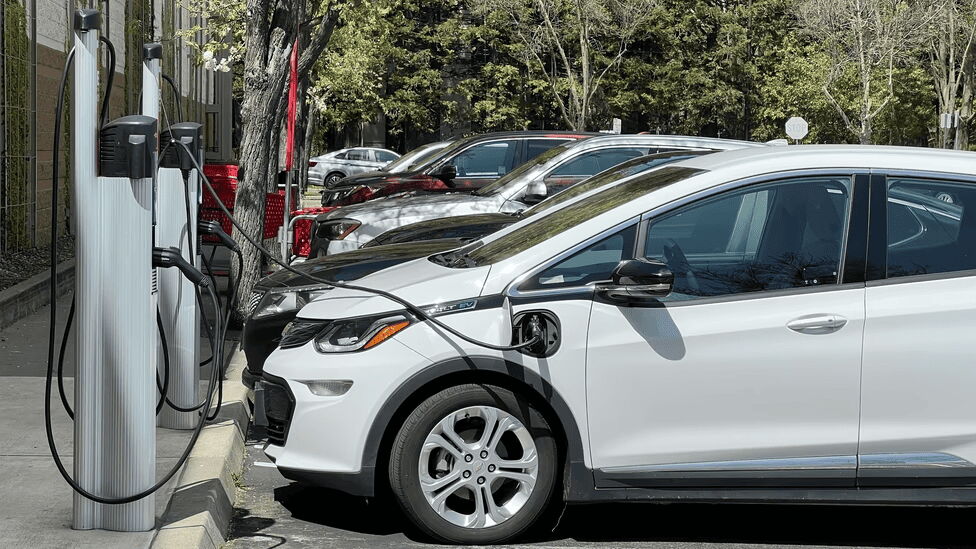
Electric vehicles have shifted from niche products to mainstream mobility solutions. Sales continue to grow, driven by environmental concerns, technological advances, and supportive government policies around the world. The transition toward EVs promises significant environmental benefits, such as reduced greenhouse gas emissions, improved urban air quality, and decreased reliance on fossil fuels. However, to maintain this momentum, charging infrastructure must grow in both scale and quality.
Parking facilities are uniquely positioned to play a central role in this transition. Today's drivers expect charging to be as convenient and ubiquitous as gasoline stations — and parking lots can deliver on that expectation. Unlike traditional gas stations, which require stop-and-go locations, EV charging can happen while vehicles are parked for hours or even overnight — such as at workplaces, shopping centers, residential complexes, and airports. This latent opportunity is reshaping how cities, developers, and facility owners view parking facilities.
Parking facilities already serve millions of drivers every day. Integrating EV charging into these locations offers several compelling advantages:
EV charging in parking facilities directly supports the reduction of greenhouse gas emissions by enabling more drivers to adopt electric vehicles. Because EVs produce zero tailpipe emissions, their widespread use can dramatically cut urban air pollution and contribute to climate goals. Charging stations powered by renewable energy — such as solar canopies over parking lots — further enhance these benefits by reducing the carbon footprint associated with electricity generation.
Drivers value convenience. The ability to charge while shopping, working, or living — rather than making a dedicated trip to a charging destination — increases the utility of owning an EV. Parking facilities thus become “charging destinations” where drivers can plug in while going about their daily routines. This aligns with research indicating that drivers prefer EV chargers located near amenities such as restrooms, shops, and travel routes, increasing both usage and satisfaction.
The availability of charging infrastructure is among the biggest barriers to EV ownership. Studies show that a lack of charging options — especially in urban and multi-family residential settings — can deter potential buyers. By equipping parking facilities with chargers, municipalities and private developers can reduce “range anxiety” (fear of running out of power), making electric vehicles a more attractive option for consumers.
For businesses, property owners, and municipalities, EV charging infrastructure is not just a convenience — it's a revenue generator. Charging stations can offer usage fees, attract new customers to retail locations, and increase property value. Smart charging stations can also generate data insights and enable dynamic pricing models to optimize profitability.
Not all chargers are created equal. Parking facility operators must consider multiple technologies that cater to different use cases:
Level 2 chargers are the most common choice for parking facilities due to their balance of cost and performance. They use alternating current (AC) to deliver power and typically provide a full charge over several hours — perfect for locations where vehicles park for extended periods (like workplaces or mall lots). Level 2 chargers are generally more affordable to install than fast chargers and are highly compatible with most EV models.
Direct current (DC) fast chargers offer significantly higher power and faster charging times — often adding 80% charge in 20–30 minutes. While more expensive to install and operate, DC fast chargers are ideal for high-traffic public parking lots, transit hubs, and highway rest stops where drivers need quick turnaround.
Emerging technologies such as wireless charging systems — where EVs are charged without cables using electromagnetic fields — are being piloted in automated parking facilities. Companies like Charging Robotics are at the forefront, installing solutions that integrate wireless chargers with robotic parking systems, optimizing charging based on departure times and energy availability. These innovations reduce physical interaction and improve convenience in dense urban environments where traditional plug-in methods are impractical.
Smart charging integrates digital software that communicates with chargers and vehicles, optimizing charging schedules to avoid peak electricity demand, reduce costs, and enhance grid stability. These systems can provide real-time data to both operators and users, enabling features such as reservation systems, dynamic pricing, and energy load management.
Workplace charging is emerging as a significant draw for employees, especially in tech- and sustainability-focused regions. Plaza garages and corporate lots equipped with EV chargers become employee perks that can boost retention and satisfaction. Moreover, real-world research indicates that optimizing charging schedules at workplaces can reduce electricity costs while helping EV owners fully charge by the end of the workday.
Retail centers that install chargers — particularly DC fast charging units — create “dwell time” where customers spend more time in stores and restaurants while their vehicles charge. Case in point: major retailers like Walmart are rolling out high-power 400 kW fast chargers across dozens of parking lots, creating a powerful incentive for EV drivers to shop while charging.
Apartments and condominiums are increasingly integrating EV charging infrastructure into resident parking areas. Forward-thinking developments are even planning for 100% EV-ready parking, anticipating future adoption. This not only meets current demand but also enhances long-term property value and competitiveness in the housing market.
Airports and transit hubs carry unique needs: long-term parking where vehicles may be left for days. Solar carport projects with integrated charging — like the ongoing initiative at MBS International Airport — are transforming rental car zones into green energy hubs, combining renewable generation with EV charging accessibility.
With compelling benefits come economic costs and policy frameworks that shape deployment.
Installing EV charging infrastructure involves several cost components:
- Equipment Costs: Chargers can range from a few thousand dollars for basic Level 2 units to tens of thousands for high-power DC fast chargers.
- Installation Labor and Wiring: Electrical upgrades, trenching, and labor can significantly affect budgets. In some cases, existing lighting circuits can be adapted to reduce costs.
- Operational Expenses: Ongoing costs include electricity, maintenance, and software fees.
Governments worldwide are offering incentives — such as federal tax credits, state rebates, and clean energy grants — to offset these costs and accelerate deployment. For example, in the United States, federal programs under initiatives like the Inflation Reduction Act can cover up to 30% of installation costs for commercial charging projects.
Building codes and regulations increasingly mandate EV-ready infrastructure — especially in new construction. Provisions such as ADA compliance, electrical service upgrades, and safety standards must all be considered during planning. Retrofitting existing facilities can be significantly more expensive than incorporating EV infrastructure during initial construction.
Parking facility operators are experimenting with various pricing models, including:
- Pay-per-use energy fees
- Hourly charging rates
- Subscription or membership programs
- Tiered pricing based on charging speed
Innovative pricing strategies can help manage demand, reduce congestion at chargers, and enhance profitability, while ensuring equitable access for users.
Urban areas often face capacity constraints. Upgrading electrical panels, transformers, and distribution systems can be expensive and time-consuming. Parking structures — especially underground garages — pose additional challenges due to ventilation needs and physical layout restrictions.
Charging stations can become congested if demand outpaces supply. Without proper planning, drivers may find charging spots occupied, leading to frustration and reduced utility of the investment. Smart queuing systems and reservation platforms are essential to address these challenges.
Different EV models may require different charging standards (such as CCS, NACS, or legacy connectors). While industry standards are converging, facility operators must ensure compatibility to serve a broad range of vehicles.
Occasionally, infrastructure projects face public resistance — for example, concerns over safety or traffic when installing charging stations near sensitive areas. Engagement with community stakeholders and transparent planning can help address these issues.
Across the U.S. and globally, real-world deployments illustrate growing adoption:
- University Parking Garages: At the University of Texas' Manor Garage, usage of charging stations increased steadily over six months following installation, prompting plans for expansion across more campus garages.
- Retail Rollouts: National retailers are investing in charging infrastructure to attract customers while supporting EV adoption.
- Airport Charging Hubs: Major airports like MBS International are integrating solar power with EV infrastructure, creating a blueprint for sustainable airport parking solutions.
Wireless charging, particularly in automated parking facilities, promises a cable-free future. Technologies that integrate machine learning to optimize charging schedules and prioritize based on departure times are being piloted, offering smarter and more convenient solutions.
Advanced networked charging enables real-time load management, dynamic pricing, and interaction with the electric grid. These systems can reduce peak demand costs, enhance reliability, and integrate renewable energy sources.
Emerging paradigms such as vehicle-to-grid (V2G) allow EVs to feed energy back into the grid during peak demand periods, turning parked vehicles into distributed energy resources. While still nascent, V2G could transform parking facilities into active participants in grid balancing.
The landscape of EV charging in parking facilities is rapidly evolving. As EV adoption accelerates, parking facilities will increasingly serve as hubs of clean energy, mobility, and urban design innovation. Key future trends include:
- Every Parking Spot Equipped: Forward-thinking developments are already planning for EV-ready parking in residential and commercial projects.
- Data-Driven Charging Deployment: Using usage analytics to optimize charger placement, pricing, and capacity planning will become standard practice.
- Greater Policy Support: Continued incentives and building code updates will accelerate adoption, particularly in urban centers and transit corridors.
- Integration with Renewable Energy: Solar canopies and on-site energy storage will further reduce emissions and enhance resilience.
Electric vehicle charging infrastructure in parking facilities represents a cornerstone of the clean mobility transition. By leveraging existing parking assets — from garages and lots to automated systems — cities and businesses can deliver convenient, sustainable charging while unlocking economic value. As technology advances, regulatory frameworks evolve, and consumer preferences shift toward electrification, parking facilities will stand at the crossroads of mobility, sustainability, and innovation. The journey toward electrified transportation is well underway, and integrated charging infrastructure in parking facilities will play a defining role in shaping that future.
